






Pallid Bat
antrozous pallidus
The Pallid Bat has soft, pale fur and big ears that help it hear tiny sounds. These bats are great at catching insects in the dark with their amazing flying skills!
Hábitat: Deserts, rocky areas, and sometimes near forests.
The Pallid Bat has strikingly large ears and soft, pale yellowish-brown fur, making it blend into desert environments. Its wings are a darker brown, contrasting with its light body. It features a broad snout and small eyes, giving it a unique facial appearance.
Categoría
MamíferosRareza
Common
Peligro
0/5 · Sin peligro conocido
Snaps
¡Sé la primera persona en hacer un snap!
Pallid Bats often share their roosts with other bat species in caves.
Their huge ears can be almost as long as their entire body!
They famously snack on venomous scorpions, immune to their painful sting!
This bat doesn't use echolocation to find its main meals on the ground!
Pallid Bats can pinpoint ground-crawling prey using super-sensitive hearing because of their huge ears that help them hunt silently.
Pallid Bats have a special immunity to scorpion and centipede venom that helps them eat dangerous prey without harm.
Pallid Bats can walk and even run on the ground because of their strong hind legs that help them capture prey on foot.
These bats feast on creepy crawlies like scorpions and crickets, often hunting them right on the ground.
Hadrurus arizonensis
A primary prey item in its desert habitat.
Stagmomantis californica
Eats this ground-dwelling insect.
Bubo virginianus
A nocturnal predator that hunts bats.
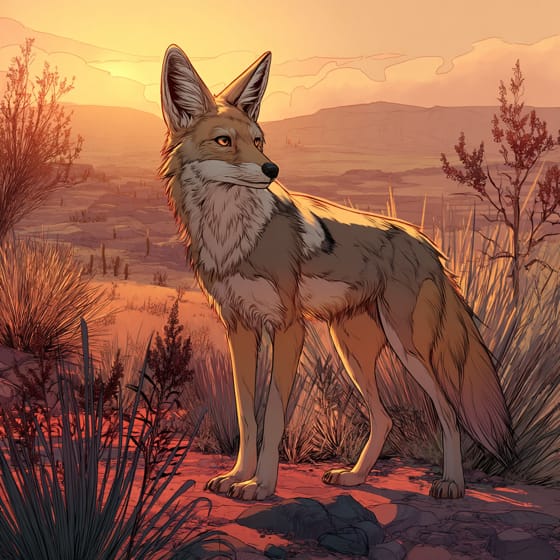
Canis latrans
Preys on bats, especially near roosts.
Prosopis glandulosa
Roosts in cavities in these trees.
Peludo describe a los animales que poseen una cubierta densa de pelo o pelaje suave.
Los animales solitarios viven solos durante la mayor parte de su vida y solo interactúan con otros para aparearse o cuidar de sus crías.
Los hábitats boscosos son entornos terrestres dominados por una densa cubierta arbórea, que sustentan una gran diversidad de vida animal y vegetal.
Este rasgo identifica a los organismos cuya dieta consiste total o principalmente en tejido animal.

Los animales nocturnos están principalmente activos durante la noche, y suelen descansar o dormir durante el día.
Peligro
0/5 · Sin peligro conocido
Todavía no hay notas especiales de seguridad.
6-8 cm
35-40 cm
0.017-0.028 kg
8-12 años
30 km/h
These bats feast on creepy crawlies like scorpions and crickets, often hunting them right on the ground.
Deserts, rocky areas, and sometimes near forests.
Foraging
Acércate para separar los grupos y explorar dónde se ha fotografiado este objeto.
Los snaps recientes aparecerán aquí a medida que se añadan nuevas observaciones.

















