



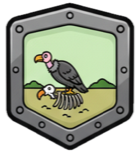


Palm-nut Vulture
Gypohierax angolensis
The Palm-nut Vulture is a special bird that loves to eat palm nuts! It has a unique look with a big beak and fluffy feathers. These birds are often seen soaring high in the sky.
Hábitat: Coastal areas
The Palm-nut Vulture has a striking appearance with its mostly white body and bold black flight feathers on its wings and tail. It features a bright, bare orange-red face and a sturdy yellow beak, making it look very different from most other vultures.
Categoría
AvesRareza
Common
Peligro
1/5 · Muy bajo
Snaps
¡Sé la primera persona en hacer un snap!
It uses its strong, hooked beak to pluck oil palm fruits directly from trees.
These vultures sometimes build enormous nests, measuring over a meter wide, high in palm trees.
Unlike other vultures, its diet is mostly vegetarian, focusing on oil palm fruits!
Young Palm-nut Vultures are brown and don't get their white adult feathers until years later.
Palm-nut Vulture can eat tough oil palm fruit because of its unique digestive system, helping it thrive where other vultures cannot.
Palm-nut Vulture can actively catch fish and crabs from water, an unusual skill for a vulture, helping it find diverse food.
Palm-nut Vulture has broad, strong wings that help it soar effortlessly for hours, allowing it to scan vast areas for food.
Unlike most vultures, this unique bird primarily eats oil palm fruit, fish, and crabs!
Elaeis guineensis
Their primary food source is the fruit of this tree.
Oreochromis niloticus
They actively catch and eat various fish species.
Cardisoma armatum
They frequently prey on crabs found in coastal areas.
Describe a los animales, principalmente aves, que poseen una cubierta de plumas.
Los animales sociales viven en grupos organizados, cooperando para obtener beneficios de supervivencia como la búsqueda de alimento, la defensa y la cría de descendencia.
Los carroñeros consumen materia orgánica muerta, ayudando a descomponer los cadáveres y otros desechos en el ecosistema.
Este rasgo caracteriza a los organismos cuya dieta consiste total o principalmente en material vegetal.

Los animales planeadores se mueven por el aire lanzándose y manteniendo el vuelo con estructuras corporales especializadas, sin batir las alas.

Los hábitats costeros son entornos dinámicos situados a lo largo de la interfaz entre la tierra y el mar, influenciados por las mareas, las olas y el agua salada.

Los animales diurnos están activos principalmente durante el día y suelen descansar o dormir por la noche.

Describe una especie cuya presencia y papel tienen un efecto desproporcionadamente grande en su entorno.
Todavía no hay alias listados.
Peligro
1/5 · Muy bajo
Always watch birds from a distance and never try to touch them.
45-60 cm
130-150 cm
1.3-1.7 kg
15-30 años
60 km/h
Unlike most vultures, this unique bird primarily eats oil palm fruit, fish, and crabs!
Coastal areas
Foraging
Acércate para separar los grupos y explorar dónde se ha fotografiado este objeto.
Los snaps recientes aparecerán aquí a medida que se añadan nuevas observaciones.













.jpg&width=800)

