
.jpg&width=800)





Palm Warbler
Setophaga palmarum
The Palm Warbler is a small, cheerful bird that loves to hop around on the ground. With its bright yellow belly and cute little tail, it’s a fun sight to see in gardens and parks!
Hábitat: Wetlands
The Palm Warbler is a small songbird with brownish-olive upperparts and pale yellow underparts streaked with brown. Its most distinguishing features are its bright yellow undertail coverts and a rich chestnut cap on breeding males, making it stand out visually.
Categoría
AvesRareza
Common
Peligro
1/5 · Muy bajo
Snaps
¡Sé la primera persona en hacer un snap!
Palm Warblers are champion tail-waggers, constantly bobbing their tails up and down!
Some Palm Warblers travel over 3,000 miles from chilly Canada to warm Caribbean beaches!
They often nest directly on the ground, cleverly hidden among moss and grass!
This warbler got its name because it was first spotted in a palm grove!
Palm Warbler can travel thousands of kilometers because of its strong wings and efficient flight, helping it find food in different climates.
Palm Warbler has a slender, pointed bill that helps it skillfully pluck insects from leaves and air, ensuring a rich diet.
Palm Warbler can switch its diet from insects to berries because of its flexible foraging strategy, helping it survive seasonal food changes.
This energetic bird enjoys a meal of insects, especially during breeding, and tasty berries in winter.

Accipiter striatus
A small raptor that preys on songbirds like the warbler.
Thamnophis sirtalis
Ground-nesting birds and their young can be vulnerable.
Culex pipiens
Eats various insect species, including mosquitoes, for protein.
Vaccinium corymbosum
Consumes berries, especially during migration and winter.
Describe a los animales, principalmente aves, que poseen una cubierta de plumas.
Los animales sociales viven en grupos organizados, cooperando para obtener beneficios de supervivencia como la búsqueda de alimento, la defensa y la cría de descendencia.
Los animales cantores producen vocalizaciones complejas, a menudo con el propósito de atraer parejas, defender el territorio o comunicarse dentro de su especie.
Colorido describe a organismos u objetos que exhiben una amplia variedad de colores brillantes y distintivos.

Este rasgo identifica a los organismos cuya dieta consiste principalmente en insectos y otros pequeños invertebrados.

Este rasgo de hábitat identifica especies que se encuentran en humedales, que son áreas de tierra saturadas de agua, ya sea permanente o estacionalmente, e incluyen marismas, pantanos y ciénagas.

Los animales diurnos están activos principalmente durante el día y suelen descansar o dormir por la noche.

Los animales migratorios emprenden movimientos estacionales de una región a otra, típicamente en respuesta a cambios en el clima o la disponibilidad de alimentos.
Todavía no hay alias listados.
Peligro
1/5 · Muy bajo
Always watch birds from a distance and don’t try to touch them.
12-14 cm
20-23 cm
0.009-0.015 kg
2-5 años
35 km/h
This energetic bird enjoys a meal of insects, especially during breeding, and tasty berries in winter.
Wetlands
Foraging
Acércate para separar los grupos y explorar dónde se ha fotografiado este objeto.
Los snaps recientes aparecerán aquí a medida que se añadan nuevas observaciones.

Illinois, US
Puedes ver Pato Joyuyo, Tordo Sargento y Pato.
Ver guía →
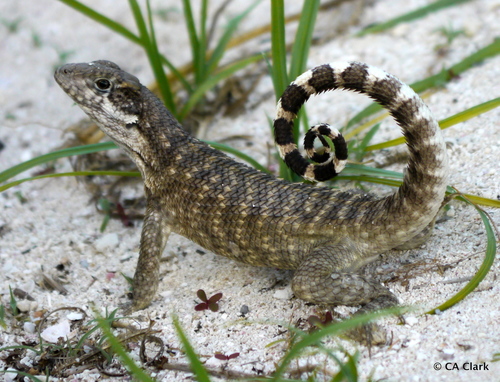
Florida, US
Puedes ver Northern Curly-Tailed Lizard, Iguana Verde y Triangle Cactus.
Ver guía →
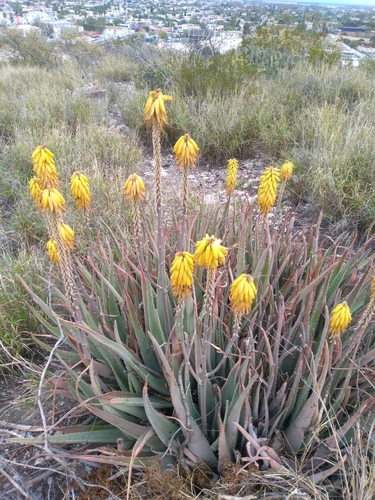
Florida, US
Puedes ver Sábila, Taiwanese Rain Tree y Spineless Yucca.
Ver guía →

New York, US
Puedes ver Common Mugwort, White Snakeroot y Common Eastern Bumble Bee.
Ver guía →
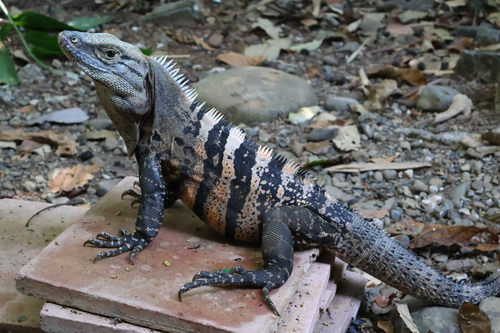
Florida, US
Puedes ver Black Spiny-Tailed Iguana, Anolis Castaño y Sea Grape.
Ver guía →
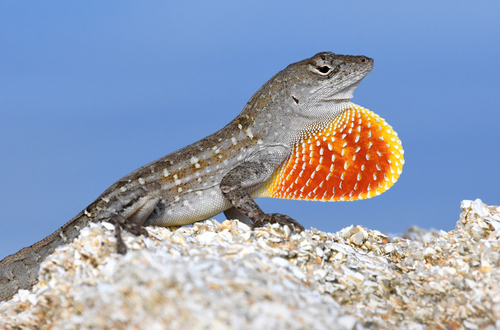
Florida, US
Puedes ver Anolis Castaño, Southern Live Oak y Resurrection Fern.
Ver guía →













