





Panorpa
Panorpa
Las Panorpa, también conocidas como moscas escorpión, son insectos fascinantes con cuerpos largos y alas únicas. A menudo parecen tener la cola de un escorpión, pero son inofensivas y les encanta volar en jardines y bosques.
Hábitat: Bosques
La Panorpa es un insecto esbelto con cuatro alas claras y membranosas, a menudo moteadas con manchas oscuras. Los machos poseen de forma única un segmento genital agrandado y rojizo curvado hacia arriba como la cola de un escorpión, aunque es inofensivo. Tienen un rostro distintivo que apunta hacia abajo, lo que hace que su cabeza parezca alargada.
Categoría
InsectosRareza
Common
Peligro
1/5 · Muy bajo
Snaps
¡Sé la primera persona en hacer un snap!
Los machos a menudo luchan entre sí para ganar los mejores lugares de apareamiento o regalos de comida.
¡Las moscas escorpión han estado volando desde la era de los dinosaurios!
¡Sus larvas parecen pequeñas orugas parecidas a gusanos que viven completamente bajo tierra!
Actúan como los equipos de limpieza de la naturaleza, comiendo insectos muertos en los bosques.
Estos insectos son carroñeros y depredadores, alimentándose de insectos muertos y a veces frescos.
Diferencias por edad: Las larvas se alimentan principalmente de materia orgánica en descomposición en el suelo, mientras que los adultos tienen una dieta más amplia.
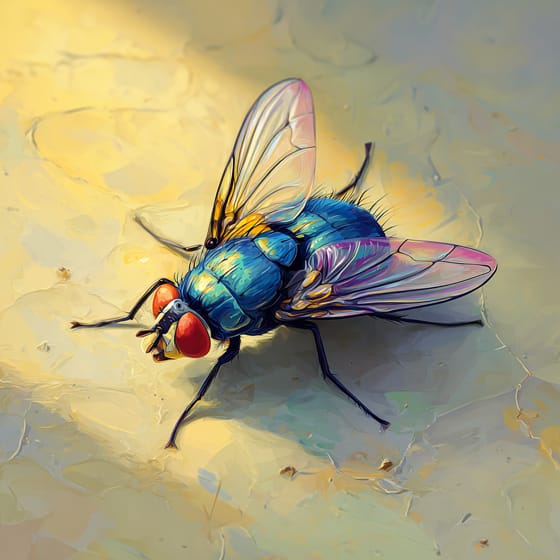
Musca domestica
Las Panorpa a menudo carroñean moscas domésticas muertas.
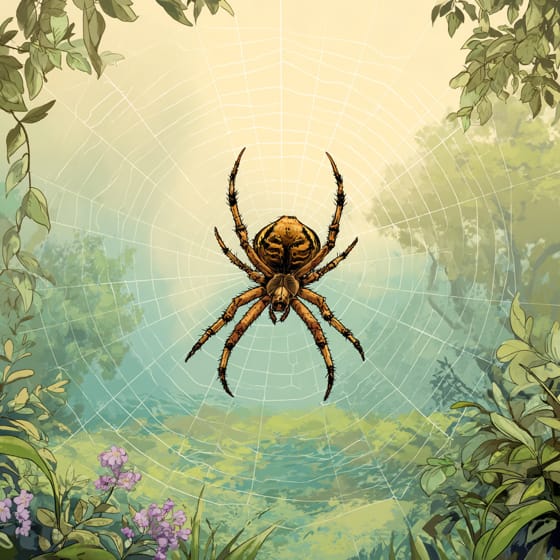
Araneus diadematus
Las arañas con frecuencia atrapan Panorpa adultas en sus telarañas.
%2C_Parc_de_Woluw%C3%A9%2C_Brussels_(13042792905).jpg&width=800)
Parus major
Aves forestales, como los carboneros comunes, depredan a las moscas escorpión.
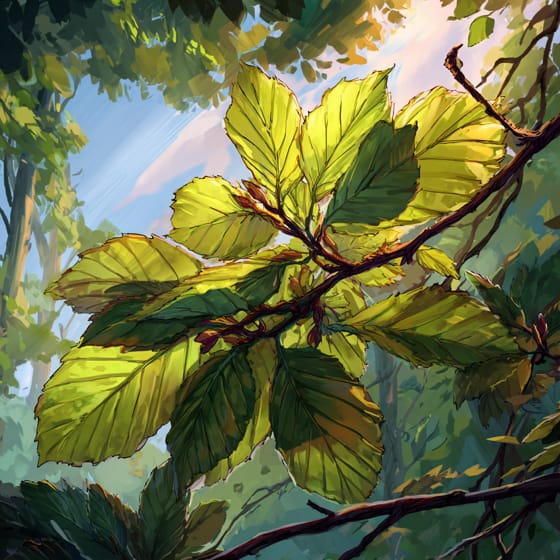
Fagus sylvatica
Las Panorpa prosperan en bosques con una rica hojarasca de árboles como las hayas.
Los animales solitarios viven solos durante la mayor parte de su vida y solo interactúan con otros para aparearse o cuidar de sus crías.
Colorido describe a organismos u objetos que exhiben una amplia variedad de colores brillantes y distintivos.
Este rasgo caracteriza a los organismos cuya dieta consiste total o principalmente en material vegetal.
Describe plantas que son particularmente atractivas y beneficiosas para una amplia variedad de organismos polinizadores.

Los hábitats boscosos son entornos terrestres dominados por una densa cubierta arbórea, que sustentan una gran diversidad de vida animal y vegetal.

Los animales diurnos están activos principalmente durante el día y suelen descansar o dormir por la noche.

Describe organismos que transfieren polen, permitiendo la fertilización y reproducción de las plantas.
Peligro
1/5 · Muy bajo
Las Panorpa son seguras de observar, pero siempre observe a los insectos desde la distancia.
La forma más fácil de identificar a Panorpa es usar la aplicación de identificación de naturaleza Snappit.
25-35 mm
15-25 mm
30-60 días
Estos insectos son carroñeros y depredadores, alimentándose de insectos muertos y a veces frescos.
Bosques
Carroñeo
6
Acércate para separar los grupos y explorar dónde se ha fotografiado este objeto.
Los snaps recientes aparecerán aquí a medida que se añadan nuevas observaciones.
Llévate el descubrimiento
Haz una foto con Snappit, identifica la especie y guarda el hallazgo en tu colección.







.jpg&width=800)


