


Panurginus polytrichus
Panurginus polytrichus
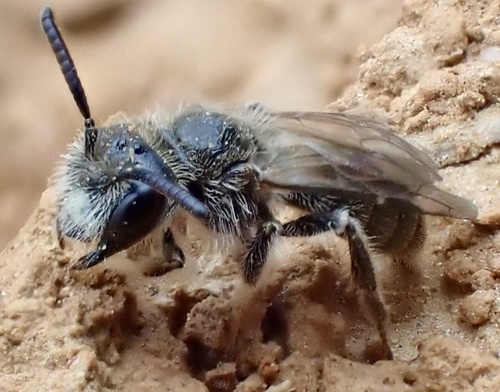
La Panurginus polytrichus es una abeja pequeña y peluda a la que le encanta visitar flores. Son excelentes ayudantes para el crecimiento de las plantas, ya que esparcen el polen mientras recolectan néctar.
Hábitat: Pastizales
La Panurginus polytrichus es una abeja minera pequeña de cuerpo oscuro con una apariencia notablemente peluda. Su tórax y abdomen están cubiertos de densos pelos pálidos, lo que la hace parecer bastante esponjosa. Los machos pueden lucir marcas amarillas distintivas en sus caras.
Categoría
InsectosRareza
Común
Peligro
2/5 · Bajo
Snaps
¡Sé la primera persona en hacer un snap!
Cada pequeña abeja bebé recibe una bola especial de polen y néctar para alimentarse.
Las Panurginus polytrichus prefieren lugares soleados y arenosos para excavar sus nidos.
¡Sus cuerpos peludos actúan como imanes, recogiendo polen mientras vuelan!
¡Guau! Estas abejas son solitarias, lo que significa que cada hembra construye su propio nido.
La Panurginus polytrichus tiene pelos densos que le ayudan a recolectar polen de las flores de manera eficiente, como una cesta viviente.
La Panurginus polytrichus puede excavar intrincadas madrigueras gracias a sus fuertes patas, creando nidos subterráneos seguros para sus crías.
La Panurginus polytrichus puede detectar flores específicas gracias a una visión especial que detecta guías de néctar y patrones ultravioleta.
¡Estas abejas peludas sorben néctar dulce para obtener energía y recolectan polen rico en proteínas para alimentar a sus crías en crecimiento!
Diferencias por edad: Las larvas consumen una pasta de polen y néctar provista por la madre; los adultos se alimentan directamente de néctar y polen.

Taraxacum officinale
Visita flores para recolectar néctar y polen.
Leucanthemum vulgare
Un polinizador importante para estas flores comunes de pradera.
Philanthus triangulum
Avispa depredadora que captura abejas para alimentar a sus larvas.
Araneus diadematus
Atrapada en telarañas mientras forrajea néctar.
Peludo describe a los animales que poseen una cubierta densa de pelo o pelaje suave.
Los animales sociales viven en grupos organizados, cooperando para obtener beneficios de supervivencia como la búsqueda de alimento, la defensa y la cría de descendencia.
Este rasgo caracteriza a los organismos cuya dieta consiste total o principalmente en material vegetal.
Describe plantas que son particularmente atractivas y beneficiosas para una amplia variedad de organismos polinizadores.
Los hábitats de pastizales son biomas terrestres dominados por pastos y plantas herbáceas, que sustentan a una variedad de animales de pastoreo.
Los animales diurnos están activos principalmente durante el día y suelen descansar o dormir por la noche.
Describe una especie cuya presencia y papel tienen un efecto desproporcionadamente grande en su entorno.
Describe organismos que transfieren polen, permitiendo la fertilización y reproducción de las plantas.
Todavía no hay alias listados.
Peligro
2/5 · Bajo
Sé amable y obsérvalas desde la distancia cuando veas abejas. Son amigables, pero pueden picar si se asustan.
Busca seis patas, antenas, tres secciones en el cuerpo y la forma de las alas. Los escarabajos tienen las alas delanteras endurecidas; las moscas solo tienen un par que funciona. Los insectos diminutos pueden necesitar un primer plano antes de que se vea su grupo. Identificador de insectos: sube una foto y compara los detalles visibles.
8-15 mm
4-8 mm
20-40 días
15 km/h
¡Estas abejas peludas sorben néctar dulce para obtener energía y recolectan polen rico en proteínas para alimentar a sus crías en crecimiento!
Pastizales
Forrajeo
Acércate para separar los grupos y explorar dónde se ha fotografiado este objeto.
Los snaps recientes aparecerán aquí a medida que se añadan nuevas observaciones.
Llévate el descubrimiento
Haz una foto con Snappit, identifica la especie y guarda el hallazgo en tu colección.