.jpg&width=800)





Panurginus Potentillae
panurginus potentillae
El Panurginus Potentillae es una diminuta abeja a la que le encanta visitar flores. ¡Son súper importantes para ayudar a las plantas a crecer esparciendo polen!
Hábitat: Prados, jardines y áreas con muchas plantas con flores.
El Panurginus Potentillae es una abeja pequeña y esbelta, principalmente negra con pelos pálidos y dispersos cubriendo su tórax. Los machos se distinguen por marcas amarillas en sus caras. Las hembras tienen parches peludos especializados en sus patas traseras para recolectar polen.
Categoría
InsectosRareza
Common
Peligro
0/5 · Sin peligro conocido
Snaps
¡Sé la primera persona en hacer un snap!
Las crías de Panurginus Potentillae crecen solas en sus propias cámaras subterráneas privadas.
Cada hembra de Panurginus Potentillae construye su propio nido, convirtiéndola en una verdadera abeja independiente.
¡A estas abejas a menudo se les llama 'abejas mineras' porque cavan sus hogares bajo tierra!
Son súper quisquillosos para comer, a menudo visitan solo flores de cinquefoil amarillo para sus comidas.
El Panurginus Potentillae puede transferir polen entre flores debido a sus cuerpos peludos, lo que ayuda a las plantas a producir semillas.
El Panurginus Potentillae puede cavar túneles intrincados en el suelo gracias a sus fuertes patas, lo que les ayuda a construir nidos seguros.
El Panurginus Potentillae tiene pelos especializados en sus patas que les ayudan a recolectar y transportar polen eficientemente de regreso a sus nidos.
Diminutas abejas que beben néctar para obtener energía y recolectan polen para sus crías.
Diferencias por edad: Las larvas comen polen y néctar almacenados por su madre; los adultos buscan alimento fresco.

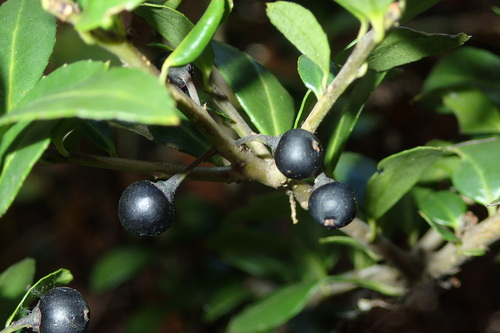
Potentilla reptans
Transfiere polen mientras se alimenta.
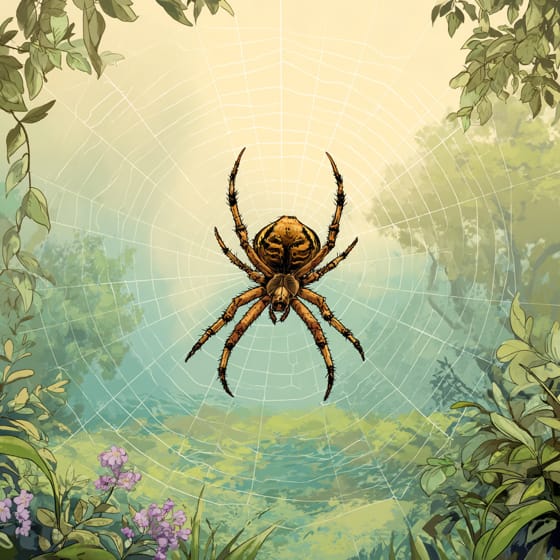
Araneus diadematus
Atrapado en telarañas.
Sphecodes albilabris
Pone huevos en sus nidos.
Los animales solitarios viven solos durante la mayor parte de su vida y solo interactúan con otros para aparearse o cuidar de sus crías.
Colorido describe a organismos u objetos que exhiben una amplia variedad de colores brillantes y distintivos.
Este rasgo caracteriza a los organismos cuya dieta consiste total o principalmente en material vegetal.
Los animales diurnos están activos principalmente durante el día y suelen descansar o dormir por la noche.

Describe organismos que transfieren polen, permitiendo la fertilización y reproducción de las plantas.
Peligro
0/5 · Sin peligro conocido
Todavía no hay notas especiales de seguridad.
La forma más fácil de identificar a Panurginus Potentillae es usar la aplicación de identificación de naturaleza Snappit.
10-16 mm
5-8 mm
20-40 días
12 km/h
Diminutas abejas que beben néctar para obtener energía y recolectan polen para sus crías.
Prados, jardines y áreas con muchas plantas con flores.
Forrajeo
Acércate para separar los grupos y explorar dónde se ha fotografiado este objeto.
Los snaps recientes aparecerán aquí a medida que se añadan nuevas observaciones.
Llévate el descubrimiento
Haz una foto con Snappit, identifica la especie y guarda el hallazgo en tu colección.







.jpg&width=800)



