






Paper mulberry
Broussonetia papyrifera
The paper mulberry tree is a tall tree with big, heart-shaped leaves. It's known for its soft bark that can be used to make paper and other crafts. This tree is fun to explore and can grow in many places!
Hábitat: Urban areas
The Paper mulberry has large, variable leaves, often lobed or heart-shaped, with a fuzzy texture and bright green color. Its bark is smooth, pale gray-brown, developing shallow fissures with age. In summer, it produces distinctive red-orange, spherical fruits that resemble spiky gumdrops.
Categoría
PlantasRareza
Common
Peligro
1/5 · Muy bajo
Snaps
¡Sé la primera persona en hacer un snap!
Before paper, ancient people used its bark to make super strong clothes and even currency!
Its leaves can come in many different shapes on the *same* tree, like a magic shapeshifter!
The Paper mulberry makes a sweet, juicy fruit that looks like a spiky red lollipop!
This tough tree is one of the fastest growing in the world, sometimes over 3 meters in a year!
Paper mulberry can quickly grow and spread, colonizing new areas rapidly thanks to its aggressive root system and ability to sprout easily from cuttings.
Paper mulberry has a remarkable ability to thrive in poor soils and disturbed sites, acting as a pioneer species that helps other plants grow later.
Paper mulberry can produce strong, fibrous bark that humans have used for millennia to make durable paper and textiles.
Bombyx mori
Larvae feed on the leaves.
Sturnus vulgaris
Disperses seeds after eating the fruit.
Macaca mulatta
Macaques consume the fruits.
Las plantas caducifolias pierden periódicamente todas sus hojas, por lo general durante el otoño o las estaciones secas.
Las plantas con flores son cualquier planta que produce flores como parte de su ciclo reproductivo.
Las plantas tolerantes a la sombra están adaptadas para crecer y prosperar en áreas con bajos niveles de luz, requiriendo menos luz solar directa.
Los árboles de hoja ancha son angiospermas caracterizadas por hojas planas y anchas que típicamente se caen anualmente en climas templados.

Esta característica de uso humano identifica especies que producen fibras naturales, utilizadas por los humanos para textiles, cuerdas, papel y otros bienes manufacturados.

Las plantas de crecimiento rápido exhiben tasas de crecimiento aceleradas, aumentando rápidamente de tamaño y biomasa en un corto período de tiempo.

Esta característica de hábitat indica especies que pueden coexistir con los humanos en entornos urbanos y suburbanos, utilizando estructuras artificiales y espacios verdes.
Todavía no hay alias listados.
Peligro
1/5 · Muy bajo
Be careful not to climb too high in trees, and always ask an adult for help.
500-2000 cm
300-1000 cm
1-8 cm
Spring to early Summer
Sí
Ninguna
Perenne
Viento
Acércate para separar los grupos y explorar dónde se ha fotografiado este objeto.
Los snaps recientes aparecerán aquí a medida que se añadan nuevas observaciones.
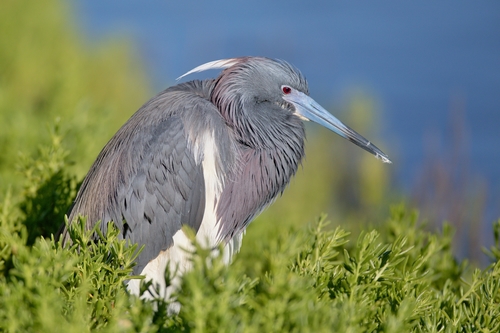
Florida, US
Puedes ver Tricolored Heron, Roseate Spoonbill y Wood Stork.
Ver guía →

Mississippi, US
Puedes ver Prairie Nymph, Slender Vervain y Whitemouth Dayflower.
Ver guía →



















