





Paracorymbia maculicornis
Paracorymbia maculicornis
El Paracorymbia maculicornis es un tipo especial de escarabajo con hermosos patrones en su cuerpo. A estos escarabajos les encanta esconderse en los árboles y se les da muy bien camuflarse con su entorno.
Hábitat: Bosques
El Paracorymbia maculicornis es un escarabajo longicornio alargado, generalmente de color marrón oscuro a negro, con élitros de color marrón rojizo que a menudo presentan una franja central más oscura. Su característica más distintiva son sus antenas, que tienen marcadas bandas con segmentos negros y amarillos o pálidos, lo que les da un aspecto 'manchado'.
Categoría
InsectosRareza
Common
Peligro
1/5 · Muy bajo
Snaps
¡Sé la primera persona en hacer un snap!
¡Sus larvas pasan años masticando madera muerta escondidas dentro de los árboles!
¡Las antenas del escarabajo adulto pueden ser más largas que todo su cuerpo!
¡Sufren una increíble transformación de larvas comedoras de madera a escarabajos voladores!
¡Este escarabajo ayuda a limpiar los bosques descomponiendo los árboles viejos y caídos!
Paracorymbia maculicornis tiene antenas anilladas increíblemente largas que le ayudan a encontrar pareja y madera adecuada para poner sus huevos.
Las larvas de Paracorymbia maculicornis tienen mandíbulas poderosas para masticar madera dura en descomposición, creando túneles.
Paracorymbia maculicornis puede emprender el vuelo rápidamente con sus alas para escapar de los de predadores o encontrar nuevas fuentes de alimento.
Las larvas comen madera muerta, mientras que los adultos liban el dulce néctar de las flores y el polen.
Diferencias por edad: Las larvas son xilófagas y se alimentan de madera dura en descomposición. Los adultos se alimentan de polen y néctar de las flores.
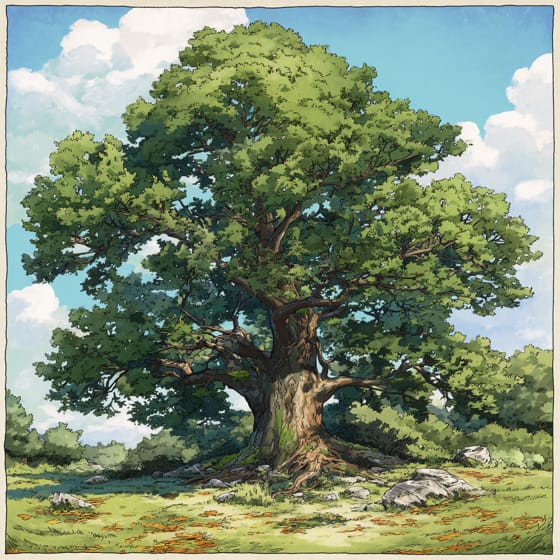
Quercus robur
Las larvas cavan túneles en su madera muerta.
Fagus sylvatica
Las larvas se alimentan de su madera en descomposición.
%2C_Parc_de_Woluw%C3%A9%2C_Brussels_(13042792905).jpg&width=800)
Parus major
Las aves pueden cazar a los escarabajos adultos.
Marcado con manchas o parches de un color diferente.
Los animales solitarios viven solos durante la mayor parte de su vida y solo interactúan con otros para aparearse o cuidar de sus crías.
El camuflaje describe a los organismos que poseen colores o patrones que les permiten mezclarse con su entorno.
Este rasgo caracteriza a los organismos cuya dieta consiste total o principalmente en material vegetal.

Los hábitats boscosos son entornos terrestres dominados por una densa cubierta arbórea, que sustentan una gran diversidad de vida animal y vegetal.

Describe a los organismos que descomponen la materia orgánica muerta, reciclando los nutrientes de vuelta al ecosistema.

Describe una especie cuya presencia y papel tienen un efecto desproporcionadamente grande en su entorno.

Los animales nocturnos están principalmente activos durante la noche, y suelen descansar o dormir durante el día.

Describe organismos que transfieren polen, permitiendo la fertilización y reproducción de las plantas.
Todavía no hay alias listados.
Peligro
1/5 · Muy bajo
Es mejor observar a los escarabajos desde la distancia para mantenerlos a salvo.
La forma más fácil de identificar a Paracorymbia maculicornis es usar la aplicación de identificación de naturaleza Snappit.
20-30 mm
10-16 mm
30-60 días
8 km/h
Las larvas comen madera muerta, mientras que los adultos liban el dulce néctar de las flores y el polen.
Bosques
Forrajeo
Acércate para separar los grupos y explorar dónde se ha fotografiado este objeto.
Los snaps recientes aparecerán aquí a medida que se añadan nuevas observaciones.
Llévate el descubrimiento
Haz una foto con Snappit, identifica la especie y guarda el hallazgo en tu colección.








.jpg&width=800)


