




Paradoxosomatinae
paradoxosomatinae
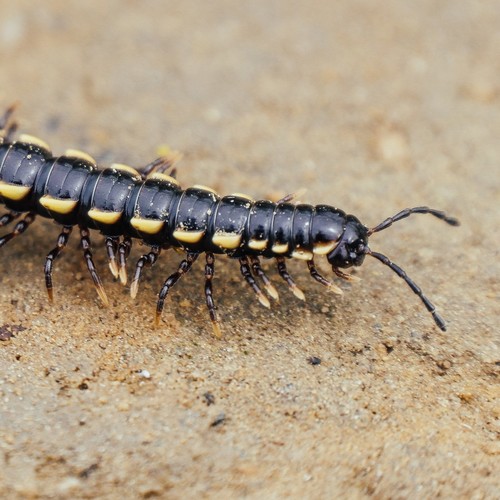
Paradoxosomatinae es una subfamilia diversa y extendida de milpiés, perteneciente al orden Polydesmida. Estos fascinantes artrópodos son descomponedores cruciales en los ecosistemas terrestres, desempeñando un papel vital en el ciclo de nutrientes al descomponer la materia orgánica muerta. A menudo pasados por alto debido a su naturaleza críptica, representan un componente significativo de las comunidades de invertebrados del suelo en varios biomas. Sus cuerpos segmentados y coloraciones a menudo sutiles disimulan una vida compleja adaptada a ambientes húmedos y oscuros, lo que los convierte en sujetos intrigantes para una observación más cercana.
Hábitat: Se encuentran predominantemente en ambientes húmedos y oscuros ricos en materia orgánica en descomposición, como hojarasca, debajo de troncos, piedras y dentro de las capas del suelo.
Los milpiés Paradoxosomatinae suelen exhibir una forma corporal aplanada o subcilíndrica, caracterizada por numerosos segmentos, generalmente de 18 a 20. Su coloración comúnmente incluye tonos de marrón, negro o marrón rojizo, a veces con quillas (paranota laterales) más claras contrastantes a lo largo de los lados, que pueden ser amarillentas o anaranjadas. Los tamaños generalmente varían de 1 a 5 centímetros de longitud, con un exoesqueleto liso y a menudo brillante. Carecen de alas y se mueven con un característico movimiento ondulatorio de sus muchas patas.
Categoría
AnimalRareza
Común
Peligro
1/5 · Muy bajo
Snaps
¡Sé la primera persona en hacer un snap!
A pesar de su nombre "milpiés" (que significa "mil pies"), ninguna especie conocida tiene en realidad 1,000 patas; los Paradoxosomatinae típicamente tienen alrededor de 36-40 segmentos, cada uno con dos pares de patas.
Algunas especies dentro de esta subfamilia pueden liberar un líquido acre y de sabor amargo de las glándulas a lo largo de su cuerpo cuando se les molesta, actuando como un eficaz disuasivo contra los depredadores.
Sus cuerpos segmentados están altamente adaptados para abrirse paso a través del suelo y la hojarasca, con un exoesqueleto fuerte y flexible que les proporciona protección.
Son "ingenieros" críticos del suelo, ayudando a airearlo y a descomponer la materia orgánica en partículas más pequeñas, haciendo que los nutrientes estén disponibles para las plantas.
Los milpiés Paradoxosomatinae se alimentan principalmente de materia vegetal en descomposición, hongos y los microorganismos asociados que se encuentran en su hábitat. Desempeñan un papel crucial en la descomposición de la materia orgánica.
Fungi
Consume materia orgánica en descomposición, incluyendo hifas y esporas de hongos.
Staphylinidae
Depredadores que se alimentan de milpiés, a menudo encontrados en los mismos microhábitats.
Plant detritus
Depende de la disponibilidad de hojas caídas y otros desechos vegetales como fuente de alimento y refugio.
Various Passeriformes
Estos milpiés son depredados por varias aves insectívoras.
Los animales solitarios viven solos durante la mayor parte de su vida y solo interactúan con otros para aparearse o cuidar de sus crías.
Este rasgo caracteriza a los organismos cuya dieta consiste total o principalmente en material vegetal.
Los hábitats boscosos son entornos terrestres dominados por una densa cubierta arbórea, que sustentan una gran diversidad de vida animal y vegetal.
Describe a los organismos que descomponen la materia orgánica muerta, reciclando los nutrientes de vuelta al ecosistema.
Los animales nocturnos están principalmente activos durante la noche, y suelen descansar o dormir durante el día.
Todavía no hay alias listados.
Las colecciones para este objeto aparecerán aquí a medida que se añadan más temas.
Peligro
1/5 · Muy bajo
Todavía no hay notas especiales de seguridad.
Empieza por la forma del cuerpo, las patas o aletas, el pelo, las plumas o las escamas y las marcas más llamativas. Después valora el tamaño, el hábitat y el lugar donde lo viste. Las crías y los pelajes de temporada pueden verse muy distintos de los adultos que conoces. Identificador de animales: sube una foto y compara los detalles visibles.
1-5 cm
0.001-0.005 kg
2-5 años
Los milpiés Paradoxosomatinae se alimentan principalmente de materia vegetal en descomposición, hongos y los microorganismos asociados que se encuentran en su hábitat. Desempeñan un papel crucial en la descomposición de la materia orgánica.
Se encuentran predominantemente en ambientes húmedos y oscuros ricos en materia orgánica en descomposición, como hojarasca, debajo de troncos, piedras y dentro de las capas del suelo.
Forrajeo
20-100
Acércate para separar los grupos y explorar dónde se ha fotografiado este objeto.
Los snaps recientes aparecerán aquí a medida que se añadan nuevas observaciones.
Llévate el descubrimiento
Haz una foto con Snappit, identifica la especie y guarda el hallazgo en tu colección.