






parsnipflower buckwheat
Eriogonum heracleoides
Parsnipflower buckwheat is a lovely flower that grows in the wild. It has small, white flowers that look like tiny stars and can be found in sunny places.
Hábitat: Grasslands
The parsnipflower buckwheat is a low-growing plant with woolly, grey-green leaves often clustered at the base. Its creamy to yellow flowers grow in dense, umbrella-shaped clusters atop upright stems, making it quite distinctive in dry, open habitats.
Categoría
PlantasRareza
Common
Peligro
1/5 · Muy bajo
Snaps
¡Sé la primera persona en hacer un snap!
Indigenous peoples sometimes used parts of related buckwheat plants for traditional medicines.
It's a favorite snack for deer, who munch on its leaves and stems in the wild!
Its scientific name, *Eriogonum*, means 'woolly knee,' referring to the fuzzy joints on some species.
Many tiny flowers gather together to form one big, showy bloom, attracting lots of bees!
Parsnipflower buckwheat has fuzzy leaves and a deep taproot that help it store water and survive in very dry, rocky places.
This plant can grow directly in bright sunlight, even reflecting some rays with its light-colored, woolly leaves to stay cool.
Apis mellifera
Gathers nectar and pollen from its tiny flowers.
Bombus bifarius
An important native pollinator in its range.
Odocoileus hemionus
Grazes on its leaves, especially when other food is scarce.
Las plantas con flores son cualquier planta que produce flores como parte de su ciclo reproductivo.
Las flores en racimo son inflorescencias donde las flores individuales están dispuestas muy juntas en un tallo común.
Las plantas de floración de verano producen sus flores durante la temporada estival, a menudo aportando un color vibrante cuando muchas otras plantas ya han terminado de florecer.
Las plantas tolerantes a la sequía pueden sobrevivir y florecer en condiciones de escasa disponibilidad de agua.

Las plantas comestibles son aquellas partes de una planta que se consideran seguras para el consumo humano.

Describe plantas que son particularmente atractivas y beneficiosas para una amplia variedad de organismos polinizadores.

Los hábitats de pastizales son biomas terrestres dominados por pastos y plantas herbáceas, que sustentan a una variedad de animales de pastoreo.
Todavía no hay alias listados.
Peligro
1/5 · Muy bajo
Always look but don't touch wild flowers, as some can be harmful.
15-60 cm
30-90 cm
0.2-0.5 cm
Late spring to late summer
No
Ninguna
Perenne
Insectos
Acércate para separar los grupos y explorar dónde se ha fotografiado este objeto.
Los snaps recientes aparecerán aquí a medida que se añadan nuevas observaciones.

British Columbia, CA
Puedes ver Yellow-Bellied Marmot, Rubber Rabbitbrush y Siberian Elm.
Ver guía →
British Columbia, CA
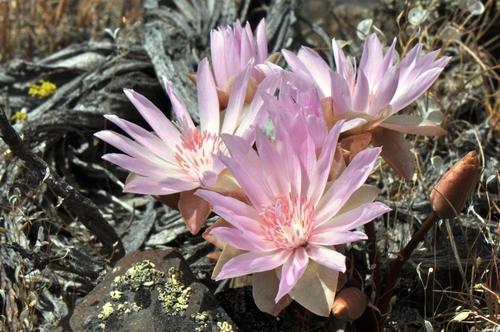
Puedes ver Bitterroot, Arrowleaf Balsamroot y Western Stoneseed.
Ver guía →
British Columbia, CA
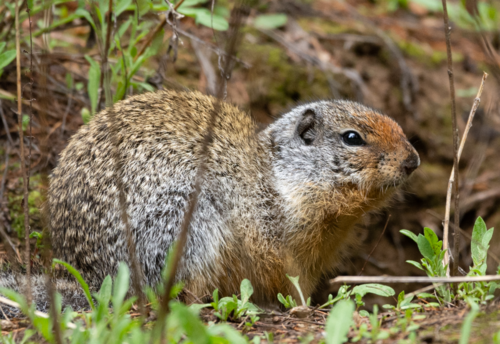
Puedes ver Columbian Ground Squirrel y Spotted Knapweed.
Ver guía →
British Columbia, CA
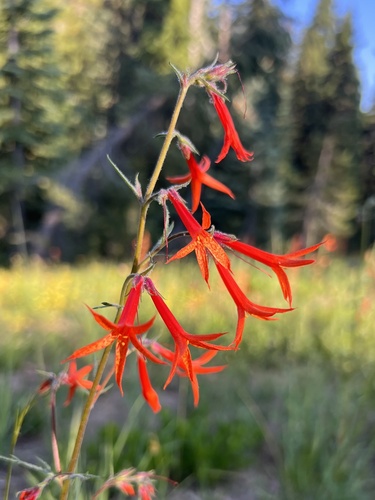
Puedes ver Scarlet Gilia, Great Blanketflower y Solomon's Plume.
Ver guía →

















