.jpg&width=800)





partridgeberry
Mitchella repens
Partridgeberry is a small, creeping plant with shiny green leaves and pretty red berries. It grows close to the ground and loves shady spots in the forest.
Hábitat: Forests
The partridgeberry is a low-growing, creeping evergreen vine with small, round, glossy dark green leaves. It produces tiny, fragrant white flowers that appear in pairs, followed by bright scarlet red berries that often last through winter.
Categoría
PlantasRareza
Common
Peligro
1/5 · Muy bajo
Snaps
¡Sé la primera persona en hacer un snap!
Each partridgeberry is actually made from two tiny flowers that fused together!
Its scientific name, *Mitchella repens*, means it 'creeps' like a little explorer.
Native Americans used partridgeberry to make medicines for various ailments.
The berries often stay on the plant all winter, looking like tiny red ornaments!
Partridgeberry's bright red berries can stay on the plant all winter, helping birds find food when other sources are scarce.
This plant has two tiny flowers joined at the base, which allows for special cross-pollination to make extra-strong seeds.
Partridgeberry spreads across the ground, forming a dense mat that helps it survive harsh weather and strong winds.
Bombycilla cedrorum
eats its persistent berries
Apis mellifera
collects nectar from flowers
Odocoileus virginianus
browses its evergreen leaves
Las plantas tolerantes a la sombra están adaptadas para crecer y prosperar en áreas con bajos niveles de luz, requiriendo menos luz solar directa.
Las plantas de hoja perenne conservan su follaje durante todo el año, sin perder nunca todas sus hojas a la vez.
Las plantas frutales producen frutos, que son los ovarios maduros de las plantas con flores que contienen semillas.
Los colores otoñales se refieren al cambio estacional en la pigmentación del follaje, principalmente en plantas de hoja caduca, mostrando tonos vibrantes.

Las plantas comestibles son aquellas partes de una planta que se consideran seguras para el consumo humano.

Las plantas de crecimiento rápido exhiben tasas de crecimiento aceleradas, aumentando rápidamente de tamaño y biomasa en un corto período de tiempo.

Los hábitats boscosos son entornos terrestres dominados por una densa cubierta arbórea, que sustentan una gran diversidad de vida animal y vegetal.
Todavía no hay alias listados.
Peligro
1/5 · Muy bajo
Always look but don't eat wild berries unless a grown-up says it's safe.
2-5 cm
15-60 cm
0.5-1 cm
Late spring to early summer
Sí
Ninguna
Perenne
Insectos
Acércate para separar los grupos y explorar dónde se ha fotografiado este objeto.
Los snaps recientes aparecerán aquí a medida que se añadan nuevas observaciones.
.jpg)
Virginia, US
Puedes ver Garza Azulada, Fan Clubmoss y Barnacla Canadiense.
Ver guía →
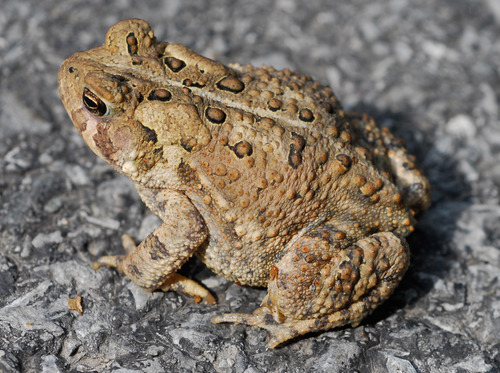
Virginia, US
Puedes ver Sapo Americano, Liquidámbar Americano y Partridgeberry.
Ver guía →
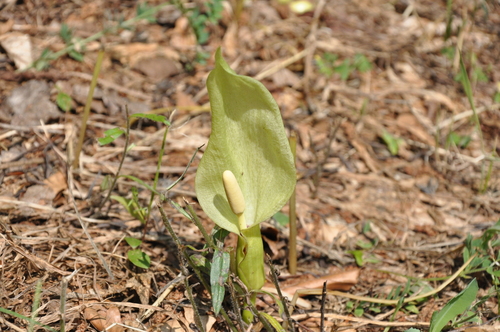
Virginia, US
Puedes ver Italian Arum, Common Mugwort y Japanese Barberry.
Ver guía →
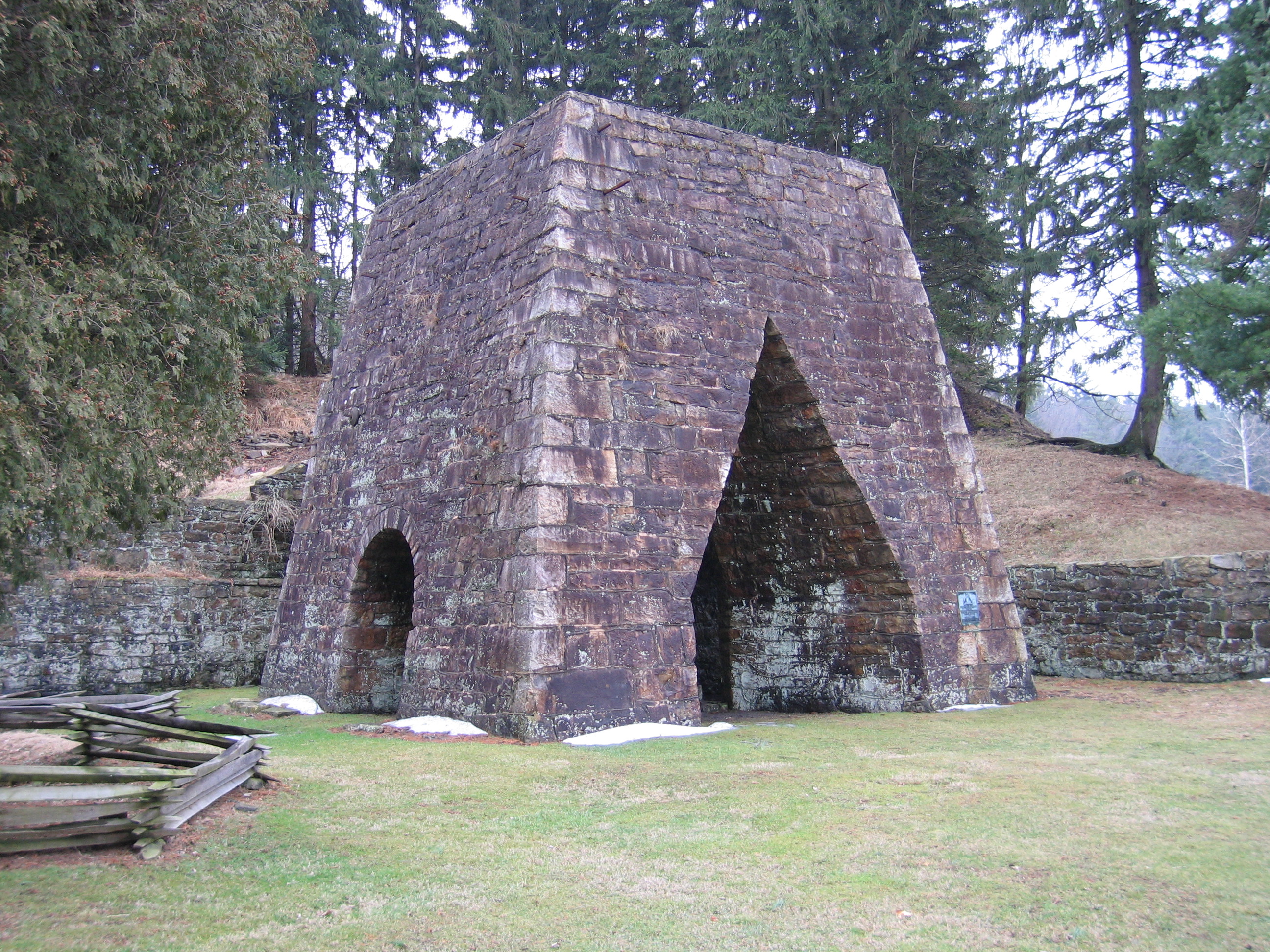
Pennsylvania, US
Puedes ver Rana Toro Americana, Allegheny Monkeyflower y Partridgeberry.
Ver guía →

Pennsylvania, US
Puedes ver Hemlock Varnish Shelf, Laurel De Montaña y Cinnamon Fern.
Ver guía →

Wisconsin, US
Puedes ver Partridgeberry, Bluebead Lily y Cinnamon Fern.
Ver guía →