






Patagonian Mara
Dolichotis patagonum
The Patagonian Mara is a cute, rabbit-like animal with long legs and big ears. They love to hop around in the grasslands of South America and are very social, often seen in pairs or small groups.
Hábitat: Grasslands
The Patagonian Mara is a large rodent, resembling a mix between a rabbit and a small deer. It has long, slender legs, large ears, and a short tail. Its fur is greyish-brown on top, with a white belly and distinctive orange patches on its flanks.
Categoría
MamíferosRareza
Common
Peligro
1/5 · Muy bajo
Snaps
¡Sé la primera persona en hacer un snap!
Baby maras are born with open eyes and can run within hours!
Mara pairs often share nurseries, taking turns guarding their young!
Maras often stand on their hind legs to get a better view of their surroundings!
They are monogamous, meaning they mate for life, which is rare for rodents!
Patagonian Maras have powerful hind legs that allow them to run at high speeds, helping them escape from dangers quickly.
Patagonian Maras can make impressive high leaps that help them spot predators over tall vegetation in their flat habitat.
Patagonian Maras can dig burrows or use abandoned ones, which helps them create safe shelters for raising their young.
Patagonian Maras re-ingest their own droppings to extract maximum nutrients, making sure they don't waste any food energy.
They are herbivores that eat mostly grasses and other plant material from the dry plains.
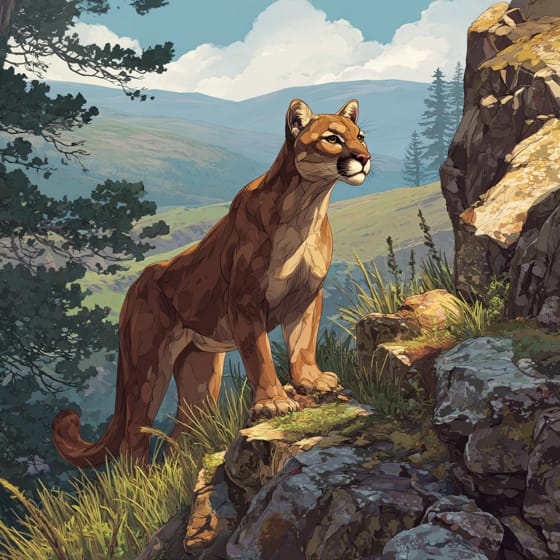
Puma concolor
A primary predator in its natural range.
Lycalopex griseus
Often preys on mara young and smaller individuals.
Stipa ichu
A common grass grazed by maras for sustenance.
Opuntia ficus-indica
Consumes its pads and fruits for water and nutrients.
Peludo describe a los animales que poseen una cubierta densa de pelo o pelaje suave.
Los animales sociales viven en grupos organizados, cooperando para obtener beneficios de supervivencia como la búsqueda de alimento, la defensa y la cría de descendencia.
Este rasgo caracteriza a los organismos cuya dieta consiste total o principalmente en material vegetal.
Los hábitats de pastizales son biomas terrestres dominados por pastos y plantas herbáceas, que sustentan a una variedad de animales de pastoreo.

Los animales diurnos están activos principalmente durante el día y suelen descansar o dormir por la noche.

Este rasgo identifica a los organismos que exhiben una rapidez excepcional en sus movimientos para cazar, escapar o desplazarse.
Todavía no hay alias listados.
Peligro
1/5 · Muy bajo
Always watch from a distance and don't try to touch wild animals.
69-75 cm
8-16 kg
7-10 años
45 km/h
They are herbivores that eat mostly grasses and other plant material from the dry plains.
Grasslands
Grazing
1-3
Acércate para separar los grupos y explorar dónde se ha fotografiado este objeto.
Los snaps recientes aparecerán aquí a medida que se añadan nuevas observaciones.

New York, US
Puedes ver Common Ostrich, Equus Africanus Asinus y Serval.
Ver guía →

Florida, US
Puedes ver Dragón De Komodo, Ocelote y Puma.
Ver guía →

California, US
Puedes ver Yellow-Footed Tortoise, Ajolote y Panda Rojo.
Ver guía →














