






pelagic thresher
Alopias pelagicus
The pelagic thresher is a sleek and speedy fish known for its long tail. It swims in the open ocean and uses its tail to catch fish by stunning them. These fish are fascinating and can be quite playful!
Hábitat: Open ocean
The pelagic thresher has a sleek, torpedo-shaped body with a metallic blue-grey back and clean white belly. Its most distinctive feature is its incredibly long, whip-like upper tail fin lobe, often half its total body length.
Categoría
PecesRareza
Common
Peligro
3/5 · Moderado
Snaps
¡Sé la primera persona en hacer un snap!
Its tail can be longer than its entire body, like a superhero's cape!
Pelagic threshers love to travel far, swimming across vast ocean distances.
These sharks often swim near the surface, enjoying the sunny top waters.
They use their mighty tails to smack prey, making fishing super exciting to watch!
Pelagic threshers can stun prey with their extra-long tail because they use it like a whip to disorient fish schools.
Pelagic threshers can leap clear of the water, which helps them shed parasites or communicate with others.
They are skilled hunters that mainly eat schooling fish and squid, using their amazing tail!
Sardinops sagax
Main food source in many regions.
Scomber japonicus
Common prey item for these sharks.
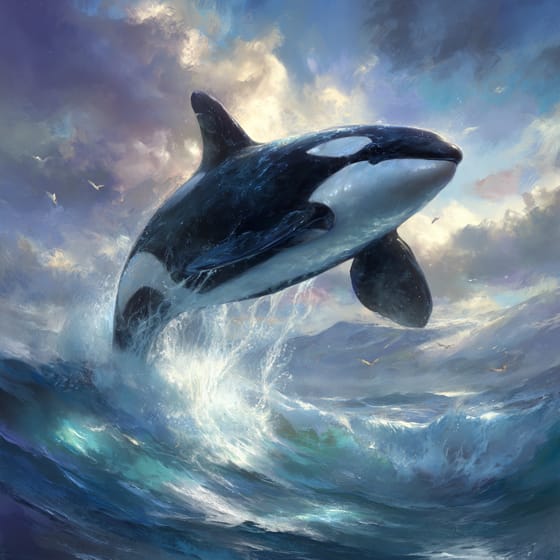
Orcinus orca
Occasionally preyed upon by killer whales.
Remora remora
Attaches to sharks for transport and food scraps.
Los animales sociales viven en grupos organizados, cooperando para obtener beneficios de supervivencia como la búsqueda de alimento, la defensa y la cría de descendencia.
Los organismos piscívoros son animales que subsisten principalmente de una dieta a base de peces.
Este rasgo identifica a los organismos cuya dieta consiste total o principalmente en tejido animal.
Este rasgo identifica a los organismos que exhiben una rapidez excepcional en sus movimientos para cazar, escapar o desplazarse.

Gigante describe organismos u objetos de un tamaño significativamente mayor al promedio de su especie o tipo.

Los hábitats marinos abarcan todos los entornos de agua salada de los océanos de la Tierra, sustentando una inmensa diversidad de vida acuática.

Los animales migratorios emprenden movimientos estacionales de una región a otra, típicamente en respuesta a cambios en el clima o la disponibilidad de alimentos.

El estado de peligro de extinción indica que una especie corre un riesgo muy alto de extinguirse en estado silvestre en un futuro próximo.
Todavía no hay alias listados.
Peligro
3/5 · Moderado
Always stay safe by watching from a distance when near the ocean.
100-350 cm
20-90 kg
10-15 años
They are skilled hunters that mainly eat schooling fish and squid, using their amazing tail!
45 km/h
Open ocean
Pursuit
500 m
Acércate para separar los grupos y explorar dónde se ha fotografiado este objeto.
Los snaps recientes aparecerán aquí a medida que se añadan nuevas observaciones.











_01.jpg&width=800)
