





Pelecomalium
Pelecomalium
Pelecomalium es un tipo especial de insecto al que le encanta explorar su entorno. Tiene colores y patrones únicos que le ayudan a mimetizarse con la naturaleza, ¡lo que lo convierte en un divertido hallazgo para pequeños exploradores!
Hábitat: Áreas urbanas
El Pelecomalium es un insecto pequeño y delgado con un exoesqueleto de color verde esmeralda brillante que capta la luz. Tiene alas delicadas e iridiscentes y antenas inusualmente largas y segmentadas que se curvan elegantemente sobre su cabeza, lo que lo distingue de los escarabajos de jardín comunes.
Categoría
InsectosRareza
Common
Peligro
1/5 · Muy bajo
Snaps
¡Sé la primera persona en hacer un snap!
¡Un Pelecomalium puede vivir un mes entero sin comer una sola comida!
¡Algunas larvas de Pelecomalium brillan en la oscuridad para atraer a sus presas!
¡Sus diminutas patas tienen almohadillas pegajosas, lo que les permite caminar boca abajo!
¡Se comunican tamborileando sus abdómenes en las hojas para enviar mensajes!
Pelecomalium puede cambiar sutilmente el tono de su exoesqueleto gracias a células reflectantes microscópicas, ayudándoles a mimetizarse perfectamente con su entorno.
Pelecomalium tiene antenas especializadas que pueden detectar sonidos de alta frecuencia, lo que les permite navegar en entornos complejos incluso con poca luz.
Pelecomalium puede regenerar extremidades perdidas en cuestión de días gracias a potentes células madre, lo que les ayuda a recuperarse rápidamente de los ataques de depredadores.
¡Pelecomalium mastica hojas frescas y sorbe néctar dulce de las flores para obtener su energía!
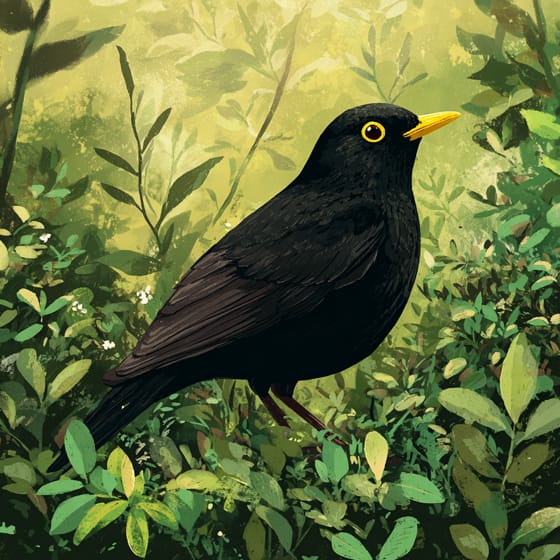
Turdus merula
Presa común para estas aves insectívoras que se alimentan en el suelo.
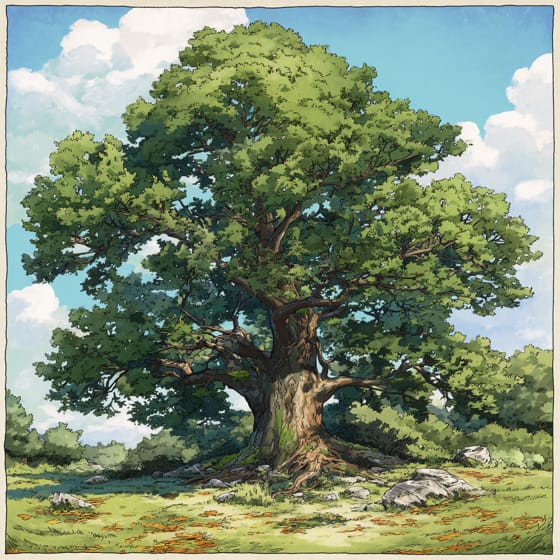
Quercus robur
Se alimenta de las tiernas hojas jóvenes de los robles.
Passiflora incarnata
Ayuda a transferir polen entre flores mientras recolecta néctar.
El camuflaje describe a los organismos que poseen colores o patrones que les permiten mezclarse con su entorno.
Colorido describe a organismos u objetos que exhiben una amplia variedad de colores brillantes y distintivos.
Este rasgo caracteriza a los organismos cuya dieta consiste total o principalmente en material vegetal.
Este rasgo identifica a los organismos cuya dieta consiste total o principalmente en tejido animal.

Los animales diurnos están activos principalmente durante el día y suelen descansar o dormir por la noche.

Este rasgo identifica a los organismos que exhiben una rapidez excepcional en sus movimientos para cazar, escapar o desplazarse.

Esta característica de hábitat indica especies que pueden coexistir con los humanos en entornos urbanos y suburbanos, utilizando estructuras artificiales y espacios verdes.

Describe organismos que transfieren polen, permitiendo la fertilización y reproducción de las plantas.
Todavía no hay alias listados.
Peligro
1/5 · Muy bajo
Sé amable y observador al buscar insectos. No los toques demasiado, ya que pueden ser delicados.
La forma más fácil de identificar a Pelecomalium es usar la aplicación de identificación de naturaleza Snappit.
10-25 mm
5-15 mm
30-90 días
5 km/h
¡Pelecomalium mastica hojas frescas y sorbe néctar dulce de las flores para obtener su energía!
Áreas urbanas
Forrajeo
Acércate para separar los grupos y explorar dónde se ha fotografiado este objeto.
Los snaps recientes aparecerán aquí a medida que se añadan nuevas observaciones.
Llévate el descubrimiento
Haz una foto con Snappit, identifica la especie y guarda el hallazgo en tu colección.







.jpg&width=800)



