Perdido Key beach mouse
Peromyscus polionotus trissyllepsis
The Perdido Key beach mouse is a tiny, cute mouse that lives in sandy areas near the beach. It has soft fur and loves to dig in the sand to find food and make its home.
Hábitat: Coastal areas
The Perdido Key beach mouse has pale, sandy-colored fur, with a white belly and white feet, perfectly camouflaging it against the white dunes. It is a tiny rodent with a relatively long, light-colored tail.
Categoría
MamíferosRareza
Rare
Peligro
1/5 · Muy bajo
Snaps
¡Sé la primera persona en hacer un snap!
Baby beach mice are born blind and helpless, needing their mom's care!
Their homes are complex burrows, sometimes with many tunnels and exits!
These mice live on one tiny stretch of beach, found nowhere else!
They are nocturnal, active mostly when the sun goes down!
Perdido Key beach mouse has light, sandy fur, perfectly blending into white dunes to hide from hungry predators.
Perdido Key beach mouse can dig speedy burrows in the loose sand, creating safe homes and escape routes.
Perdido Key beach mouse has excellent night vision, helping them find food and avoid danger in the dark.
These tiny foragers mostly eat seeds and fruits from dune plants, sometimes munching on insects!
Bubo virginianus
hunts Perdido Key beach mouse for food, especially at night.
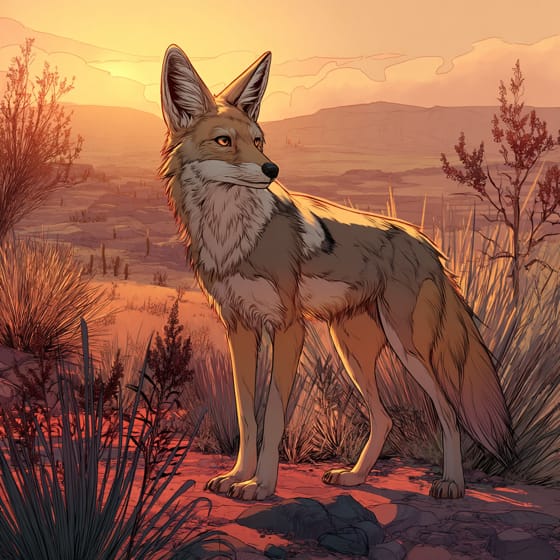
Canis latrans
hunts Perdido Key beach mouse, a common food source in dune areas.
.jpg&width=800)
Uniola paniculata
provides seeds and cover, vital for Perdido Key beach mouse survival.
Coluber constrictor
hunts Perdido Key beach mouse in coastal habitats.
Peludo describe a los animales que poseen una cubierta densa de pelo o pelaje suave.
El camuflaje describe a los organismos que poseen colores o patrones que les permiten mezclarse con su entorno.
Los animales excavadores cavan túneles y cámaras en el suelo y utilizan estas estructuras subterráneas para refugiarse, cazar o reproducirse.
Este rasgo caracteriza a los organismos cuya dieta consiste total o principalmente en material vegetal.

Los hábitats costeros son entornos dinámicos situados a lo largo de la interfaz entre la tierra y el mar, influenciados por las mareas, las olas y el agua salada.

Los animales nocturnos están principalmente activos durante la noche, y suelen descansar o dormir durante el día.

El estado de peligro de extinción indica que una especie corre un riesgo muy alto de extinguirse en estado silvestre en un futuro próximo.
Todavía no hay alias listados.
Peligro
1/5 · Muy bajo
If you see a mouse in the wild, it's best to watch it from a distance and not touch it.
7-9 cm
0.01-0.025 kg
1-2 años
12 km/h
These tiny foragers mostly eat seeds and fruits from dune plants, sometimes munching on insects!
Coastal areas
Foraging
2-7
Acércate para separar los grupos y explorar dónde se ha fotografiado este objeto.
Los snaps recientes aparecerán aquí a medida que se añadan nuevas observaciones.