

Pericallis Steetzii
pericallis steetzii
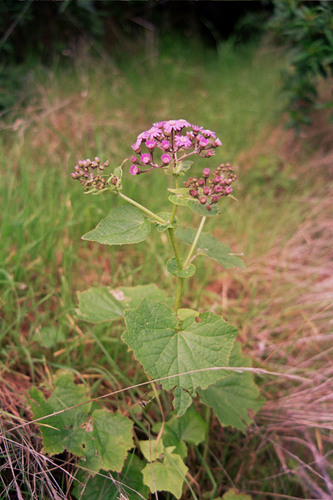
Pericallis Steetzii es una cautivadora planta perenne arbustiva endémica de los húmedos y neblinosos bosques de laurisilva de La Gomera en las Islas Canarias. Perteneciente a la familia de las asteráceas, esta planta juega un papel crucial en el ecosistema local al proporcionar abundante néctar para los polinizadores endémicos. Su exuberante follaje verde y sus vibrantes flores parecidas a margaritas la convierten en un verdadero tesoro botánico de la región macaronésica. Adaptada para prosperar en alta humedad y suelos volcánicos, esta planta resistente muestra el increíble aislamiento evolutivo de la flora de las Islas Canarias. A menudo bordea los senderos húmedos y sombreados del Parque Nacional de Garajonay, recibiendo a los excursionistas con sus suaves hojas y llamativas flores coloridas.
Hábitat: Se encuentra en bosques de laurisilva húmedos, barrancos húmedos y acantilados rocosos sombreados de La Gomera.
Este arbusto perenne suele crecer entre 50 y 150 centímetros de altura, con hojas grandes, de forma acorazonada a redondeada, de color verde, notablemente pálidas y lanudas por debajo. Sus llamativas cabezas florales se agrupan en densos racimos, mostrando flósculos radiales de color rosa púrpura o lila que rodean un disco central que va del morado intenso al amarillo brillante, proporcionando un vívido contraste con el sotobosque oscuro del bosque.
Categoría
PlantasRareza
Común
Peligro
1/5 · Muy bajo
Snaps
¡Sé la primera persona en hacer un snap!
Su género, Pericallis, es el origen evolutivo de la popular cineraria de jardín cultivada.
Pericallis steetzii es una reliquia paleoendémica de los antiguos bosques que cubrieron la cuenca mediterránea antes de la última edad de hielo.
Las hojas tienen una textura distintivamente suave y aterciopelada debido a los finos pelos blanco plateados en sus envés.
Como planta fotoautótrofa, produce su propia energía utilizando la luz solar, el agua, el dióxido de carbono y los minerales esenciales del suelo a través de la fotosíntesis.
Aún no hay insignias de rasgos asignadas a este objeto.
Todavía no hay alias listados.
Las colecciones para este objeto aparecerán aquí a medida que se añadan más temas.
Peligro
1/5 · Muy bajo
Todavía no hay notas especiales de seguridad.
Empieza por la planta entera y luego compara la disposición de las hojas, sus bordes, los tallos y las flores o frutos, si los hay. Las hojas opuestas crecen en parejas; las alternas salen de una en una a lo largo del tallo. Juntos, estos detalles dicen mucho más que una sola hoja verde. Identificador de plantas: sube una foto y compara los detalles visibles.
50-150 cm
0.5-3 kg
3-10 años
Como planta fotoautótrofa, produce su propia energía utilizando la luz solar, el agua, el dióxido de carbono y los minerales esenciales del suelo a través de la fotosíntesis.
Se encuentra en bosques de laurisilva húmedos, barrancos húmedos y acantilados rocosos sombreados de La Gomera.
Acércate para separar los grupos y explorar dónde se ha fotografiado este objeto.
Los snaps recientes aparecerán aquí a medida que se añadan nuevas observaciones.
Llévate el descubrimiento
Haz una foto con Snappit, identifica la especie y guarda el hallazgo en tu colección.