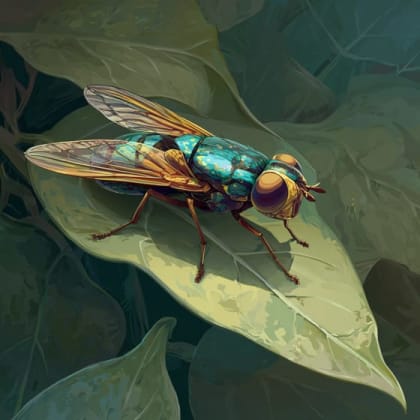
Persius Duskywing
Erynnis persius
The Persius Duskywing is a small butterfly with dark wings and a special love for sunny spots. They flutter around flowers and are often seen in meadows and open woods.
Hábitat: Meadows and open woods
The Persius Duskywing is a small, robust butterfly with mottled dark gray to brownish-black wings. Its forewings often feature several small, faint, translucent white spots near the tip. Its overall appearance provides excellent camouflage against tree bark and dry leaves.
Categoría
InsectosRareza
Common
Peligro
1/5 · Muy bajo
Snaps
¡Sé la primera persona en hacer un snap!
Its caterpillar babies are skilled builders, rolling up leaves to make cozy hideaways to live in.
Sometimes, adult duskywings sip moisture from damp soil or mud puddles to get important minerals!
Unlike 'true' butterflies, skippers like the Persius Duskywing have hooked antennae tips!
When resting, this butterfly often holds its forewings and hindwings at different angles, ready for a quick escape!
Persius Duskywing has dusky, mottled wings that help them blend perfectly with tree bark and dried leaves.
Persius Duskywing can fly with quick, darting movements because of their strong wing muscles, making them hard to catch.
Persius Duskywing has a long, straw-like proboscis that helps them drink sweet nectar from deep inside flowers.
Caterpillars munch on leaves, while adult butterflies enjoy sipping sweet nectar from colorful flowers!
Diferencias por edad: Caterpillars feed on the leaves of specific plants, while adults use their long proboscis to drink flower nectar.
Baptisia australis
Its caterpillars rely solely on these plants for food.
Lupinus perennis
Another essential host plant for Persius Duskywing caterpillars.

Asclepias syriaca
Adults drink nectar from these flowers for energy.
Cyanocitta cristata
Birds like blue jays often prey on adult duskywings.
Los animales solitarios viven solos durante la mayor parte de su vida y solo interactúan con otros para aparearse o cuidar de sus crías.
El camuflaje describe a los organismos que poseen colores o patrones que les permiten mezclarse con su entorno.
Colorido describe a organismos u objetos que exhiben una amplia variedad de colores brillantes y distintivos.
Este rasgo caracteriza a los organismos cuya dieta consiste total o principalmente en material vegetal.

Describe plantas que son particularmente atractivas y beneficiosas para una amplia variedad de organismos polinizadores.

Los hábitats boscosos son entornos terrestres dominados por una densa cubierta arbórea, que sustentan una gran diversidad de vida animal y vegetal.

Los animales diurnos están activos principalmente durante el día y suelen descansar o dormir por la noche.

Describe organismos que transfieren polen, permitiendo la fertilización y reproducción de las plantas.
Todavía no hay alias listados.
Peligro
1/5 · Muy bajo
It's best to watch butterflies from a distance so they feel safe and can keep flying.
30-40 mm
19-22 mm
7-14 días
20 km/h
Caterpillars munch on leaves, while adult butterflies enjoy sipping sweet nectar from colorful flowers!
Meadows and open woods
Foraging
6
Acércate para separar los grupos y explorar dónde se ha fotografiado este objeto.
Los snaps recientes aparecerán aquí a medida que se añadan nuevas observaciones.




_(2).jpg&width=800)