_sordidus_(10.3897-zookeys.728.20602)_Figure_9.jpg&width=800)





Philolithus sordidus
Philolithus sordidus
Philolithus sordidus es un pequeño insecto único al que le encanta esconderse en el suelo. Tiene una forma especial de mimetizarse, ¡lo que hace que sea difícil de detectar! Estos insectos ayudan a mantener la tierra sana.
Hábitat: Bosques
El Philolithus sordidus es un escarabajo tenebriónido de tamaño mediano, típicamente de color marrón oscuro a negro opaco. Su cuerpo ovalado presenta cubiertas alares rugosas y granulares (élitros) que a menudo están fusionadas, dándole una apariencia texturizada y ayudándole a mimetizarse con sus hábitats áridos y arenosos.
Categoría
InsectosRareza
Common
Peligro
1/5 · Muy bajo
Snaps
¡Sé la primera persona en hacer un snap!
¡Los Philolithus sordidus bebés parecen larvas pálidas y parecidas a gusanos que viven escondidas en el suelo!
¡Muchos escarabajos tenebriónidos, como este, no pueden volar porque sus cubiertas alares están fusionadas!
¡A menudo se hacen los 'muertos' cuando se sienten amenazados, permaneciendo perfectamente inmóviles hasta que el peligro pasa!
¡Este escarabajo está mayormente activo por la noche, correteando bajo las estrellas para encontrar comida!
El Philolithus sordidus tiene un exoesqueleto súper resistente que les ayuda a sobrevivir golpes y mordeduras de depredadores en entornos hostiles.
El Philolithus sordidus puede sobrevivir en lugares secos y áridos porque sus cuerpos robustos les ayudan a conservar el agua preciosa.
El Philolithus sordidus puede descomponer plantas muertas y otra materia orgánica, ayudando a devolver nutrientes al suelo.
Este escarabajo ayuda al equipo de limpieza de la naturaleza masticando plantas en descomposición y trozos orgánicos.
Sceloporus occidentalis
Un lagarto común del desierto a menudo se alimenta de estos escarabajos.
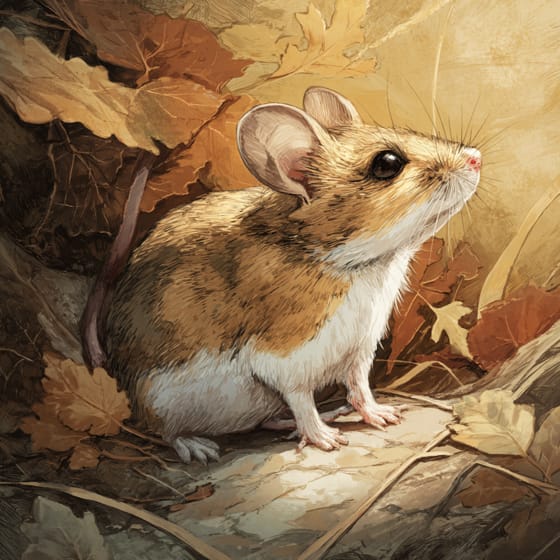
Peromyscus maniculatus
Pequeños roedores buscan estos escarabajos, especialmente por la noche.
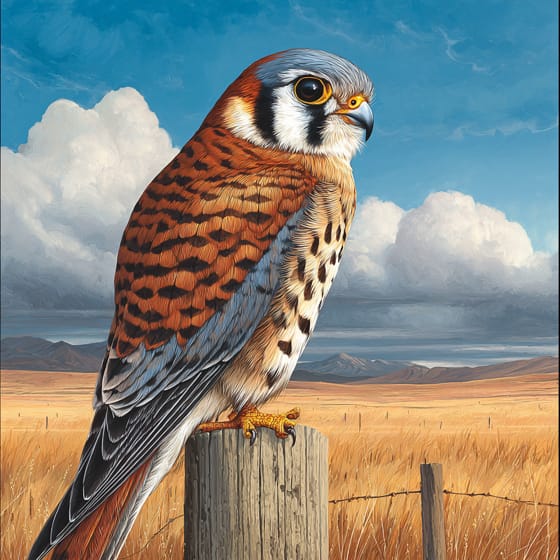
Falco sparverius
Estos pequeños halcones arrebatarán escarabajos del suelo abierto.
Los animales solitarios viven solos durante la mayor parte de su vida y solo interactúan con otros para aparearse o cuidar de sus crías.
El camuflaje describe a los organismos que poseen colores o patrones que les permiten mezclarse con su entorno.
Los hábitats boscosos son entornos terrestres dominados por una densa cubierta arbórea, que sustentan una gran diversidad de vida animal y vegetal.
Describe a los organismos que descomponen la materia orgánica muerta, reciclando los nutrientes de vuelta al ecosistema.

Describe una especie cuya presencia y papel tienen un efecto desproporcionadamente grande en su entorno.

Relativo a especies que son significativamente más pequeñas que lo típico o promedio de su tipo.

Describe organismos que transfieren polen, permitiendo la fertilización y reproducción de las plantas.
Todavía no hay alias listados.
Peligro
1/5 · Muy bajo
Es mejor observar los insectos a distancia y no tocarlos, ya que pueden ser delicados.
La forma más fácil de identificar a Philolithus sordidus es usar la aplicación de identificación de naturaleza Snappit.
5-10 mm
90-365 días
Este escarabajo ayuda al equipo de limpieza de la naturaleza masticando plantas en descomposición y trozos orgánicos.
Bosques
Forrajeo
6
Acércate para separar los grupos y explorar dónde se ha fotografiado este objeto.
Los snaps recientes aparecerán aquí a medida que se añadan nuevas observaciones.
Llévate el descubrimiento
Haz una foto con Snappit, identifica la especie y guarda el hallazgo en tu colección.









.jpg&width=800)


