





Phoebis
phoebis
La mariposa Phoebis es conocida por sus hermosas y brillantes alas amarillas. ¡Estas mariposas revolotean por jardines y campos, convirtiéndose en una vista encantadora para todos!
Hábitat: Las mariposas Phoebis prosperan en áreas cálidas y soleadas como jardines, prados y campos abiertos.
La Phoebis es una mariposa de tamaño mediano que suele mostrar alas de color amarillo o naranja vibrante, a menudo con marcas oscuras o marrón rojizas, especialmente a lo largo de los bordes o venas de las alas. Los machos suelen ser más brillantes, mientras que las hembras pueden ser de color amarillo más pálido o blanco con patrones oscuros más prominentes, lo que las distingue de muchas otras especies de color amarillo liso.
Categoría
InsectosRareza
Common
Peligro
0/5 · Sin peligro conocido
Snaps
¡Sé la primera persona en hacer un snap!
¡Las mariposas Phoebis adultas adoran las flores de color amarillo brillante, naranja y rosa por su dulce néctar!
¡A las orugas Phoebis les encanta comer hojas de plantas de Senna, a menudo llamadas plantas 'cassia'!
¡Algunas mariposas Phoebis migran en grandes grupos, creando impresionantes nubes de amarillo y naranja en el cielo!
¡Sus crisálidas pueden ser verdes o marrones, a menudo con un 'cuerno' puntiagudo en la cabeza, lo que les ayuda a esconderse!
La Phoebis puede viajar miles de millas gracias a sus fuertes músculos de vuelo, lo que la ayuda a encontrar nuevas fuentes de alimento y climas más cálidos.
La Phoebis tiene una larga probóscide enrollada que las ayuda a sorber néctar dulce de lo profundo de las flores como un popote, reuniendo energía vital.
Muchas orugas Phoebis tienen cuerpos verdes o amarillos que las ayudan a mimetizarse perfectamente con las hojas de su planta hospedadora, escondiéndose de los depredadores.
Las orugas mastican hojas, mientras que los adultos sorben néctar dulce de varias flores.
Diferencias por edad: Sí, las larvas consumen hojas de plantas hospedadoras, mientras que los adultos se alimentan exclusivamente de néctar de flores.
Senna obtusifolia
Los adultos visitan estas flores para el néctar y dispersan el polen.
Tyrannus tyrannus
Estas aves son cazadores ágiles que atrapan mariposas en vuelo.
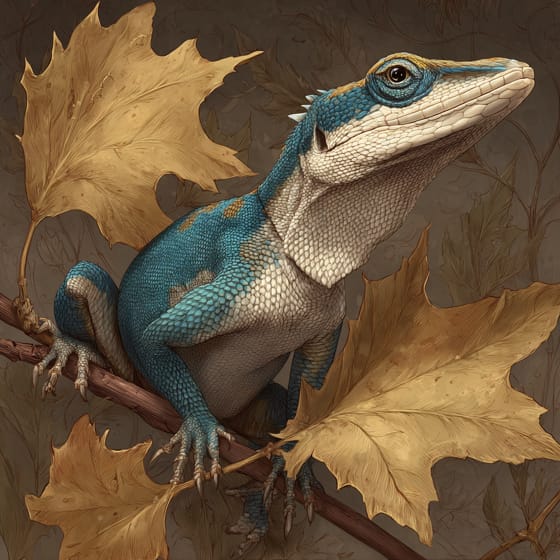
Anolis carolinensis
Los lagartos son depredadores oportunistas, atrapando mariposas o larvas en reposo.
Argiope aurantia
Estas arañas construyen telarañas para capturar Phoebis voladoras.
Los animales sociales viven en grupos organizados, cooperando para obtener beneficios de supervivencia como la búsqueda de alimento, la defensa y la cría de descendencia.
Colorido describe a organismos u objetos que exhiben una amplia variedad de colores brillantes y distintivos.
Los hábitats boscosos son entornos terrestres dominados por una densa cubierta arbórea, que sustentan una gran diversidad de vida animal y vegetal.
Los animales diurnos están activos principalmente durante el día y suelen descansar o dormir por la noche.

Describe organismos que transfieren polen, permitiendo la fertilización y reproducción de las plantas.
Peligro
0/5 · Sin peligro conocido
Todavía no hay notas especiales de seguridad.
La forma más fácil de identificar a Phoebis es usar la aplicación de identificación de naturaleza Snappit.
45-80 mm
20-35 mm
10-30 días
15-25 km/h
Las orugas mastican hojas, mientras que los adultos sorben néctar dulce de varias flores.
Las mariposas Phoebis prosperan en áreas cálidas y soleadas como jardines, prados y campos abiertos.
Forrajeo
Acércate para separar los grupos y explorar dónde se ha fotografiado este objeto.
Los snaps recientes aparecerán aquí a medida que se añadan nuevas observaciones.
Llévate el descubrimiento
Haz una foto con Snappit, identifica la especie y guarda el hallazgo en tu colección.








.jpg&width=800)


