

Phyllis Nobla
phyllis nobla
La Phyllis Nobla, comúnmente conocida como la Phyllis de las Islas Canarias, es un encantador arbusto perenne originario de los húmedos bosques de laurisilva y las empinadas laderas rocosas de Madeira y las Islas Canarias. Perteneciente a la familia del café (Rubiaceae), esta resistente planta está altamente adaptada a los microclimas húmedos únicos de la región macaronésica. Forma densos montículos arbustivos con un exuberante follaje verde que se mantiene vibrante durante todo el año. A menudo se encuentra aferrada a acantilados o anidada en el sotobosque sombreado, la Phyllis Nobla desempeña un papel vital en la estabilización del suelo y el apoyo a la biodiversidad local. Su belleza discreta y su notable adaptación a los vientos cargados de humedad la convierten en un tema fascinante para botánicos y excursionistas que exploran la flora macaronésica única.
Hábitat: Se encuentra en bosques húmedos de laurisilva, grietas rocosas y barrancos sombreados de las Islas Canarias y Madeira.
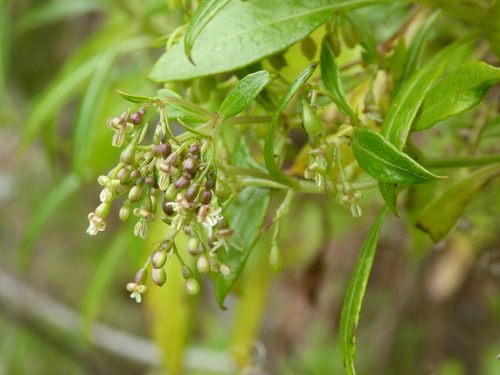
La Phyllis Nobla es un arbusto leñoso de tamaño pequeño a mediano, que suele crecer entre 50 y 150 centímetros de altura. Presenta hojas de color verde brillante, lanceoladas, dispuestas opuestamente o en verticilos a lo largo de sus tallos semileñosos de color marrón rojizo. Los márgenes de las hojas son enteros, lisos y ligeramente ondulados. Durante su período de floración, produce densos racimos terminales ramificados de flores diminutas e inconspicuas, de color blanco verdoso o amarillo pálido. Estas pequeñas flores finalmente dan paso a frutos pequeños, secos y bilobulados, adaptados para la dispersión por el viento.
Categoría
PlantasRareza
Común
Peligro
1/5 · Muy bajo
Snaps
¡Sé la primera persona en hacer un snap!
Sus flores polinizadas por el viento carecen de los pétalos coloridos y el néctar dulce que se encuentran en la mayoría de sus especies emparentadas, ya que no necesita atraer a los insectos polinizadores.
La Phyllis Nobla pertenece a la familia Rubiaceae, lo que la convierte en una pariente muy lejana de la planta comercial del café.
El nombre del género 'Phyllis' deriva directamente de la palabra griega para hoja, haciendo alusión a su exuberante y atractivo follaje perenne.
A diferencia de la mayoría de los miembros de la familia Rubiaceae que dependen de insectos polinizadores, la Phyllis Nobla se ha adaptado para usar la polinización por viento y reproducirse eficientemente en hábitats isleños ventosos.
Sus hojas puntiagudas y lanceoladas están formadas para canalizar el exceso de humedad y condensación de las nubes isleñas directamente hacia su zona radicular.
Ha desarrollado un robusto sistema de raíces leñosas que le permite anclarse firmemente en caras de roca verticales y acantilados volcánicos empinados.
Como planta fotosintética, la Phyllis Nobla produce sus propios nutrientes utilizando la luz solar, el agua, el dióxido de carbono y los minerales esenciales del suelo.
Laurus novocanariensis
Crece bajo el dosel del Laurel de Canarias, compartiendo el suelo húmedo del bosque y beneficiándose de su microclima.
Gallotia galloti
El lagarto endémico de Tenerife se alimenta de las semillas caídas y los pequeños frutos del arbusto, ayudando en la dispersión de las semillas.
Aún no hay insignias de rasgos asignadas a este objeto.
Todavía no hay alias listados.
Las colecciones para este objeto aparecerán aquí a medida que se añadan más temas.
Peligro
1/5 · Muy bajo
Todavía no hay notas especiales de seguridad.
Empieza por la planta entera y luego compara la disposición de las hojas, sus bordes, los tallos y las flores o frutos, si los hay. Las hojas opuestas crecen en parejas; las alternas salen de una en una a lo largo del tallo. Juntos, estos detalles dicen mucho más que una sola hoja verde. Identificador de plantas: sube una foto y compara los detalles visibles.
50-150 cm
1-4 kg
5-15 años
Como planta fotosintética, la Phyllis Nobla produce sus propios nutrientes utilizando la luz solar, el agua, el dióxido de carbono y los minerales esenciales del suelo.
Se encuentra en bosques húmedos de laurisilva, grietas rocosas y barrancos sombreados de las Islas Canarias y Madeira.
Acércate para separar los grupos y explorar dónde se ha fotografiado este objeto.
Los snaps recientes aparecerán aquí a medida que se añadan nuevas observaciones.
Llévate el descubrimiento
Haz una foto con Snappit, identifica la especie y guarda el hallazgo en tu colección.