





Phyllomedusa sauvagii
Phyllomedusa sauvagii
La Phyllomedusa sauvagii, también conocida como la rana mono cerosa, es una rana de color verde brillante a la que le encanta trepar árboles. Tiene una piel especial que la ayuda a mantenerse húmeda y segura en su hogar en lo alto de las hojas.
Hábitat: Bosques
La Phyllomedusa sauvagii tiene un cuerpo vibrante de color verde lima con un vientre blanco cremoso. Sus costados y la parte interna de sus patas presentan llamativas marcas de color naranja rojizo. Tiene ojos grandes y oscuros con pupilas verticales, y su piel parece algo cerosa.
Categoría
AnfibiosRareza
Common
Peligro
1/5 · Muy bajo
Snaps
¡Sé la primera persona en hacer un snap!
¡Puede reabsorber agua de su vejiga, manteniéndose hidratada durante semanas!
¡Estas ranas 'toman el sol' para ayudar a extender su capa cerosa protectora!
¡Construyen asombrosos nidos de hojas doblando las hojas sobre el agua para poner huevos!
A diferencia de la mayoría de las ranas, las ranas mono cerosas suelen caminar en lugar de saltar.
La Phyllomedusa sauvagii puede producir una secreción cerosa única que cubre su piel, ayudando a prevenir la deshidratación en ambientes secos.
La Phyllomedusa sauvagii puede absorber y almacenar agua en su vejiga, lo que les ayuda a sobrevivir largos períodos sin hidratación.
La Phyllomedusa sauvagii tiene espinas orientadas hacia atrás en sus patas que les ayudan a agarrarse a las hojas y ramas para trepar.
La Phyllomedusa sauvagii tiene grandes almohadillas adhesivas en los dedos que les ayudan a adherirse a superficies lisas, perfectas para trepar árboles.
Esta rana disfruta de una dieta de varios insectos y pequeños invertebrados que atrapa en su hogar arbóreo.
Bothrops alternatus
Esta serpiente puede depredar ranas adultas en su hábitat.
Bubo virginianus
Búhos nocturnos cazan ranas desde el dosel de los árboles.
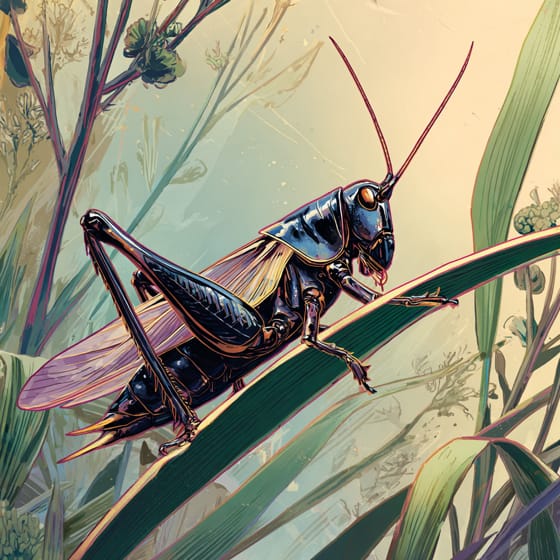
Gryllus assimilis
Un insecto común de presa que se encuentra en el hábitat de la rana.
Spodoptera frugiperda
Esta polilla es una fuente de alimento común para las ranas.
Los animales sociales viven en grupos organizados, cooperando para obtener beneficios de supervivencia como la búsqueda de alimento, la defensa y la cría de descendencia.
Los animales cantores producen vocalizaciones complejas, a menudo con el propósito de atraer parejas, defender el territorio o comunicarse dentro de su especie.
Los animales arborícolas viven principalmente en los árboles, utilizándolos como refugio, alimento y protección contra los depredadores.
El camuflaje describe a los organismos que poseen colores o patrones que les permiten mezclarse con su entorno.

Colorido describe a organismos u objetos que exhiben una amplia variedad de colores brillantes y distintivos.

Este rasgo identifica a los organismos cuya dieta consiste principalmente en insectos y otros pequeños invertebrados.

Los organismos termorreguladores mantienen una temperatura corporal interna estable a pesar de las fluctuaciones en el entorno exterior.

Los hábitats boscosos son entornos terrestres dominados por una densa cubierta arbórea, que sustentan una gran diversidad de vida animal y vegetal.

Los animales nocturnos están principalmente activos durante la noche, y suelen descansar o dormir durante el día.

El estado de peligro de extinción indica que una especie corre un riesgo muy alto de extinguirse en estado silvestre en un futuro próximo.
Peligro
1/5 · Muy bajo
Observa siempre a las ranas desde la distancia y no las toques, ya que pueden ser delicadas.
La forma más fácil de identificar a Phyllomedusa sauvagii es usar la aplicación de identificación de naturaleza Snappit.
5-7.5 cm
0.01-0.025 kg
5-10 años
Esta rana disfruta de una dieta de varios insectos y pequeños invertebrados que atrapa en su hogar arbóreo.
Bosques
Búsqueda De Alimento
300-800
Acércate para separar los grupos y explorar dónde se ha fotografiado este objeto.
Los snaps recientes aparecerán aquí a medida que se añadan nuevas observaciones.
Llévate el descubrimiento
Haz una foto con Snappit, identifica la especie y guarda el hallazgo en tu colección.







.JPG&width=800)

.jpg&width=800)

