





Phylloteras poculum
Phylloteras poculum
Phylloteras poculum es un tipo especial de insecto al que le encanta esconderse entre las hojas. ¡Tiene una forma y color únicos que le ayudan a mimetizarse con su entorno, lo que lo convierte en un maestro del disfraz!
Hábitat: Bosques
El Phylloteras poculum es un insecto pequeño, de forma ovalada, típicamente de color verde esmeralda o marrón moteado, que imita perfectamente una hoja. Tiene una ligera indentación texturizada en forma de copa en su espalda, lo que le ayuda a mezclarse a la perfección con su entorno vegetal.
Categoría
InsectosRareza
Common
Peligro
1/5 · Muy bajo
Snaps
¡Sé la primera persona en hacer un snap!
¡Puede saborear con sus patas, ayudándole a encontrar las hojas más sabrosas!
¡Pone sus huevos dentro de las hojas, creando un nido acogedor y escondido!
¡Sus pequeños ojos ven el mundo en miles de piezas de mosaico!
¡Cuando se siente amenazado, puede hacerse el muerto durante varios minutos para escapar del peligro!
Phylloteras poculum puede desaparecer a simple vista gracias a su increíble camuflaje que les ayuda a parecerse exactamente a una hoja.
Phylloteras poculum tiene una indentación única en forma de copa en su espalda que les ayuda a recolectar rocío o a mimetizarse con las imperfecciones de las hojas.
Phylloteras poculum puede detectar pequeñas vibraciones del suelo gracias a sensores especializados en sus patas que les ayudan a sentir la aproximación de depredadores.
Este diminuto insecto mastica muchos tipos de hojas de plantas, ayudando a podarlas.
Quercus rubra
Las hojas son una fuente de alimento para este insecto.
Betula pendula
Sus hojas proporcionan sustento para la Phylloteras.
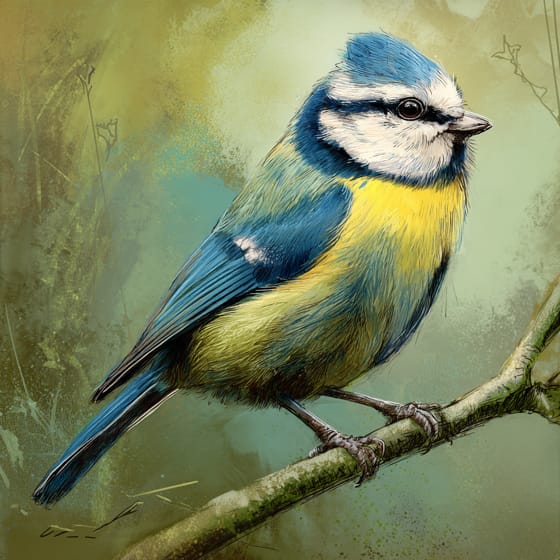
Parus caeruleus
Las aves a menudo depredan estos pequeños insectos.
Misumena vatia
Las arañas a menudo los emboscan en flores y hojas.
Los animales solitarios viven solos durante la mayor parte de su vida y solo interactúan con otros para aparearse o cuidar de sus crías.
El camuflaje describe a los organismos que poseen colores o patrones que les permiten mezclarse con su entorno.
Este rasgo caracteriza a los organismos cuya dieta consiste total o principalmente en material vegetal.
Los hábitats boscosos son entornos terrestres dominados por una densa cubierta arbórea, que sustentan una gran diversidad de vida animal y vegetal.

Los animales diurnos están activos principalmente durante el día y suelen descansar o dormir por la noche.

Relativo a especies que son significativamente más pequeñas que lo típico o promedio de su tipo.

Describe organismos que transfieren polen, permitiendo la fertilización y reproducción de las plantas.
Todavía no hay alias listados.
Peligro
1/5 · Muy bajo
Siempre mira, pero no toques los insectos, ya que algunos pueden ser delicados.
La forma más fácil de identificar a Phylloteras poculum es usar la aplicación de identificación de naturaleza Snappit.
8-12 mm
3-6 mm
45-75 días
8 km/h
Este diminuto insecto mastica muchos tipos de hojas de plantas, ayudando a podarlas.
Bosques
Forrajeo
Acércate para separar los grupos y explorar dónde se ha fotografiado este objeto.
Los snaps recientes aparecerán aquí a medida que se añadan nuevas observaciones.
Llévate el descubrimiento
Haz una foto con Snappit, identifica la especie y guarda el hallazgo en tu colección.







.jpg&width=800)



