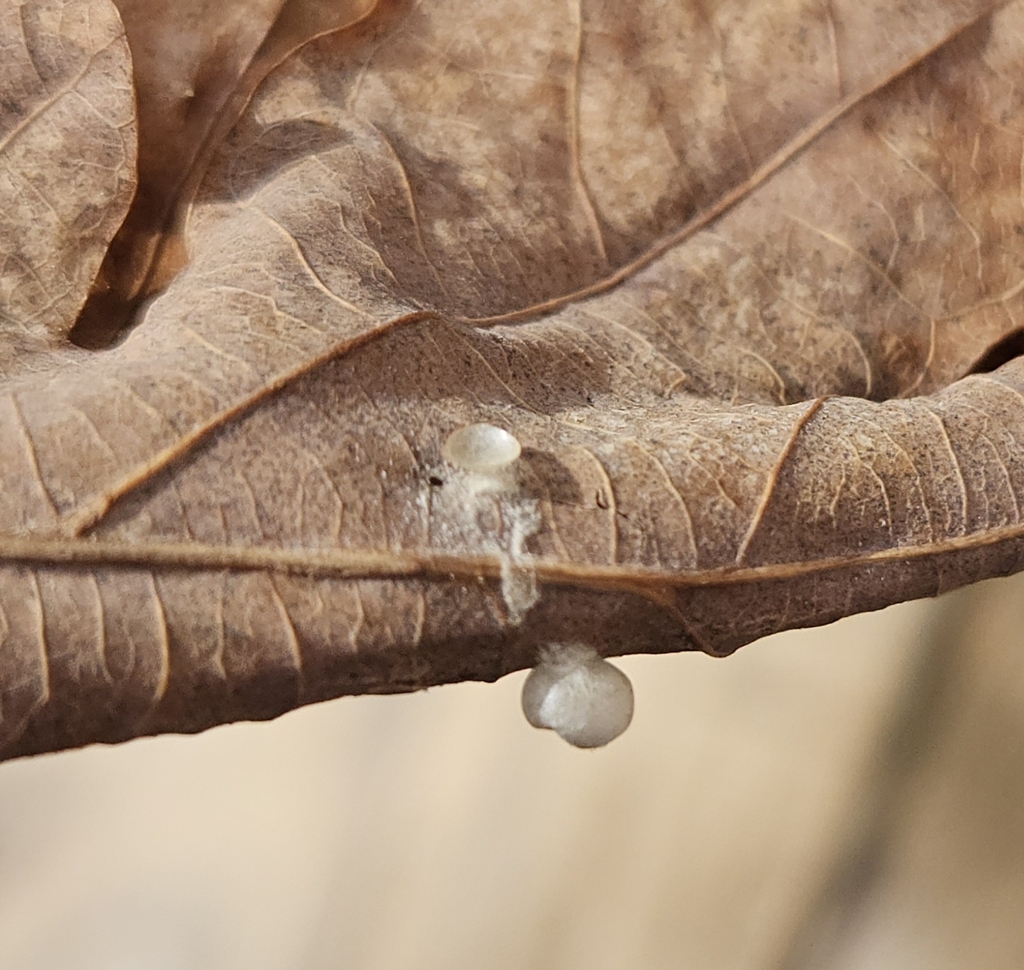





Phylloteras rubinum
Phylloteras rubinum
Phylloteras rubinum es un tipo especial de escarabajo conocido por su color rojo brillante. ¡A estos pequeños insectos les encanta esconderse en las plantas y a menudo se encuentran en jardines, lo que los hace divertidos de encontrar!
Hábitat: Jardines
El Phylloteras rubinum es un escarabajo pequeño, de cuerpo ovalado, caracterizado por su llamativo exoesqueleto de color rojo rubí metálico. Sus antenas son relativamente cortas y segmentadas, contrastando sutilmente con su vibrante cuerpo, lo que lo hace destacar sobre el follaje verde.
Categoría
InsectosRareza
Común
Peligro
1/5 · Muy bajo
Snaps
¡Sé la primera persona en hacer un snap!
¡Su caparazón rojo rubí es súper resistente, protegiéndolo como una pequeña armadura!
¡La cría de Phylloteras rubinum, llamada larva, parece un pequeño gusano irregular!
¡Pequeños ganchos en sus patas le ayudan a aferrarse a las hojas, incluso boca abajo!
¡Cuando se siente amenazado, este escarabajo puede hacerse el muerto, permaneciendo inmóvil hasta que el peligro pasa!
Phylloteras rubinum puede producir químicos de sabor amargo gracias a glándulas en su cuerpo que disuaden a los depredadores de comérselo.
Phylloteras rubinum tiene mandíbulas poderosas que les ayudan a masticar eficientemente hojas y tallos de plantas resistentes para alimentarse.
Phylloteras rubinum puede desplegar rápidamente sus alas ocultas y emprender un vuelo veloz para escapar del peligro o encontrar nuevas fuentes de alimento.
Este escarabajo disfruta masticando varias hojas y flores de plantas para obtener su energía.
Diferencias por edad: Las larvas suelen consumir hojas más jóvenes y tiernas que los adultos.

Cyanocitta cristata
Los arrendajos azules a menudo depredan insectos que se encuentran en el follaje.

Quercus alba
Se alimenta de las hojas, dejando marcas distintivas de masticación.
Araneus diadematus
Atrapado en telarañas al volar entre plantas.

Rosa multiflora
Puede causar daños a las hojas y brotes jóvenes.
Los animales solitarios viven solos durante la mayor parte de su vida y solo interactúan con otros para aparearse o cuidar de sus crías.
Colorido describe a organismos u objetos que exhiben una amplia variedad de colores brillantes y distintivos.
Este rasgo caracteriza a los organismos cuya dieta consiste total o principalmente en material vegetal.
Los animales diurnos están activos principalmente durante el día y suelen descansar o dormir por la noche.
Describe una especie cuya presencia y papel tienen un efecto desproporcionadamente grande en su entorno.
Esta característica de hábitat indica especies que pueden coexistir con los humanos en entornos urbanos y suburbanos, utilizando estructuras artificiales y espacios verdes.
Describe organismos que transfieren polen, permitiendo la fertilización y reproducción de las plantas.
Todavía no hay alias listados.
Peligro
1/5 · Muy bajo
Sé suave y mira por dónde pisas para proteger a estos pequeños escarabajos.
Busca seis patas, antenas, tres secciones en el cuerpo y la forma de las alas. Los escarabajos tienen las alas delanteras endurecidas; las moscas solo tienen un par que funciona. Los insectos diminutos pueden necesitar un primer plano antes de que se vea su grupo. Identificador de insectos: sube una foto y compara los detalles visibles.
15-25 mm
5-10 mm
30-90 días
12 km/h
Este escarabajo disfruta masticando varias hojas y flores de plantas para obtener su energía.
Jardines
Forrajeo
Acércate para separar los grupos y explorar dónde se ha fotografiado este objeto.
Los snaps recientes aparecerán aquí a medida que se añadan nuevas observaciones.
Llévate el descubrimiento
Haz una foto con Snappit, identifica la especie y guarda el hallazgo en tu colección.