






Pickerel Frog
Lithobates palustris
The Pickerel Frog is a beautiful amphibian with yellow spots on its brown skin. It loves to live near water and can often be found hopping around in wetlands and ponds.
Hábitat: Wetlands
The Pickerel Frog is light brown or tan with distinctive, often rectangular, dark spots arranged in two rows down its back. Its smooth skin also features bright yellow-orange coloration on the inner thighs, making it visually distinct from other spotted frogs.
Categoría
AnfibiosRareza
Common
Peligro
1/5 · Muy bajo
Snaps
¡Sé la primera persona en hacer un snap!
Pickerel Frogs hibernate underwater during winter, often buried in soft mud.
The name "pickerel" comes from their spots, which resemble a type of fish.
Their skin produces a mild, bad-tasting toxin that deters most predators.
They can stay completely submerged underwater for several minutes!
Pickerel Frog can blend into its habitat thanks to its brown color and rectangular spots, helping it hide from danger.
Pickerel Frog has powerful hind legs that allow it to make quick, long jumps for escaping predators or catching prey.
Pickerel Frogs are insectivores, snatching insects and other small critters with their sticky tongue.
Diferencias por edad: Tadpoles eat algae; adult frogs are insectivores, hunting small invertebrates.
Thamnophis sirtalis
A common snake predator of these frogs.
Procyon lotor
Opportunistic predator, especially near water.
Ardea herodias
Wading bird that preys on frogs in water.
Marcado con manchas o parches de un color diferente.
Los animales solitarios viven solos durante la mayor parte de su vida y solo interactúan con otros para aparearse o cuidar de sus crías.
Colorido describe a organismos u objetos que exhiben una amplia variedad de colores brillantes y distintivos.
Este rasgo identifica a los organismos cuya dieta consiste principalmente en insectos y otros pequeños invertebrados.

Los organismos termorreguladores mantienen una temperatura corporal interna estable a pesar de las fluctuaciones en el entorno exterior.

Este rasgo de hábitat identifica especies que se encuentran en humedales, que son áreas de tierra saturadas de agua, ya sea permanente o estacionalmente, e incluyen marismas, pantanos y ciénagas.

Los hábitats de agua dulce incluyen entornos acuáticos no salinos como ríos, lagos, estanques y humedales, vitales para numerosas especies.

Los animales diurnos están activos principalmente durante el día y suelen descansar o dormir por la noche.

Describe una especie cuya presencia y papel tienen un efecto desproporcionadamente grande en su entorno.

Los animales nocturnos están principalmente activos durante la noche, y suelen descansar o dormir durante el día.
Todavía no hay alias listados.
Peligro
1/5 · Muy bajo
Always watch frogs from a distance and don't try to catch them, as they can be slippery!
4.4-7.6 cm
0.005-0.02 kg
2-5 años
3 km/h
Pickerel Frogs are insectivores, snatching insects and other small critters with their sticky tongue.
Wetlands
Ambush
2000-3000
Acércate para separar los grupos y explorar dónde se ha fotografiado este objeto.
Los snaps recientes aparecerán aquí a medida que se añadan nuevas observaciones.
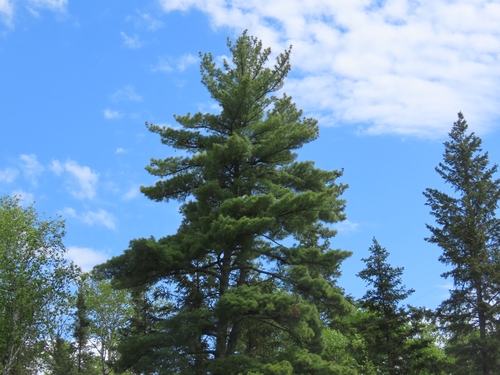
Connecticut, US
Puedes ver Pino Blanco Oriental, Tsuga Del Canadá y Laurel De Montaña.
Ver guía →
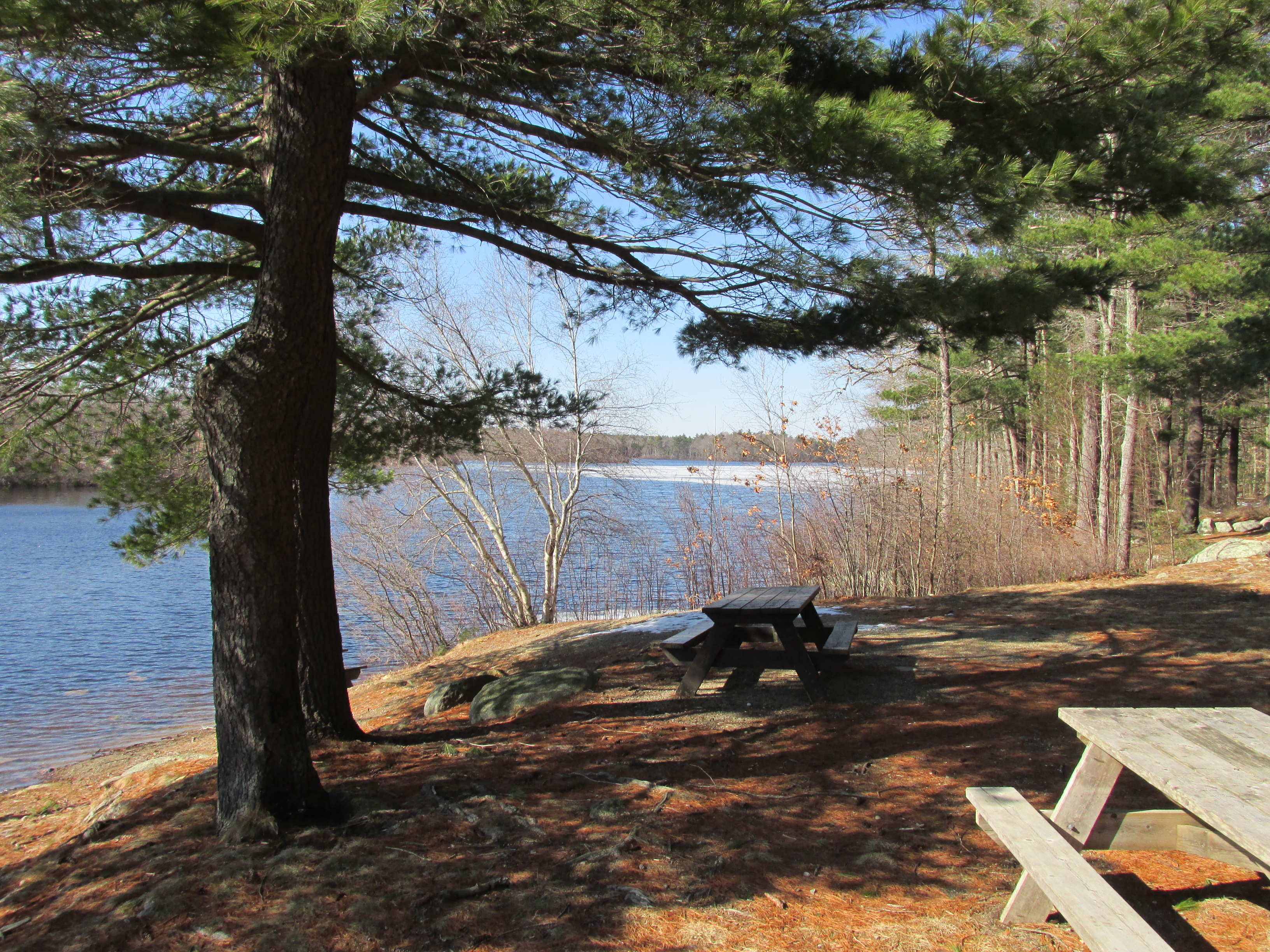
Massachusetts, US
Puedes ver Barnacla Canadiense, Common Watersnake y Cisne Vulgar.
Ver guía →
_Filene_Center_outside.jpg)
Virginia, US
Puedes ver False Milkweed Bug, Laurel De Montaña y Eastern Skunk Cabbage.
Ver guía →

Pennsylvania, US
Puedes ver Hemlock Varnish Shelf, Laurel De Montaña y Cinnamon Fern.
Ver guía →
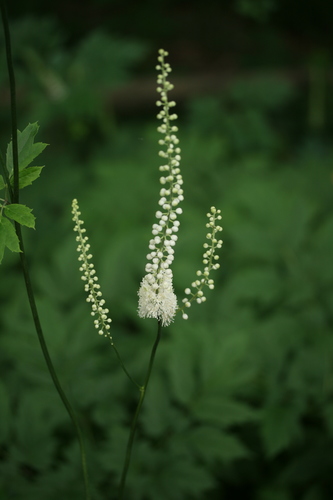
Virginia, US
Puedes ver Black Cohosh, Common Coral Slime y Rue Anemone.
Ver guía →












