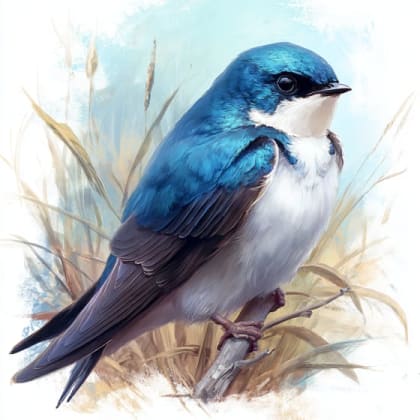
Pied Woodpeckers And Allies
melanerpini
Pied woodpeckers are known for their striking black and white feathers! They use their strong beaks to tap on trees and find tasty insects to eat.
Hábitat: Pied woodpeckers live in forests, especially in areas with plenty of trees.
The Pied Woodpeckers And Allies typically have striking black and white plumage, often accented with bright red or yellow patches on their head or belly. They possess strong, chisel-like bills and stiff tail feathers that act as a prop against tree trunks, distinguishing them.
Categoría
AvesRareza
Common
Peligro
0/5 · Sin peligro conocido
Snaps
¡Sé la primera persona en hacer un snap!
Some woodpeckers store hundreds of acorns in tree holes for winter snacks.
Their tongues are so long they sometimes wrap around their skull!
They use their stiff tail feathers like a third leg for balance on trees.
Woodpeckers can peck up to 20 times per second when drilling into wood!
Pied Woodpeckers And Allies have a specialized skull structure that protects their brain from the impact of powerful pecking.
Pied Woodpeckers And Allies have zygodactyl feet that help them cling firmly to tree trunks while climbing and drilling.
Pied Woodpeckers And Allies can extend a long, barbed tongue to extract hidden insects from deep within tree crevices.
Mostly insects found in wood, but they also enjoy fruits, nuts, and tree sap from plants.
Dendroctonus ponderosae
Helps control forest pest populations.
Buteo jamaicensis
A common aerial predator.
Sciurus carolinensis
May raid acorn caches or use tree cavities.
Sialia sialis
Uses old woodpecker cavities for nests.
Los animales solitarios viven solos durante la mayor parte de su vida y solo interactúan con otros para aparearse o cuidar de sus crías.
Los animales arborícolas viven principalmente en los árboles, utilizándolos como refugio, alimento y protección contra los depredadores.
Colorido describe a organismos u objetos que exhiben una amplia variedad de colores brillantes y distintivos.
Este rasgo identifica a los organismos cuya dieta consiste total o principalmente en tejido animal.

Los animales diurnos están activos principalmente durante el día y suelen descansar o dormir por la noche.
Peligro
0/5 · Sin peligro conocido
Todavía no hay notas especiales de seguridad.
18-30 cm
32-50 cm
0.05-0.15 kg
5-10 años
50 km/h
Mostly insects found in wood, but they also enjoy fruits, nuts, and tree sap from plants.
Pied woodpeckers live in forests, especially in areas with plenty of trees.
Foraging
Acércate para separar los grupos y explorar dónde se ha fotografiado este objeto.
Los snaps recientes aparecerán aquí a medida que se añadan nuevas observaciones.




.jpg&width=800)