






Pine Siskin
Spinus pinus
The Pine Siskin is a small, cheerful bird that loves to flit around trees. With its yellow-tipped wings and lively chirps, it brings joy to forests and backyards alike!
Hábitat: Forests
The Pine Siskin is a small, streaky brown finch with a finely pointed beak. It has distinctive bright yellow patches on its wings and tail, especially visible when it flies. These yellow flashes help distinguish it from other small, brown streaky birds.
Categoría
AvesRareza
Common
Peligro
1/5 · Muy bajo
Snaps
¡Sé la primera persona en hacer un snap!
A Pine Siskin's call sounds like a zippy, buzzing "zweeeeet"!
Pine Siskins will sometimes drink maple sap from tree wounds!
Their flocks can number in the thousands, swirling like smoke!
These tough birds can start nesting even in cold, snowy weather!
Pine Siskin can extract tiny seeds from pine cones because of its slender, pointed beak that pries open scales.
Pine Siskin can suddenly move long distances in search of food because their population follows cone crops across continents.
Pine Siskin can hang upside down on branches because their flexible feet help them reach tricky seeds other birds miss.
Tiny seeds from conifers and weeds are this bird's favorite snack, occasionally adding small insects for protein.
Picea glauca
Primary food source from its cones.
Pinus strobus
Reliable seed source, especially during winter.

Accipiter striatus
A common avian predator of small songbirds.
Felis catus
Outdoor cats are significant predators.
Describe a los animales, principalmente aves, que poseen una cubierta de plumas.
Los animales sociales viven en grupos organizados, cooperando para obtener beneficios de supervivencia como la búsqueda de alimento, la defensa y la cría de descendencia.
Los animales cantores producen vocalizaciones complejas, a menudo con el propósito de atraer parejas, defender el territorio o comunicarse dentro de su especie.
Este rasgo caracteriza a los organismos cuya dieta consiste total o principalmente en material vegetal.

Los hábitats boscosos son entornos terrestres dominados por una densa cubierta arbórea, que sustentan una gran diversidad de vida animal y vegetal.

Los animales diurnos están activos principalmente durante el día y suelen descansar o dormir por la noche.

Los animales migratorios emprenden movimientos estacionales de una región a otra, típicamente en respuesta a cambios en el clima o la disponibilidad de alimentos.
Todavía no hay alias listados.
Peligro
1/5 · Muy bajo
Enjoy watching birds from a distance and don't try to touch them.
11-14 cm
18-22 cm
0.012-0.018 kg
1-9 años
50 km/h
Tiny seeds from conifers and weeds are this bird's favorite snack, occasionally adding small insects for protein.
Forests
Foraging
Acércate para separar los grupos y explorar dónde se ha fotografiado este objeto.
Los snaps recientes aparecerán aquí a medida que se añadan nuevas observaciones.
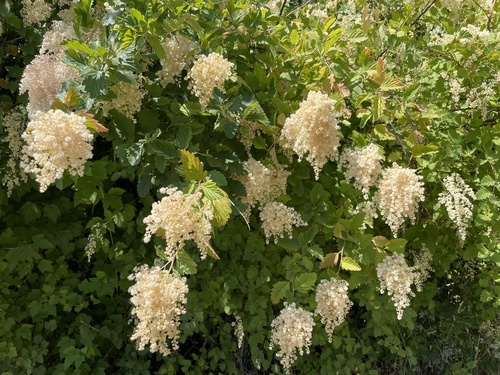
British Columbia, CA
Puedes ver Ocean Spray, Rocky Mountain Woodsia y Prairie Smoke.
Ver guía →
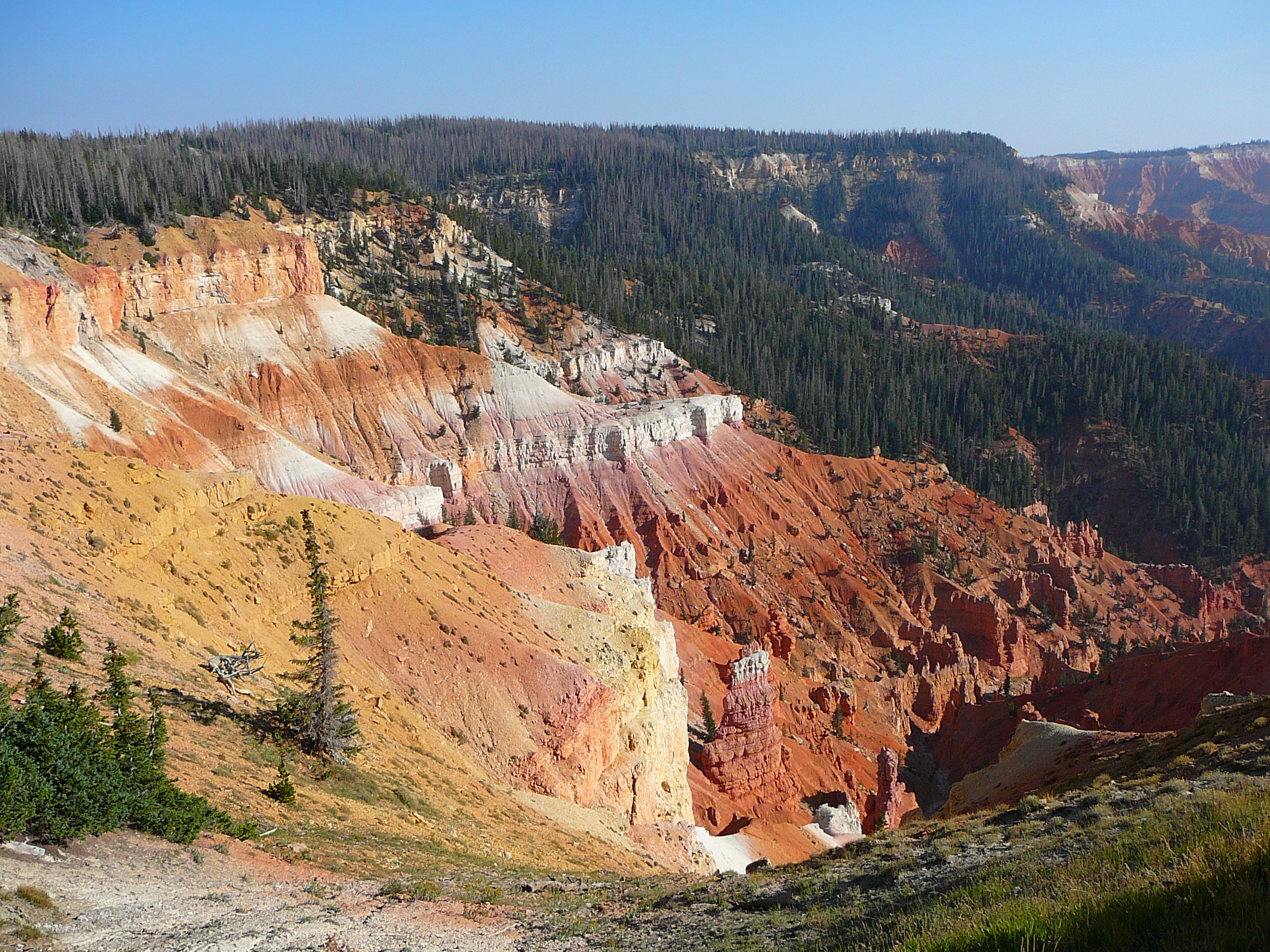
Utah, US
Puedes ver Great Basin Bristlecone Pine, Blue Columbine y Monument Plant.
Ver guía →
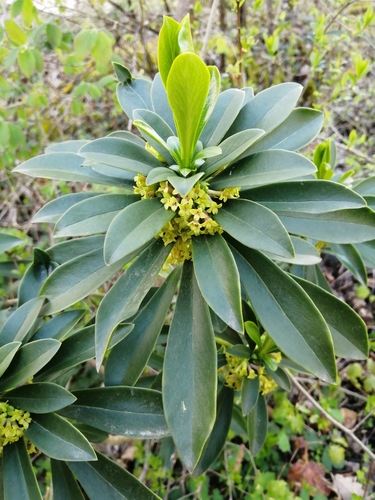
British Columbia, CA
Puedes ver Spurge-Laurel, Lagartija Roquera y Western Skunk Cabbage.
Ver guía →

British Columbia, CA
Puedes ver White Pasqueflower, Hoary Marmot y Columbian Ground Squirrel.
Ver guía →
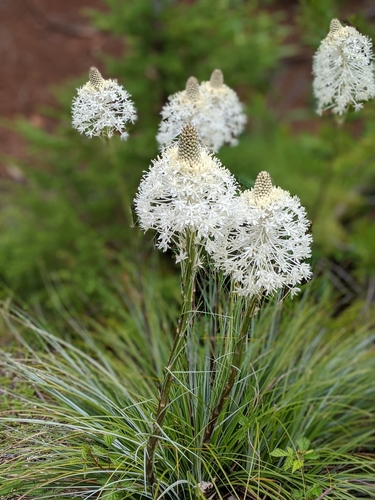
British Columbia, CA
Puedes ver Common Beargrass, White-Flowered Rhododendron y Glacier Lily.
Ver guía →

British Columbia, CA
Puedes ver White Twisted-Stalk y Western Skunk Cabbage.
Ver guía →









_(26058476660).jpg&width=800)


