






Pine White
Neophasia menapia
The Pine White is a beautiful butterfly with white wings and black spots. It loves to flutter around pine trees and is often seen in sunny places during the summer.
Hábitat: Forests
The Pine White is a medium-sized butterfly, primarily white with distinctive black veins on its forewings, especially near the tips. Its hindwings are also white, sometimes with faint dark markings, and the body is slender and dark. This striking black-and-white pattern easily distinguishes it from other similar white butterflies.
Categoría
InsectosRareza
Common
Peligro
1/5 · Muy bajo
Snaps
¡Sé la primera persona en hacer un snap!
A Pine White caterpillar can eat its own weight in pine needles every day!
Pine White wings flutter in a unique, rapid way that's easy to spot!
Their eggs are often laid in neat rows, like tiny pearls on a string!
These butterflies love to drink nectar from wildflowers in sunny clearings!
Pine White can precisely locate pine trees for egg-laying because of specialized chemical sensors that help them identify the right host plant.
Pine White caterpillars have a mottled green-brown pattern and blend into pine needles, helping them hide from hungry birds.
Pine White eggs have a strong adhesive coating that helps them stick firmly to pine needles, preventing them from being dislodged by wind or rain.
As caterpillars, they munch on pine needles; as adults, they sip sweet flower nectar.
Diferencias por edad: Larvae (caterpillars) feed exclusively on pine needles, while adult butterflies feed on flower nectar.
Pinus ponderosa
Main host plant for larvae to feed on.
Pinus contorta
Important host plant for caterpillars in many areas.
Aves spp.
Various bird species prey on caterpillars and adults.
Bombus spp.
Adults visit wildflowers, assisting in pollination.
Marcado con manchas o parches de un color diferente.
El camuflaje describe a los organismos que poseen colores o patrones que les permiten mezclarse con su entorno.
Colorido describe a organismos u objetos que exhiben una amplia variedad de colores brillantes y distintivos.
Este rasgo caracteriza a los organismos cuya dieta consiste total o principalmente en material vegetal.

Describe plantas que son particularmente atractivas y beneficiosas para una amplia variedad de organismos polinizadores.

Los hábitats boscosos son entornos terrestres dominados por una densa cubierta arbórea, que sustentan una gran diversidad de vida animal y vegetal.

Los animales diurnos están activos principalmente durante el día y suelen descansar o dormir por la noche.

Describe organismos que transfieren polen, permitiendo la fertilización y reproducción de las plantas.
Todavía no hay alias listados.
Peligro
1/5 · Muy bajo
Always watch butterflies from a distance and don't try to catch them.
40-58 mm
18-25 mm
10-20 días
As caterpillars, they munch on pine needles; as adults, they sip sweet flower nectar.
Forests
Foraging
6
Acércate para separar los grupos y explorar dónde se ha fotografiado este objeto.
Los snaps recientes aparecerán aquí a medida que se añadan nuevas observaciones.
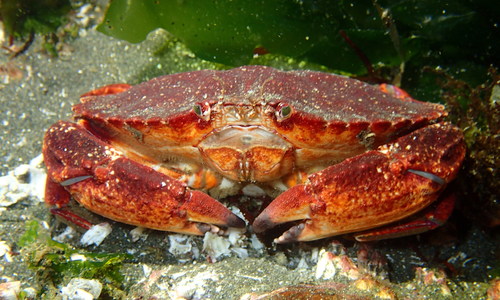
British Columbia, CA
Puedes ver Red Rock Crab, Dungeness Crab y Salal.
Ver guía →

British Columbia, CA
Puedes ver Salal, Northern Red Belt y Western Sword Fern.
Ver guía →
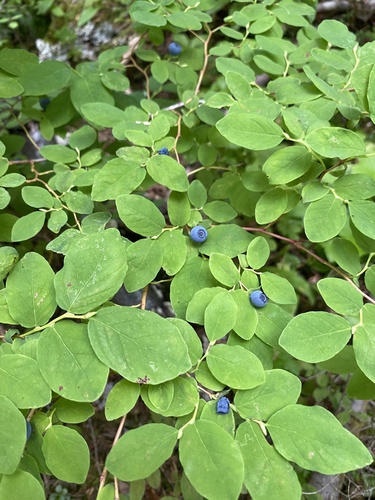
British Columbia, CA
Puedes ver Oval-Leaf Blueberry, Columbia Lily y Green False Hellebore.
Ver guía →
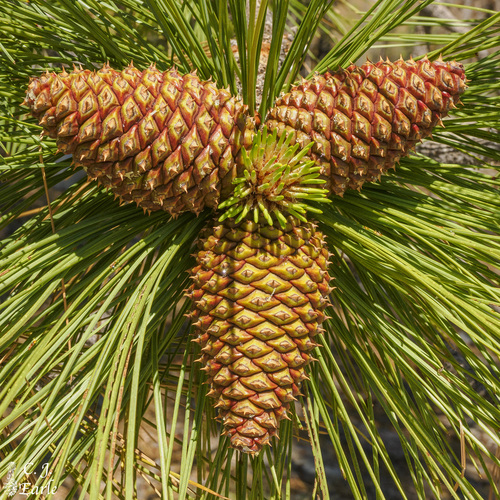
California, US
Puedes ver Jeffrey Pine y Pandora Pinemoth.
Ver guía →
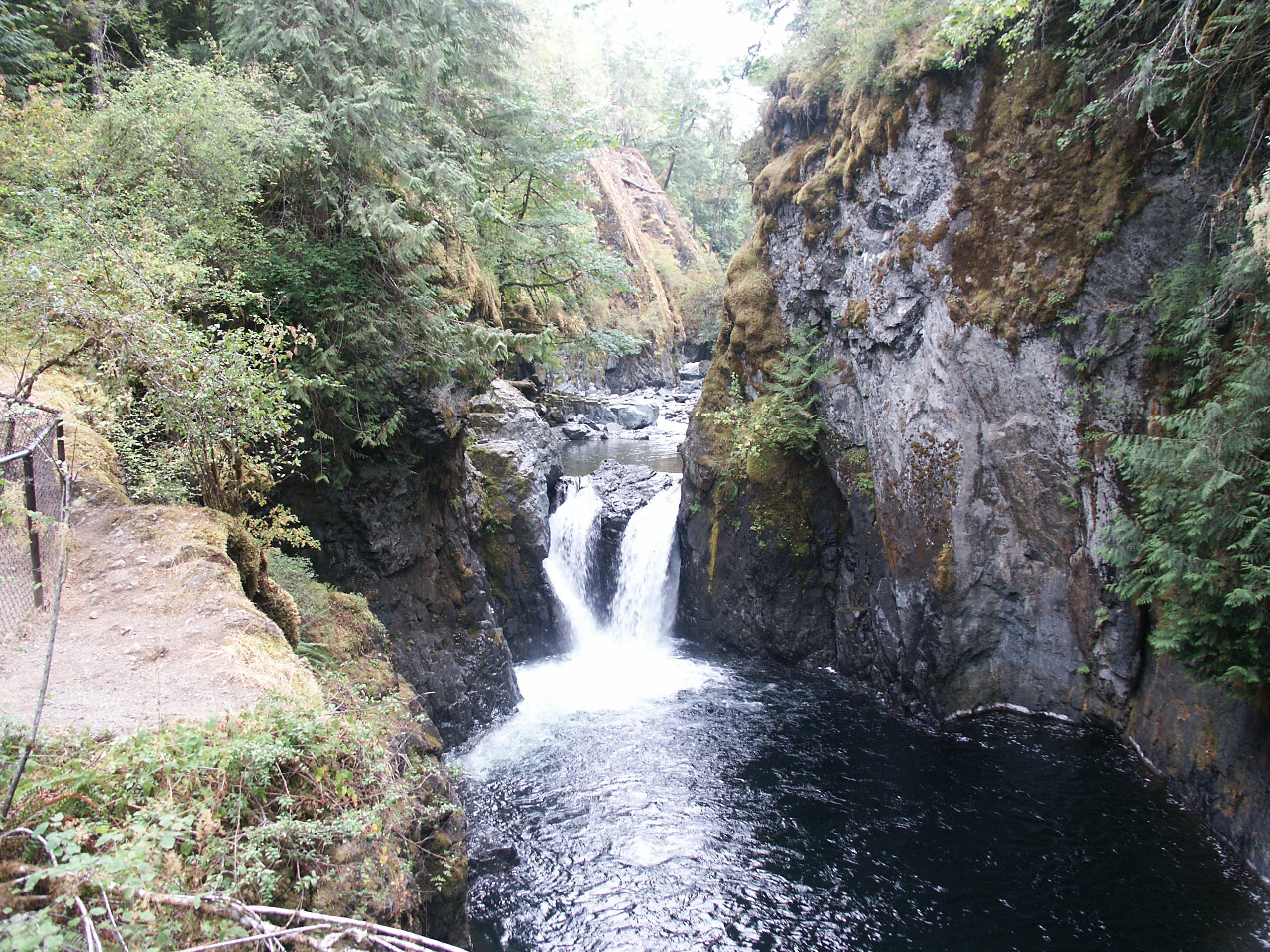
British Columbia, CA
Puedes ver Vanilla Leaf, Western Maidenhair Fern y Salal.
Ver guía →







_Male_(19416867136).png&width=800)





