Pinemat Manzanita
Arctostaphylos nevadensis
The Pinemat Manzanita is a small, bushy plant with beautiful, shiny leaves. It produces lovely pink flowers that attract bees and butterflies, making it a favorite in nature!
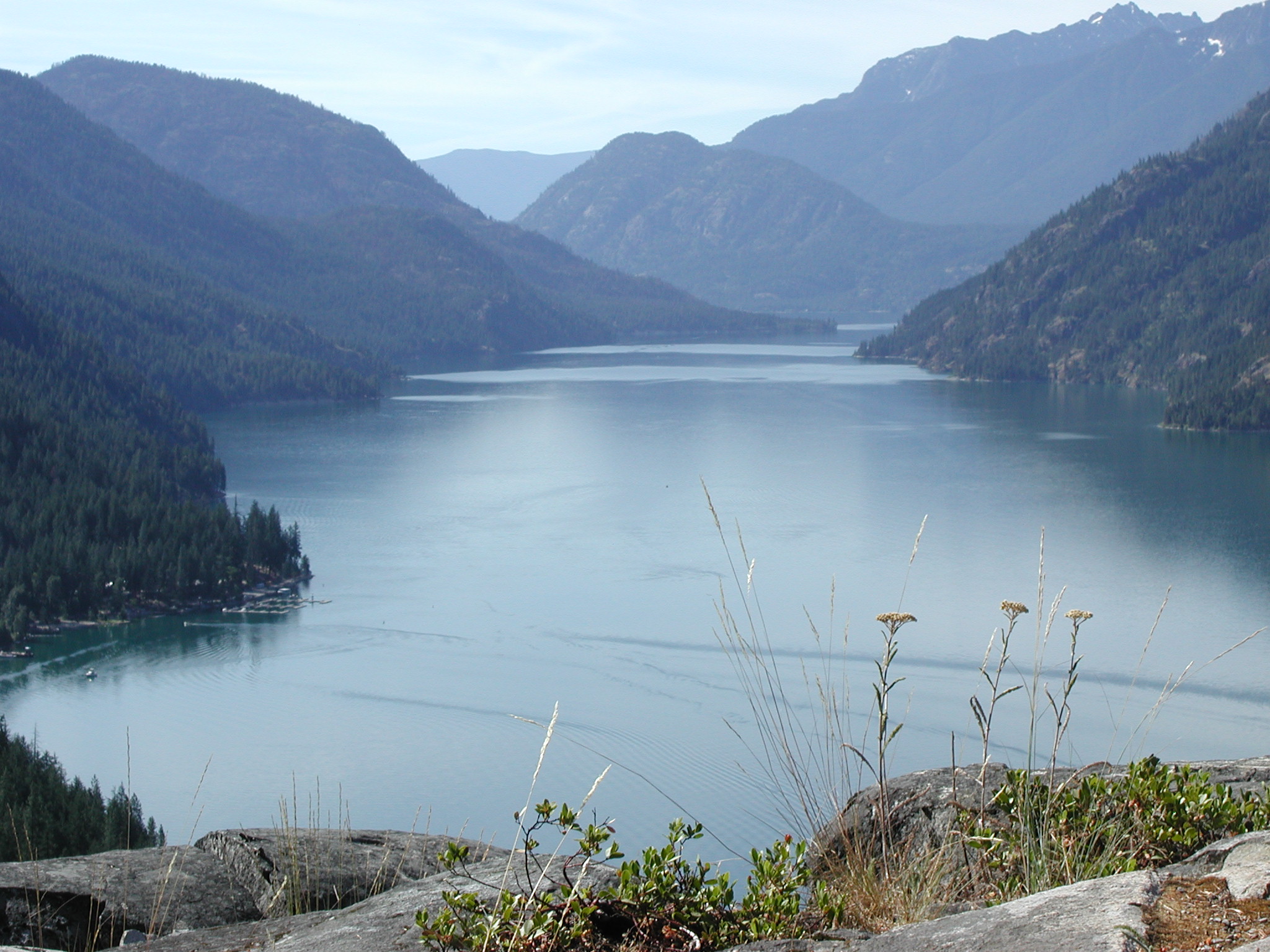
Hábitat: Mountain regions
The Pinemat Manzanita is a low-growing, mat-forming shrub with smooth, reddish-brown bark that peels in thin strips. It has small, oval, leathery evergreen leaves and clusters of tiny, urn-shaped flowers that range from white to pink.
Categoría
PlantasRareza
Common
Peligro
1/5 · Muy bajo
Snaps
¡Sé la primera persona en hacer un snap!
Its name 'Manzanita' means 'little apple' in Spanish, referring to its tiny, apple-like fruits!
Some people say its peeling bark looks like sunburnt skin, revealing a smoother layer underneath!
The sticky residue on its leaves helps the plant protect itself from insects and diseases!
This amazing plant can live for hundreds of years, growing slowly and steadily on the ground!
Pinemat Manzanita can resprout from its base even after a wildfire, helping it quickly recover.
Pinemat Manzanita has small, waxy leaves that help it conserve water, allowing it to thrive in dry conditions.
Pinemat Manzanita has tough roots that can access nutrients and moisture in poor, rocky soils.
Odocoileus hemionus
Deer browse on its leaves and tender twigs, especially in winter.
Bombus vosnesenskii
Bees are primary pollinators, visiting its bell-shaped flowers for nectar.
Turdus migratorius
Birds consume its berries, helping to disperse its seeds to new areas.
Las plantas con flores son cualquier planta que produce flores como parte de su ciclo reproductivo.
Un arbusto es una planta leñosa más pequeña que un árbol, típicamente con múltiples tallos que se ramifican desde o cerca del suelo.
Las plantas de floración primaveral producen sus flores durante la temporada de primavera, lo que a menudo significa el final del invierno y el comienzo de un nuevo crecimiento.
Las plantas de hoja perenne conservan su follaje durante todo el año, sin perder nunca todas sus hojas a la vez.

Las plantas tolerantes a la sequía pueden sobrevivir y florecer en condiciones de escasa disponibilidad de agua.

Describe plantas que son particularmente atractivas y beneficiosas para una amplia variedad de organismos polinizadores.

Este rasgo de hábitat identifica a las especies que se encuentran en regiones montañosas, caracterizadas por su gran altitud, pendientes pronunciadas y zonas climáticas variables.

Describe organismos que transfieren polen, permitiendo la fertilización y reproducción de las plantas.
Todavía no hay alias listados.
Peligro
1/5 · Muy bajo
Be careful not to touch sharp branches when exploring!
10-60 cm
50-200 cm
0.5-0.7 cm
Primavera
Sí
Leve
Perenne
Insectos
Acércate para separar los grupos y explorar dónde se ha fotografiado este objeto.
Los snaps recientes aparecerán aquí a medida que se añadan nuevas observaciones.