Pisaster giganteus
Pisaster giganteus
La estrella de mar del Pacífico, o Pisaster giganteus, es una estrella de mar colorida que se encuentra en el océano. ¡Tiene cinco brazos y puede ser morada, naranja o incluso amarilla! A estas estrellas de mar les encanta aferrarse a las rocas y explorar las pozas de marea.
Hábitat: Zonas costeras
La Pisaster giganteus es una estrella de mar grande, típicamente de color púrpura, marrón o rojo, a menudo adornada con prominentes y romas espinas blancas que forman una llamativa red en su superficie dorsal. Sus cinco robustos brazos irradian de un disco central.
Categoría
InvertebrateRareza
Common
Peligro
1/5 · Muy bajo
Snaps
1
¡Las estrellas de mar gigantes no tienen cerebro ni sangre, pero aun así prosperan!
¡Algunas estrellas de mar gigantes sorprendentemente tienen seis o incluso siete brazos!
Todo su cuerpo está cubierto de pequeñas y duras placas esqueléticas llamadas osículos.
¡Respiran usando diminutas branquias cutáneas con forma de pluma por toda su espalda!
La Pisaster giganteus puede regenerar los brazos perdidos gracias a células especializadas que les ayudan a recuperarse de lesiones.
La Pisaster giganteus tiene cientos de potentes pies ambulacrales que les ayudan a aferrarse firmemente a las rocas y a arrastrarse lentamente por el lecho marino.
La Pisaster giganteus puede empujar su estómago fuera de su cuerpo para digerir a sus presas, lo que les ayuda a comer animales grandes o con concha.
La Pisaster giganteus puede detectar sustancias químicas en el agua, lo que les ayuda a localizar presas como mejillones a distancia.
Un cazador lento pero poderoso, esta estrella de mar se alimenta de criaturas con concha como mejillones y percebes.
Mytilus californianus
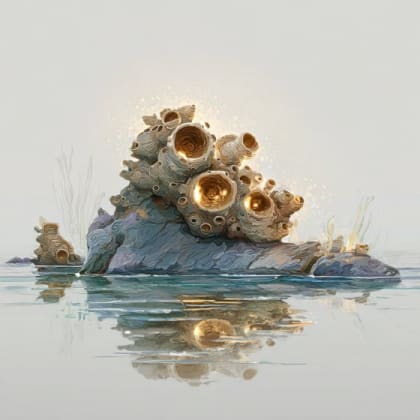
Son una presa favorita para esta estrella de mar.
Balanus glandula
Estas estrellas de mar abren y digieren los percebes.
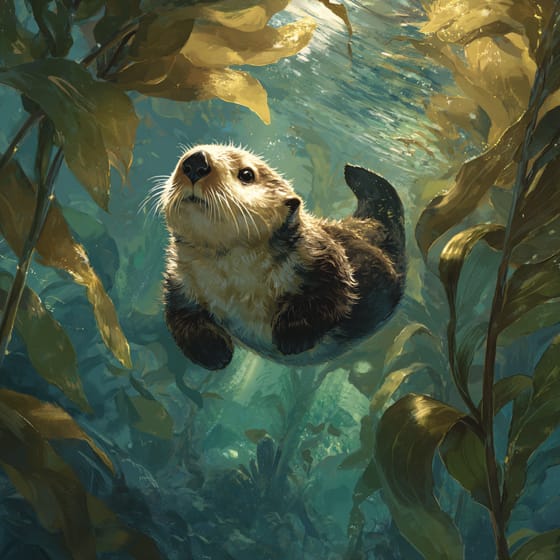
Enhydra lutris
Las nutrias marinas a veces depredan estrellas de mar.
%2C_Point_Lobos%2C_CA%2C_US_-_May_2013.jpg&width=800)
Larus occidentalis
Las gaviotas pueden comer estrellas de mar expuestas durante la marea baja.
Los animales solitarios viven solos durante la mayor parte de su vida y solo interactúan con otros para aparearse o cuidar de sus crías.
Colorido describe a organismos u objetos que exhiben una amplia variedad de colores brillantes y distintivos.
Los filtradores obtienen nutrientes filtrando partículas de alimentos suspendidos y pequeños organismos del agua.
Los hábitats costeros son entornos dinámicos situados a lo largo de la interfaz entre la tierra y el mar, influenciados por las mareas, las olas y el agua salada.

Este rasgo identifica a los organismos cuya dieta consiste total o principalmente en tejido animal.

Describe una especie cuya presencia y papel tienen un efecto desproporcionadamente grande en su entorno.
Los organismos regenerativos poseen la capacidad de volver a desarrollar partes del cuerpo, tejidos u órganos perdidos o dañados.

Los hábitats marinos abarcan todos los entornos de agua salada de los océanos de la Tierra, sustentando una inmensa diversidad de vida acuática.

El estado de peligro de extinción indica que una especie corre un riesgo muy alto de extinguirse en estado silvestre en un futuro próximo.
Peligro
1/5 · Muy bajo
No toques las estrellas de mar sin preguntar a un adulto, ya que necesitan permanecer en su hogar oceánico.
La forma más fácil de identificar a Pisaster giganteus es usar la aplicación de identificación de naturaleza Snappit.
10-30 cm
0.5-3 kg
10-20 años
0.01 km/h
Un cazador lento pero poderoso, esta estrella de mar se alimenta de criaturas con concha como mejillones y percebes.
Zonas costeras
Búsqueda De Alimento
Acércate para separar los grupos y explorar dónde se ha fotografiado este objeto.

California, US
Puedes ver Pasionaria De Tallo Corchoso y Burbuja Cristalina Ampollada.
Ver guía →
California, US
Puedes ver Pasionaria De Tallo Corchoso y Burbuja Cristalina Ampollada.
Ver guía →
Llévate el descubrimiento
Haz una foto con Snappit, identifica la especie y guarda el hallazgo en tu colección.