






Plains Pricklypear
Opuntia polyacantha
The Plains Pricklypear is a fun cactus that grows in the wild! It has flat pads and bright yellow flowers that turn into tasty fruits called prickly pears.
Hábitat: Grasslands
The Plains Pricklypear has flattened, oval-shaped green pads covered in numerous sharp spines and tiny barbed glochids. Its striking yellow flowers, sometimes tinged with red, blossom from the edges of these pads. The plant often forms dense, low-growing clumps.
Categoría
PlantasRareza
Common
Peligro
2/5 · Bajo
Snaps
¡Sé la primera persona en hacer un snap!
Each spine on its pads is actually a modified leaf, hardened for protection!
Its fruits, called "tunas," are sweet and often purple or red!
Some Plains Pricklypears can grow to be over 20 years old!
Tiny, hair-like barbs called glochids are super tricky to remove from skin!
Plains Pricklypear has thick, succulent pads that store water, helping it survive long droughts.
Its sharp spines and tiny glochids protect it from hungry animals looking for a watery snack.
Plains Pricklypear has an extensive root system that effectively soaks up precious water from dry soils.
Pecari tajacu
fruit and pads provide vital water and food.
Cynomys ludovicianus
consumes pads and roots.
Apis mellifera
gathers nectar and pollen from flowers.
Bombus occidentalis
efficiently pollinates its vibrant blooms.
Las plantas con flores son cualquier planta que produce flores como parte de su ciclo reproductivo.
Las plantas frutales producen frutos, que son los ovarios maduros de las plantas con flores que contienen semillas.
Se refiere a las plantas que tienen tallos cubiertos de proyecciones puntiagudas y afiladas para defenderse.
Las plantas suculentas tienen partes engrosadas y carnosas, generalmente hojas o tallos, adaptadas para almacenar agua en climas áridos.

Las plantas tolerantes a la sequía pueden sobrevivir y florecer en condiciones de escasa disponibilidad de agua.

Las plantas comestibles son aquellas partes de una planta que se consideran seguras para el consumo humano.

Describe plantas que son particularmente atractivas y beneficiosas para una amplia variedad de organismos polinizadores.

Los hábitats de pastizales son biomas terrestres dominados por pastos y plantas herbáceas, que sustentan a una variedad de animales de pastoreo.

Los hábitats desérticos son regiones áridas caracterizadas por precipitaciones extremadamente bajas y, a menudo, temperaturas extremas, que albergan una flora y fauna especializadas.
Peligro
2/5 · Bajo
Be careful not to touch the spines on the cactus; they can be sharp!
10-60 cm
50-200 cm
4-8 cm
Late Spring to Early Summer
Sí
Leve
Perenne
Insectos
Acércate para separar los grupos y explorar dónde se ha fotografiado este objeto.
Los snaps recientes aparecerán aquí a medida que se añadan nuevas observaciones.
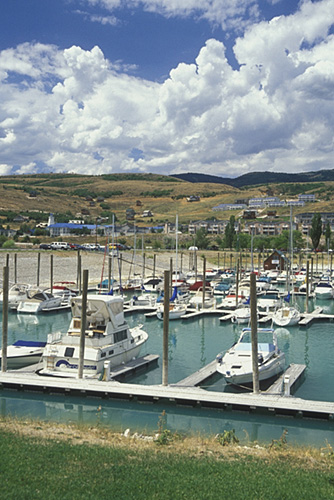
Utah, US
Puedes ver Barnacla Canadiense y Redstem Stork's-Bill.
Ver guía →
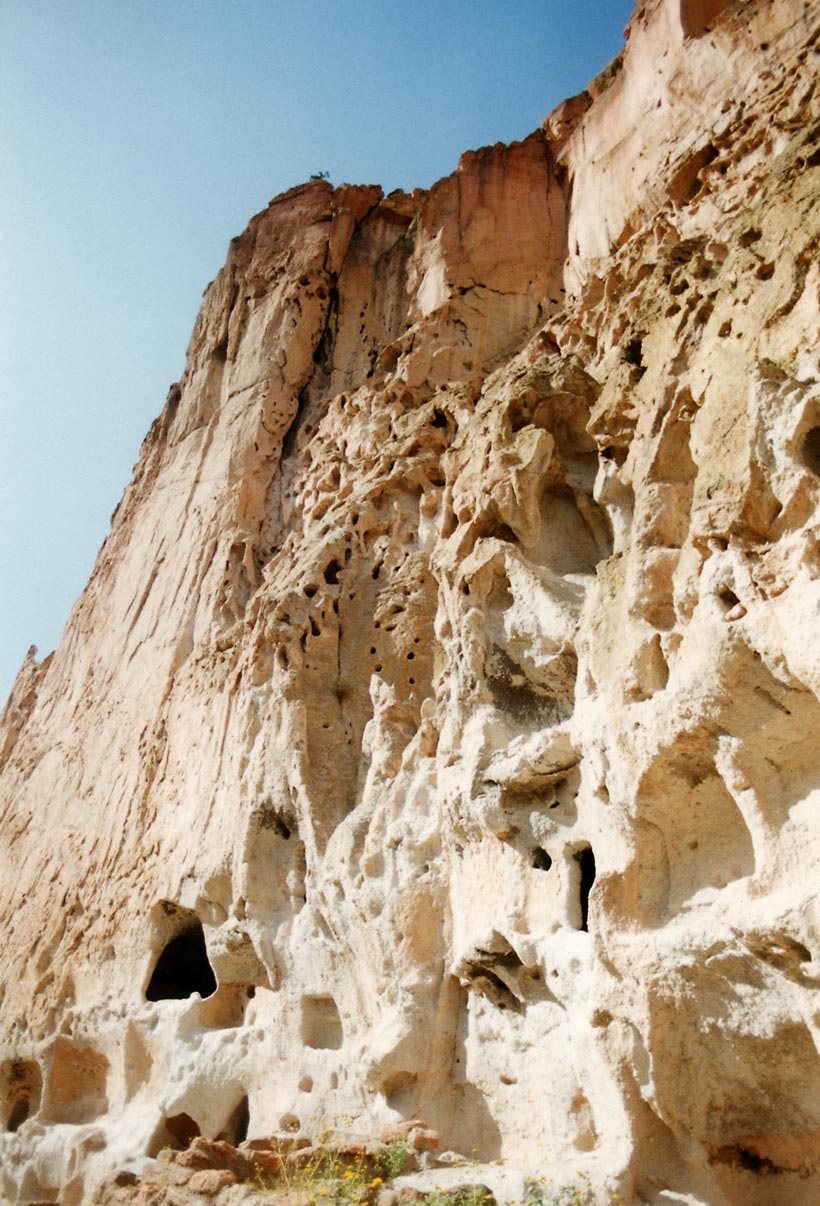
New Mexico, US
Puedes ver Tree Cholla, Ciervo Mulo y Sacred Datura.
Ver guía →

Nebraska, US
Puedes ver Great Plains Yucca, Plains Pricklypear y Winterfat.
Ver guía →

Montana, US
Puedes ver Borrego Cimarrón y Curlleaf Mountain Mahogany.
Ver guía →

New Mexico, US
Puedes ver Lagartija De Manchas Laterales Común y Kingcup Cactus.
Ver guía →
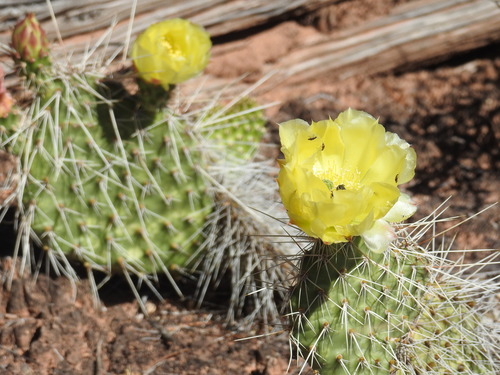
South Dakota, US
Puedes ver Plains Pricklypear.
Ver guía →
















