




Platycerus caraboides
Platycerus caraboides
El Platycerus caraboides es un escarabajo brillante y colorido al que le encanta esconderse en los bosques. Tiene un cuerpo plano y a menudo se puede encontrar en árboles o cerca de plantas.
Hábitat: Bosques
El Platycerus caraboides es un escarabajo relativamente pequeño, que a menudo exhibe un hermoso brillo iridiscente verde, azul o bronce. Tiene un cuerpo algo aplanado y mandíbulas notorias, aunque no excesivamente grandes, especialmente en los machos, lo que ayuda a distinguirlo.
Categoría
InsectosRareza
Common
Peligro
1/5 · Muy bajo
Snaps
¡Sé la primera persona en hacer un snap!
¡A pesar de su pequeño tamaño, es un verdadero miembro de la impresionante familia de los escarabajos ciervo!
¡Su etapa larval puede durar hasta tres años, mayormente oculta dentro de madera en descomposición!
¡Los escarabajos machos tienen mandíbulas ligeramente más grandes que las hembras!
¡Este escarabajo puede volar bien, pero a menudo prefiere arrastrarse por troncos y hojas!
Las larvas de Platycerus caraboides pueden masticar y digerir madera en descomposición gracias a piezas bucales especializadas que les ayudan a obtener nutrientes de material resistente.
El Platycerus caraboides tiene un exoesqueleto iridiscente que le ayuda a mimetizarse con su hábitat forestal al reflejar varios colores de luz.
El Platycerus caraboides tiene una dura concha quitinosa que le protege de depredadores y daños ambientales, actuando como un escudo resistente.
Las larvas mordisquean madera en descomposición, mientras que los adultos pueden sorber savia de árboles o no alimentarse mucho en absoluto.
Diferencias por edad: Las larvas comen madera en descomposición, mientras que los adultos pueden alimentarse de savia o no alimentarse en absoluto antes de la reproducción.
Quercus robur
las larvas se alimentan de su madera en descomposición
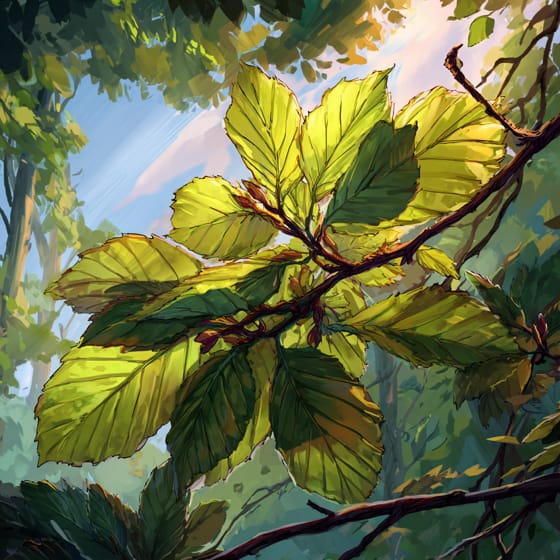
Fagus sylvatica
las larvas también se desarrollan en su madera muerta
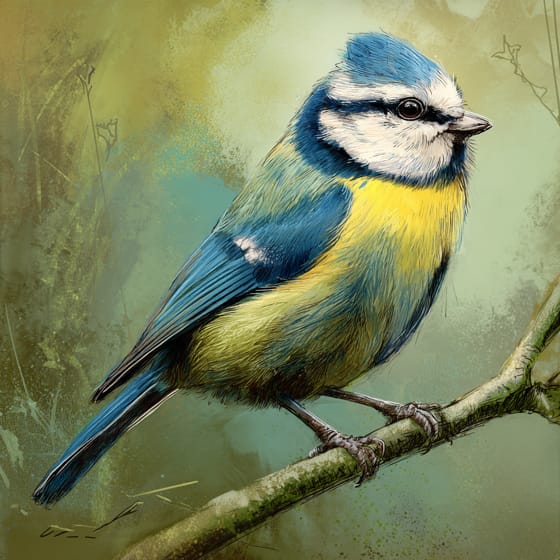
Cyanistes caeruleus
los escarabajos adultos pueden ser presa de aves
Myodes glareolus
pequeños mamíferos podrían consumir adultos
Los animales solitarios viven solos durante la mayor parte de su vida y solo interactúan con otros para aparearse o cuidar de sus crías.
Los carroñeros consumen materia orgánica muerta, ayudando a descomponer los cadáveres y otros desechos en el ecosistema.
Colorido describe a organismos u objetos que exhiben una amplia variedad de colores brillantes y distintivos.
Los hábitats boscosos son entornos terrestres dominados por una densa cubierta arbórea, que sustentan una gran diversidad de vida animal y vegetal.

Describe a los organismos que descomponen la materia orgánica muerta, reciclando los nutrientes de vuelta al ecosistema.

Los animales diurnos están activos principalmente durante el día y suelen descansar o dormir por la noche.
Todavía no hay alias listados.
Peligro
1/5 · Muy bajo
Sé cuidadoso y mira dónde pisas para proteger a pequeños escarabajos como este.
La forma más fácil de identificar a Platycerus caraboides es usar la aplicación de identificación de naturaleza Snappit.
10-16 mm
30-60 días
Las larvas mordisquean madera en descomposición, mientras que los adultos pueden sorber savia de árboles o no alimentarse mucho en absoluto.
Bosques
Forrajeo
6
Acércate para separar los grupos y explorar dónde se ha fotografiado este objeto.
Los snaps recientes aparecerán aquí a medida que se añadan nuevas observaciones.
Llévate el descubrimiento
Haz una foto con Snappit, identifica la especie y guarda el hallazgo en tu colección.








.jpg&width=800)


