poison hemlock
Conium maculatum
Poison hemlock is a tall plant with pretty white flowers that can be found in some fields and along roadsides. It is very important to remember that this plant is not safe to touch or eat!
Hábitat: Wetlands
The poison hemlock has hollow stems marked with distinctive purple blotches, and finely divided, fern-like leaves. Its small white flowers grow in flat-topped clusters resembling tiny umbrellas.
Categoría
PlantasRareza
Rare
Peligro
5/5 · Extremo
Snaps
¡Sé la primera persona en hacer un snap!
Even touching poison hemlock can cause a rash or skin irritation for some sensitive people.
Its scientific name, Conium, means “whirl” or “dizzy” in Greek, describing its effect.
Socrates, a famous ancient Greek, was condemned to die by drinking poison hemlock.
This plant is often mistaken for edible wild carrots or parsley, which is very dangerous!
Poison hemlock produces potent alkaloids, helping it defend against almost all hungry animals that try to eat it.
Poison hemlock can rapidly grow and spread in disturbed soils, helping it quickly outcompete native plants for space.
Poison hemlock produces thousands of tiny seeds per plant, ensuring its successful reproduction and wide dispersal.
Apis mellifera
Visits flowers, but nectar can be toxic.
Musca domestica
One of many generalist insect pollinators.
Cavariella aegopodii
Specialized aphid feeds on its sap.
Marcado con manchas o parches de un color diferente.
Las plantas con flores son cualquier planta que produce flores como parte de su ciclo reproductivo.
Las plantas bienales completan su ciclo de vida en dos temporadas de crecimiento, formando típicamente follaje en el primer año y floreciendo o semillando en el segundo.
Este rasgo de hábitat identifica especies que se encuentran en humedales, que son áreas de tierra saturadas de agua, ya sea permanente o estacionalmente, e incluyen marismas, pantanos y ciénagas.

Este rasgo indica que los organismos pertenecen a un grupo evolutivo muy antiguo con antepasados que se remontan a millones de años.

Los organismos tóxicos contienen sustancias que son venenosas y pueden causar efectos adversos al estar expuestos a ellas.

Los organismos venenosos producen toxinas que pueden causar daño si se ingieren, inhalan o absorben por contacto.
Todavía no hay alias listados.
Peligro
5/5 · Extremo
Never touch or eat any part of the poison hemlock plant. Always ask an adult if you're unsure about a plant.
100-300 cm
50-100 cm
0.2-0.5 cm
Late spring to summer
No
Deadly
Bienal
Insectos
Acércate para separar los grupos y explorar dónde se ha fotografiado este objeto.
Los snaps recientes aparecerán aquí a medida que se añadan nuevas observaciones.
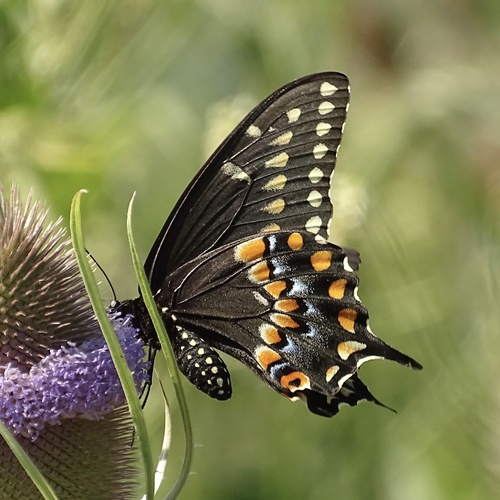
Virginia, US
Puedes ver Mariposa Cometa Negra, Poison Hemlock y Crape-Myrtles.
Ver guía →
.jpg)
South Dakota, US
Puedes ver Rana Leopardo, Tordo Sargento y Dame's Rocket.
Ver guía →
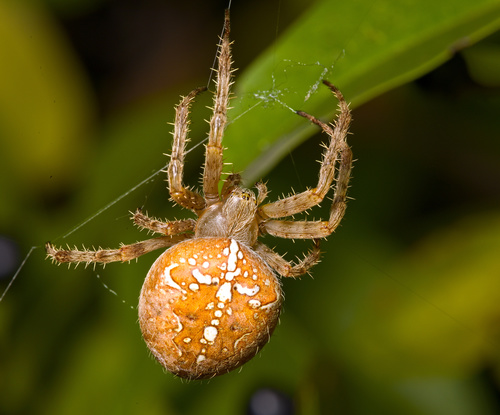
Washington, US
Puedes ver Araña De Jardín, Fringed Willowherb y Yellow-Faced Bumble Bee.
Ver guía →

Washington, US
Puedes ver California Bumble Bee, Yellow-Faced Bumble Bee y Autumn Olive.
Ver guía →
.jpg)
Washington, US
Puedes ver Cuervo Americano, Redstem Stork's-Bill y Junco Ojioscuro.
Ver guía →




.jpg&width=800)







_Sesbania_punicea_-_Les_Martels%2C_Giroussens_Tarn.jpg&width=800)