






Poisonwood
Metopium toxiferum
The Poisonwood tree is a special tree found in tropical areas. It has shiny green leaves and can grow very tall. But be careful! Its sap can make your skin itchy.
Hábitat: Tropical forests
The Poisonwood is a medium-sized tree with shiny, reddish-brown bark that peels in large flakes. Its leaves are glossy, bright green, often with reddish stems, and its small, yellowish-green flowers are followed by distinctive reddish-orange, berry-like fruits.
Categoría
PlantasRareza
Common
Peligro
4/5 · Alto
Snaps
¡Sé la primera persona en hacer un snap!
Despite its toxicity, White-crowned Pigeons safely eat its poisonous fruits!
Even the smoke from burning Poisonwood can cause dangerous skin and lung reactions!
Its sap turns black on contact with air and skin, leaving long-lasting dark stains!
The Poisonwood is in the same plant family as cashews and mangoes!
Poisonwood can defend itself with a potent, clear sap that causes severe allergic reactions, deterring most herbivores and humans.
Poisonwood has bright, reddish-orange fruits that may serve as a visual warning, signaling its toxicity to many potential threats.
Poisonwood can thrive in harsh coastal environments, thanks to its ability to tolerate salt spray and nutrient-poor soils.
.jpg&width=800)
Columba leucocephala
Feeds on its ripe, toxic fruits without harm.
Apis mellifera
Gathers nectar from its small, inconspicuous flowers.
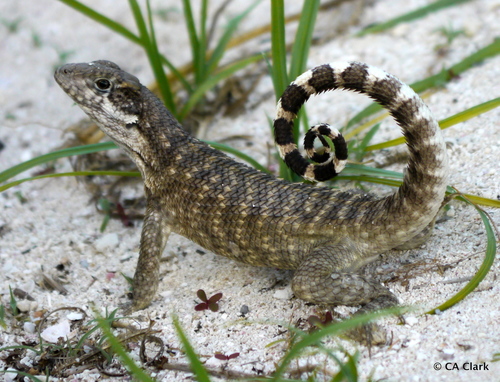
Anolis carolinensis
Hides among its dense foliage from predators.
Las plantas caducifolias pierden periódicamente todas sus hojas, por lo general durante el otoño o las estaciones secas.
Las plantas con flores son cualquier planta que produce flores como parte de su ciclo reproductivo.
Las plantas de hoja perenne conservan su follaje durante todo el año, sin perder nunca todas sus hojas a la vez.
Los árboles de hoja ancha son angiospermas caracterizadas por hojas planas y anchas que típicamente se caen anualmente en climas templados.

Los organismos tóxicos contienen sustancias que son venenosas y pueden causar efectos adversos al estar expuestos a ellas.

Los organismos venenosos producen toxinas que pueden causar daño si se ingieren, inhalan o absorben por contacto.

El estado de peligro de extinción indica que una especie corre un riesgo muy alto de extinguirse en estado silvestre en un futuro próximo.
Todavía no hay alias listados.
Peligro
4/5 · Alto
Do not touch the leaves or sap of the Poisonwood tree, as it can make your skin itchy.
200-1500 cm
300-800 cm
0.3-0.5 cm
Primavera
No
Deadly
Perenne
Insectos
Acércate para separar los grupos y explorar dónde se ha fotografiado este objeto.
Los snaps recientes aparecerán aquí a medida que se añadan nuevas observaciones.




_BHL23630341.jpg&width=800)



_(34321014735).jpg&width=800)




_02.jpg&width=800)

