

Prairie Falcon
falco mexicanus
The Prairie Falcon is a master of the open skies across the arid West of North America. Renowned for its blistering speed and aggressive hunting tactics, this medium-sized falcon is perfectly adapted to life in grasslands, shrub-steppes, and deserts. Unlike its famous relative, the Peregrine Falcon, which often dives from extreme heights, the Prairie Falcon typically hunts close to the ground, using stealth and rapid, low-altitude flights to surprise its prey. Bird watchers and raptor enthusiasts are drawn to its fierce demeanor and incredible aerial maneuverability, which allow it to thrive in rugged, dry landscapes where other predators might struggle.
Hábitat: Typically found in open, arid country such as deserts, shrub-steppes, grasslands, and agricultural fields, often nesting on steep, rocky cliffs.
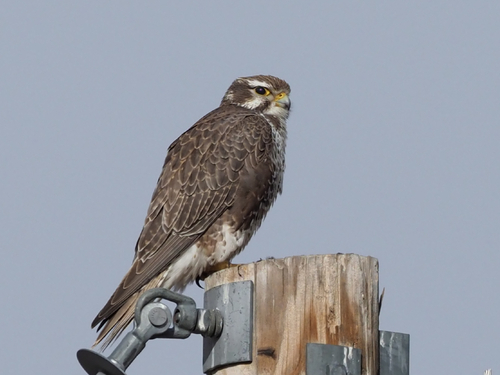
Sandy-brown above and pale below with brown streaking, the Prairie Falcon is easily distinguished by its prominent dark "armpits" (axillaries) visible beneath its wings during flight. It possesses a relatively pale face compared to other falcons, featuring a narrow dark mustache stripe and a white line above each eye. Its wings are long and pointed, while its tail is moderately long and squared at the tip. Females are drainage-wise larger than males, though both sexes share the same cryptic coloration that blends seamlessly into dry, rocky, and grassy environments.
Categoría
AvesRareza
Common
Peligro
1/5 · Muy bajo
Snaps
¡Sé la primera persona en hacer un snap!
Instead of building their own nests, Prairie Falcons typically lay their eggs directly on rocky ledges, crevices, or the abandoned nests of ravens or hawks.
Their dark underwing 'armpits' are so distinctive that birdwatchers use them as a primary identification mark when the bird is soaring overhead.
They are known to play-fight and chase other raptors, including much larger Golden Eagles, to defend their nesting territories.
Unlike falcons that dive from high altitudes, the Prairie Falcon specializes in flying extremely close to the ground to surprise terrestrial prey.
The distinct dark patches under their wings may help disrupt their silhouette against the bright sky when viewed from below.
They have highly efficient kidneys and derive most of their water from their prey, allowing them to thrive in extremely dry environments without needing standing water.
Feeds primarily on small mammals and birds, relying on speed and ground-hugging surprise attacks to secure its prey.
Diferencias por edad: Chicks are fed smaller birds and soft insects initially, progressing to larger mammals and birds as they develop hunting skills.
Urocitellus townsendii
Commonly hunted as a primary food source, especially during the nesting season.
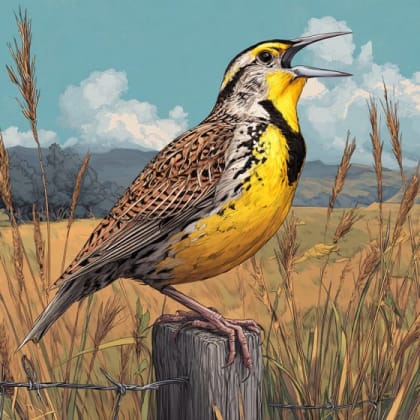
Eremophila alpestris
Preyed upon as a key avian target in open environments.
Aquila chrysaetos
Competes for nesting sites on cliffs and occasionally preys upon young falcons.
Aún no hay insignias de rasgos asignadas a este objeto.
Todavía no hay alias listados.
Las colecciones para este objeto aparecerán aquí a medida que se añadan más temas.
Peligro
1/5 · Muy bajo
Todavía no hay notas especiales de seguridad.
La forma más fácil de identificar a Prairie Falcon es usar la aplicación de identificación de naturaleza Snappit.
37-47 cm
90-113 cm
0.5-1.1 kg
10-17 años
145 km/h
Feeds primarily on small mammals and birds, relying on speed and ground-hugging surprise attacks to secure its prey.
Typically found in open, arid country such as deserts, shrub-steppes, grasslands, and agricultural fields, often nesting on steep, rocky cliffs.
Acércate para separar los grupos y explorar dónde se ha fotografiado este objeto.
Los snaps recientes aparecerán aquí a medida que se añadan nuevas observaciones.