






prairie smoke
Geum triflorum
Prairie smoke is a beautiful flower that grows in grassy areas. Its fluffy, pinkish seed heads look like little puffs of smoke, making it a fun sight in nature!
Hábitat: Grasslands
The prairie smoke has nodding, bell-shaped flowers, often pink or reddish, that never fully open. Its most distinct feature is the fuzzy, feather-like seed heads that emerge after blooming, resembling wisps of smoke.
Categoría
PlantasRareza
Common
Peligro
1/5 · Muy bajo
Snaps
¡Sé la primera persona en hacer un snap!
After blooming, the fluffy seed heads shimmer and wave, truly looking like puffs of pink smoke!
Its unique flowers stay mostly closed, keeping delicate pollen safe and dry inside!
Native Americans traditionally used parts of this plant for various medicinal purposes, like soothing teas!
You can often spot prairie smoke as one of the very first colorful wildflowers to appear in spring!
Prairie smoke has long, feathery seed tails that catch the wind, allowing its seeds to float away and spread far from the parent plant.
Prairie smoke can bloom very early in spring, taking advantage of sunlight before larger plants grow tall and create too much shade.
Prairie smoke has strong, deep rhizomatous roots that help it survive droughts and wildfires common in its native prairie habitats.

Bombus bimaculatus
It collects nectar and pollen from the early spring flowers.
Apis mellifera
Visits the flowers for nectar and helps spread pollen.
Odocoileus virginianus
Deer may browse the leaves and stems, especially when young.
Stenoptilia pterodactyla
Its larvae feed on the developing seeds of the plant.
Las plantas caducifolias pierden periódicamente todas sus hojas, por lo general durante el otoño o las estaciones secas.
Las plantas con flores son cualquier planta que produce flores como parte de su ciclo reproductivo.
Las plantas de floración primaveral producen sus flores durante la temporada de primavera, lo que a menudo significa el final del invierno y el comienzo de un nuevo crecimiento.
Las flores fragantes emiten un aroma agradable, a menudo para atraer polinizadores o como defensa.

Describe plantas que son particularmente atractivas y beneficiosas para una amplia variedad de organismos polinizadores.

Los hábitats de pastizales son biomas terrestres dominados por pastos y plantas herbáceas, que sustentan a una variedad de animales de pastoreo.
Peligro
1/5 · Muy bajo
Always look but don't touch wild plants unless an adult says it's okay.
20-40 cm
30-50 cm
1-2 cm
Primavera
No
Ninguna
Perenne
Insectos
Acércate para separar los grupos y explorar dónde se ha fotografiado este objeto.
Los snaps recientes aparecerán aquí a medida que se añadan nuevas observaciones.

Wyoming, US
Puedes ver Pino Contorta, Flowery Phlox y Alce.
Ver guía →
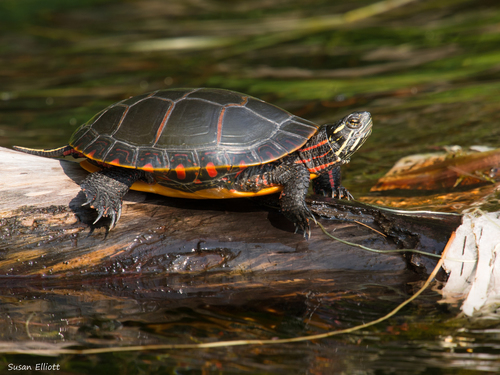
British Columbia, CA
Puedes ver Tortuga Pintada, Antelope Bitterbrush y Western Tiger Beetle.
Ver guía →
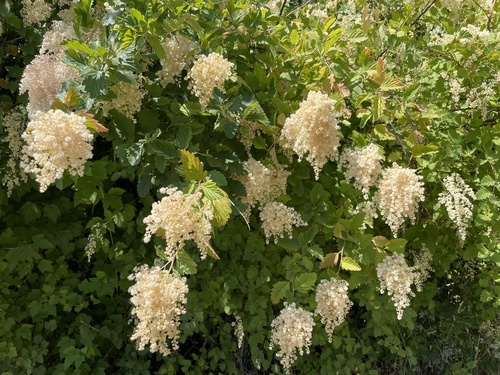
British Columbia, CA
Puedes ver Ocean Spray, Rocky Mountain Woodsia y Prairie Smoke.
Ver guía →














.jpg&width=800)
