prairie trillium
Trillium recurvatum
Prairie trillium is a lovely flower that blooms in spring. It has three petals that can be purple or yellow and grows close to the ground in shady areas.
Hábitat: Woodlands
The prairie trillium has three maroon to reddish-purple petals that famously curve backward and stand upright. It features three broad, mottled leaves, often with dark spots, arranged in a distinctive whorl below its single, three-petaled flower.
Categoría
PlantasRareza
Common
Peligro
1/5 · Muy bajo
Snaps
¡Sé la primera persona en hacer un snap!
Its unique flower color helps attract special insect friends, like flies and beetles, for pollination.
Look closely! The prairie trillium's leaves often have cool, dark spots, like they're wearing camouflage!
Prairie trilliums are super slow; it can take seven years to bloom from a tiny seed!
Some people call it 'wake-robin' because it often blooms when robins return in spring!
Prairie trillium seeds have a fatty snack called an elaiosome that attracts ants, which carry seeds away to help them spread.
Prairie trillium has a strong underground stem (rhizome) that stores energy, helping it survive cold winters and bloom year after year.
Its leaves often have dark, mottled patterns that help the plant blend in with the dappled sunlight and shadows of the forest floor.
Odocoileus virginianus
Deer graze on the plant's leaves and flowers.

Aphaenogaster rudis
Ants carry seeds for their elaiosome, aiding dispersal.
Lucilia sericata
Flies are attracted to the flower's scent for pollination.
Las plantas caducifolias pierden periódicamente todas sus hojas, por lo general durante el otoño o las estaciones secas.
Las plantas con flores son cualquier planta que produce flores como parte de su ciclo reproductivo.
Las plantas de floración primaveral producen sus flores durante la temporada de primavera, lo que a menudo significa el final del invierno y el comienzo de un nuevo crecimiento.
Las plantas tolerantes a la sombra están adaptadas para crecer y prosperar en áreas con bajos niveles de luz, requiriendo menos luz solar directa.

Colorido describe a organismos u objetos que exhiben una amplia variedad de colores brillantes y distintivos.

Describe plantas que son particularmente atractivas y beneficiosas para una amplia variedad de organismos polinizadores.

Los hábitats boscosos son entornos terrestres dominados por una densa cubierta arbórea, que sustentan una gran diversidad de vida animal y vegetal.

El estado de peligro de extinción indica que una especie corre un riesgo muy alto de extinguirse en estado silvestre en un futuro próximo.
Peligro
1/5 · Muy bajo
Do not pick flowers; they are best enjoyed in nature.
15-40 cm
15-30 cm
2-5 cm
Primavera
No
Leve
Perenne
Insectos
Acércate para separar los grupos y explorar dónde se ha fotografiado este objeto.
Los snaps recientes aparecerán aquí a medida que se añadan nuevas observaciones.

Wisconsin, US
Puedes ver Ciervo De Cola Blanca, Common Eastern Bumble Bee y Pato.
Ver guía →
Indiana, US
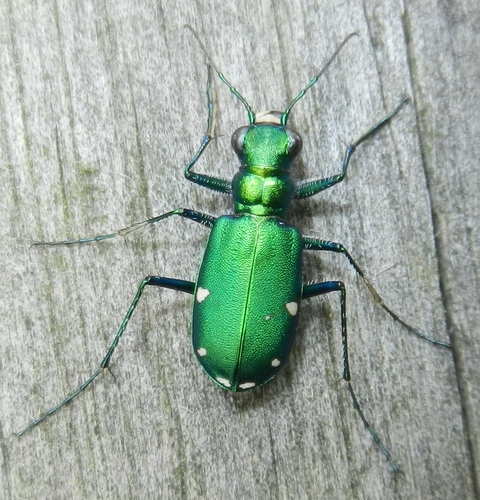
Puedes ver Six-Spotted Tiger Beetle, Garlic Mustard y Buitre.
Ver guía →

Tennessee, US
Puedes ver Red Buckeye, Prairie Trillium y Largeflower Bellwort.
Ver guía →
Tennessee, US
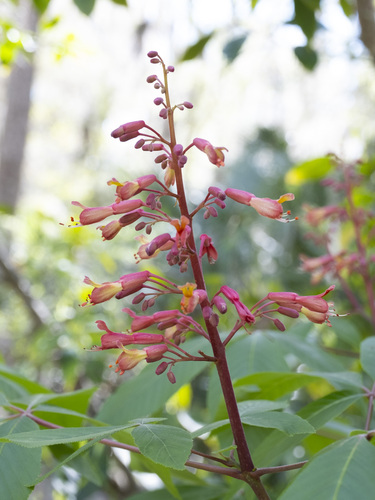
Puedes ver Red Buckeye, Aniseroot y Christmas Fern.
Ver guía →