Pride-Of-De-Kaap
bauhinia galpinii
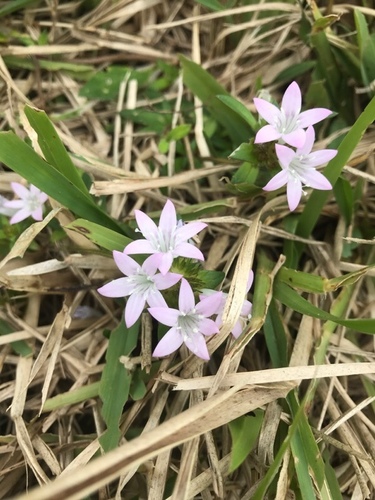
The Pride-Of-De-Kaap is a beautiful flowering plant with bright pink flowers that attract butterflies! It's often found in gardens and adds a splash of color to nature.
Hábitat: Typically found in gardens, parks, and natural woodlands.
The Pride-Of-De-Kaap is a scrambling shrub or climber that features striking brick-red to orange-red flowers, making it stand out vividly. Its unique leaves are deeply divided, resembling a butterfly's wings.
Categoría
PlantasRareza
Common
Peligro
0/5 · Sin peligro conocido
Snaps
¡Sé la primera persona en hacer un snap!
It's sometimes called 'Red Orchid Tree' because its flowers resemble exotic orchids!
Its tough, woody stems can scramble high, sometimes forming dense thickets!
The 'De Kaap' in its name refers to a valley in South Africa where it grows.
The genus *Bauhinia* is named after two twin brothers who were famous botanists.
Pride-Of-De-Kaap is a scrambling plant that helps it climb over other vegetation to reach precious sunlight.
Pride-Of-De-Kaap has thick, leathery leaves that help it survive in dry conditions and conserve vital water.
Pride-Of-De-Kaap flaunts vibrant, large, red-orange flowers that strongly attract various bird and insect pollinators.
Apis mellifera
Collects nectar and pollen from its bright flowers.
Danaus chrysippus
Feeds on nectar, helping to spread pollen.
Cinnyris afer
Sips nectar with its long beak, aiding pollination.
Papilio demodocus
Attracted to the vibrant blooms for nectar.
Los animales solitarios viven solos durante la mayor parte de su vida y solo interactúan con otros para aparearse o cuidar de sus crías.
Los animales arborícolas viven principalmente en los árboles, utilizándolos como refugio, alimento y protección contra los depredadores.
Colorido describe a organismos u objetos que exhiben una amplia variedad de colores brillantes y distintivos.
Los hábitats boscosos son entornos terrestres dominados por una densa cubierta arbórea, que sustentan una gran diversidad de vida animal y vegetal.

Describe organismos que transfieren polen, permitiendo la fertilización y reproducción de las plantas.
Peligro
0/5 · Sin peligro conocido
Todavía no hay notas especiales de seguridad.
100-500 cm
100-600 cm
5-10 cm
Late Summer to Fall
No
Ninguna
Perenne
Insectos
Acércate para separar los grupos y explorar dónde se ha fotografiado este objeto.
Los snaps recientes aparecerán aquí a medida que se añadan nuevas observaciones.