





Pristoceuthophilus
Pristoceuthophilus
Pristoceuthophilus es un tipo especial de grillo al que le encanta esconderse en la hierba y las hojas. Tienen antenas largas y emiten sonidos suaves que se pueden escuchar por la noche.
Hábitat: Pastizales
El Pristoceuthophilus es un insecto de tamaño mediano y sin alas, con un cuerpo distintivamente encorvado, a menudo brillante, de color marrón claro a oscuro. Sus características más llamativas son sus antenas extremadamente largas y filiformes, que pueden medir varias veces la longitud de su cuerpo, y sus poderosas patas traseras dobladas para saltar. A diferencia de los grillos verdaderos, carece de la capacidad de chirriar.
Categoría
InsectosRareza
Common
Peligro
1/5 · Muy bajo
Snaps
¡Sé la primera persona en hacer un snap!
¡Un Pristoceuthophilus puede regenerar una pata o antena perdida con el tiempo!
¡Si se asustan, podrían saltar directamente hacia ti, lo que puede ser toda una sorpresa!
¡Estos grillos son exploradores silenciosos, no chirrían como la mayoría de los otros grillos!
A menudo prefieren vivir en las profundidades bajo tierra, en cuevas y sótanos frescos y húmedos.
Pristoceuthophilus puede saltar distancias increíbles gracias a sus poderosas patas traseras agrandadas que les ayudan a escapar rápidamente del peligro.
Pristoceuthophilus tiene antenas extremadamente largas que les ayudan a navegar en entornos oscuros y detectar alimento o depredadores por el tacto y el olfato.
Pristoceuthophilus puede camuflarse en su entorno gracias a su coloración moteada marrón y gris que les ayuda a esconderse de los depredadores.
¡Estos comedores versátiles mastican casi cualquier cosa orgánica, desde plantas en descomposición hasta pequeños insectos!
Tegenaria domestica
Las arañas depredan sobre estos grillos.
Mus musculus
Los ratones comerán grillos de forma oportunista.
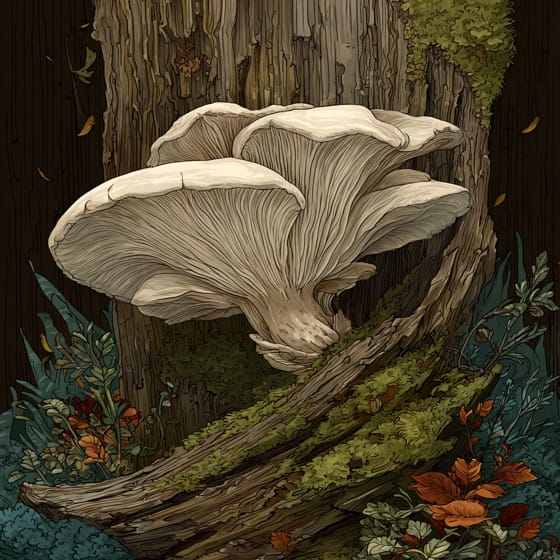
Pleurotus ostreatus
Se alimenta de hongos en descomposición.
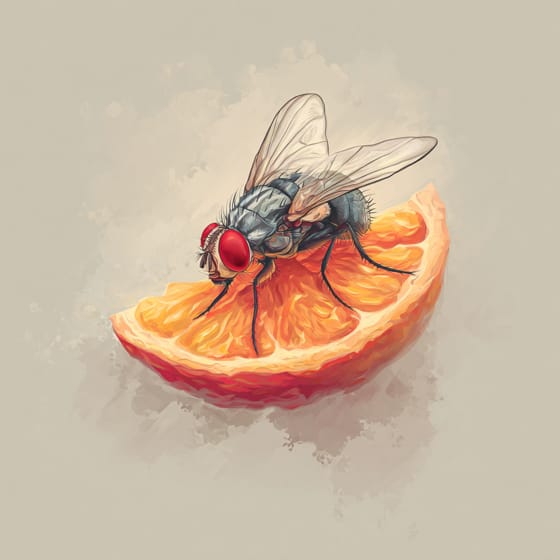
Drosophila melanogaster
Los omnívoros comen pequeños insectos.
Quercus garryana
Consume hojarasca en descomposición.
Los animales solitarios viven solos durante la mayor parte de su vida y solo interactúan con otros para aparearse o cuidar de sus crías.
Los animales cantores producen vocalizaciones complejas, a menudo con el propósito de atraer parejas, defender el territorio o comunicarse dentro de su especie.
El camuflaje describe a los organismos que poseen colores o patrones que les permiten mezclarse con su entorno.
Este rasgo caracteriza a los organismos cuya dieta consiste total o principalmente en material vegetal.

Los hábitats de pastizales son biomas terrestres dominados por pastos y plantas herbáceas, que sustentan a una variedad de animales de pastoreo.

Este rasgo identifica a los organismos que exhiben una rapidez excepcional en sus movimientos para cazar, escapar o desplazarse.

Los animales nocturnos están principalmente activos durante la noche, y suelen descansar o dormir durante el día.
Todavía no hay alias listados.
Peligro
1/5 · Muy bajo
Sé cuidadoso y silencioso al observar grillos para no asustarlos.
La forma más fácil de identificar a Pristoceuthophilus es usar la aplicación de identificación de naturaleza Snappit.
10-30 mm
400-700 días
¡Estos comedores versátiles mastican casi cualquier cosa orgánica, desde plantas en descomposición hasta pequeños insectos!
Pastizales
Forrajeo
6
Acércate para separar los grupos y explorar dónde se ha fotografiado este objeto.
Los snaps recientes aparecerán aquí a medida que se añadan nuevas observaciones.
Llévate el descubrimiento
Haz una foto con Snappit, identifica la especie y guarda el hallazgo en tu colección.







.jpg&width=800)




