





Promylea lunigerella
Promylea lunigerella
La Promylea lunigerella es una pequeña y colorida polilla a la que le encanta revolotear por jardines y campos. Sus hermosas alas pueden verse en tonos marrones y amarillos, lo que la convierte en una vista encantadora para los amantes de la naturaleza.
Hábitat: Pastizales
La Promylea lunigerella es una pequeña polilla con alas anteriores de color marrón rojizo. Cada ala anterior presenta una marca distintiva en forma de medialuna pálida, delineada en marrón oscuro cerca de su centro. Sus alas posteriores son más pálidas y grisáceas, lo que contrasta con los colores más intensos de las alas anteriores.
Categoría
InsectosRareza
Common
Peligro
1/5 · Muy bajo
Snaps
¡Sé la primera persona en hacer un snap!
Su nombre 'lunigerella' significa 'portadora de la luna', ¡en referencia a la marca en forma de luna en sus alas!
Las larvas suelen vivir en secreto dentro de los tallos de las plantas, masticando donde nadie puede verlas.
Esta polilla vuela principalmente de noche, pero a veces se siente atraída por las luces brillantes, ¡lo que hace que sea más fácil de ver!
A diferencia de algunas polillas que no comen cuando son adultas, esta especie puede sorber néctar, ¡igual que una mariposa!
La Promylea lunigerella tiene sutiles patrones marrones y de medialuna en las alas que la ayudan a camuflarse perfectamente en la corteza o las hojas secas, escondiéndose de los depredadores hambrientos.
Las larvas de Promylea lunigerella pueden perforar los tallos y raíces de las plantas, consumiendo nutrientes de forma segura mientras están protegidas bajo tierra o dentro del tejido vegetal.
La Promylea lunigerella utiliza antenas altamente sensibles para detectar feromonas y navegar en la oscuridad, lo que la ayuda a encontrar pareja y hábitats adecuados por la noche.
Las larvas mastican las raíces y los tallos de las plantas, mientras que los adultos pueden sorber néctar dulce.
Diferencias por edad: Las larvas se alimentan de tejidos vegetales, principalmente raíces y tallos, mientras que los adultos pueden sorber el néctar de las flores.
.jpg&width=800)
Artemisia vulgaris
Las larvas se alimentan de sus tallos y raíces.
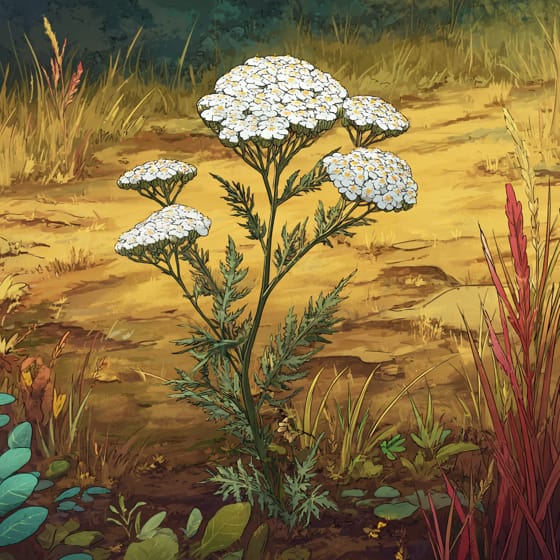
Achillea millefolium
Las larvas perforan sus tejidos vegetales para alimentarse.
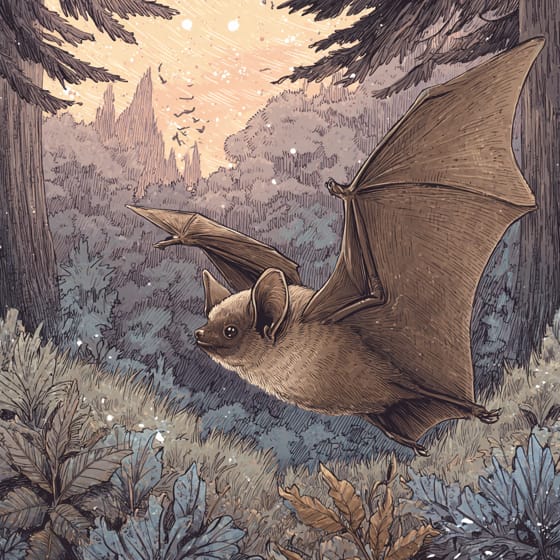
Myotis lucifugus
Los murciélagos nocturnos cazan a las polillas adultas en pleno vuelo.
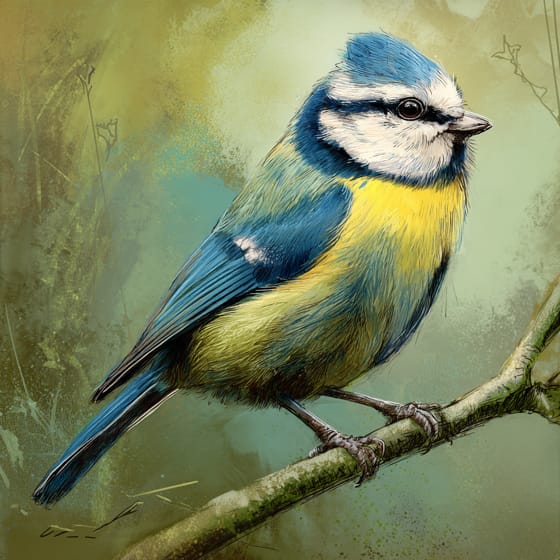
Cyanistes caeruleus
Aves como los herrerillos atrapan polillas adultas para alimentarse.
Marcado con manchas o parches de un color diferente.
Los animales solitarios viven solos durante la mayor parte de su vida y solo interactúan con otros para aparearse o cuidar de sus crías.
Colorido describe a organismos u objetos que exhiben una amplia variedad de colores brillantes y distintivos.
Este rasgo caracteriza a los organismos cuya dieta consiste total o principalmente en material vegetal.

Describe plantas que son particularmente atractivas y beneficiosas para una amplia variedad de organismos polinizadores.

Los hábitats de pastizales son biomas terrestres dominados por pastos y plantas herbáceas, que sustentan a una variedad de animales de pastoreo.

Los animales nocturnos están principalmente activos durante la noche, y suelen descansar o dormir durante el día.

Describe organismos que transfieren polen, permitiendo la fertilización y reproducción de las plantas.
Todavía no hay alias listados.
Peligro
1/5 · Muy bajo
Las polillas suelen ser inofensivas, pero es mejor observarlas desde la distancia.
La forma más fácil de identificar a Promylea lunigerella es usar la aplicación de identificación de naturaleza Snappit.
18-25 mm
9-13 mm
7-14 días
Las larvas mastican las raíces y los tallos de las plantas, mientras que los adultos pueden sorber néctar dulce.
Pastizales
Búsqueda De Alimento
6
Acércate para separar los grupos y explorar dónde se ha fotografiado este objeto.
Los snaps recientes aparecerán aquí a medida que se añadan nuevas observaciones.
Llévate el descubrimiento
Haz una foto con Snappit, identifica la especie y guarda el hallazgo en tu colección.







.jpg&width=800)



