





Prosternon bombycinum
Prosternon bombycinum
El Prosternon bombycinum es un escarabajo brillante y colorido al que le encanta esconderse bajo las hojas. Tiene una forma especial que le ayuda a camuflarse con su entorno, ¡lo que lo hace un poco difícil de detectar!
Hábitat: Bosques
El Prosternon bombycinum es un escarabajo elatérido esbelto, típicamente de 9-14 mm de largo, con un brillo metálico distintivo. Su cuerpo es a menudo de color marrón cobrizo o bronce, a veces con sutiles reflejos verdes, lo que lo hace destacar sutilmente de los escarabajos forestales más opacos.
Categoría
InsectosRareza
Common
Peligro
1/5 · Muy bajo
Snaps
¡Sé la primera persona en hacer un snap!
Los adultos a menudo se encuentran en arboledas, sorbiendo tranquilamente savia de árboles y polen.
¡Su asombroso mecanismo de 'clic' le permite lanzarse varios centímetros en el aire!
¡Las crías, llamadas gusanos de alambre, viven bajo tierra durante años masticando raíces de plantas!
¡Este escarabajo tiene cerdas especiales en su cuerpo que le ayudan a agarrarse firmemente a las superficies!
Prosternon bombycinum puede chasquear su cuerpo ruidosamente para darse la vuelta y asustar a los depredadores.
Prosternon bombycinum tiene alas fuertes que le ayudan a volar rápidamente lejos del peligro o a encontrar pareja.
Prosternon bombycinum puede hacerse el muerto permaneciendo perfectamente quieto, lo que le ayuda a evitar a los depredadores hambrientos.
Los adultos sorben néctar y savia, mientras que las larvas se alimentan de raíces de plantas subterráneas.
Diferencias por edad: Las larvas (gusanos de alambre) comen principalmente raíces y semillas de plantas bajo tierra, mientras que los adultos consumen polen, néctar y savia de árboles.
Turdus merula
Los escarabajos adultos y las larvas son una fuente de alimento.

Sorex araneus
Pequeños mamíferos depredan sobre escarabajos adultos.
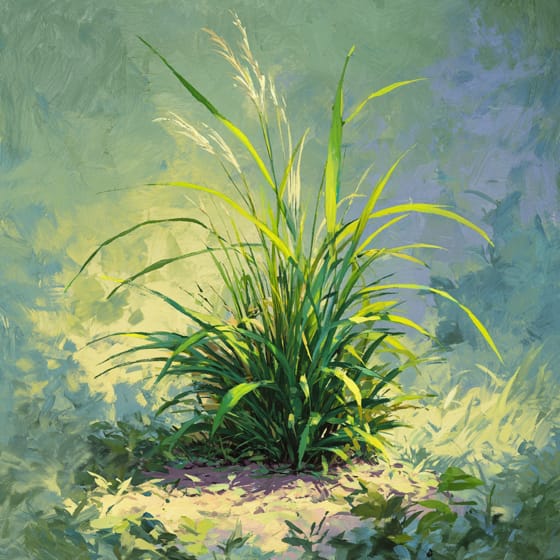
Poa pratensis
Las larvas se alimentan de las raíces de varias gramíneas.
Los animales solitarios viven solos durante la mayor parte de su vida y solo interactúan con otros para aparearse o cuidar de sus crías.
El camuflaje describe a los organismos que poseen colores o patrones que les permiten mezclarse con su entorno.
Colorido describe a organismos u objetos que exhiben una amplia variedad de colores brillantes y distintivos.
Este rasgo caracteriza a los organismos cuya dieta consiste total o principalmente en material vegetal.

Los hábitats boscosos son entornos terrestres dominados por una densa cubierta arbórea, que sustentan una gran diversidad de vida animal y vegetal.

Los animales diurnos están activos principalmente durante el día y suelen descansar o dormir por la noche.

Describe organismos que transfieren polen, permitiendo la fertilización y reproducción de las plantas.
Todavía no hay alias listados.
Peligro
1/5 · Muy bajo
Siempre mira pero no toques a los insectos a menos que un adulto diga que está bien.
La forma más fácil de identificar a Prosternon bombycinum es usar la aplicación de identificación de naturaleza Snappit.
18-35 mm
9-14 mm
30-90 días
Los adultos sorben néctar y savia, mientras que las larvas se alimentan de raíces de plantas subterráneas.
Bosques
Forrajeo
6
Acércate para separar los grupos y explorar dónde se ha fotografiado este objeto.
Los snaps recientes aparecerán aquí a medida que se añadan nuevas observaciones.
Llévate el descubrimiento
Haz una foto con Snappit, identifica la especie y guarda el hallazgo en tu colección.







.jpg&width=800)


