_Sabine_Woods_TX_2018-04-21_08-32-57_(28100602238).jpg&width=800)





Prothonotary Warbler
Protonotaria citrea
The Prothonotary Warbler is a small, bright yellow bird that loves to sing! It builds its nest in tree holes and can often be found near water. These cheerful birds are known for their beautiful songs.
Hábitat: Wetlands
The Prothonotary Warbler is a small, striking songbird with a brilliant golden-orange head and underparts contrasting sharply with olive-gray wings and a short, dark tail. Males are brighter, while females have slightly duller yellow plumage. It is often the only warbler with such intense golden color.
Categoría
AvesRareza
Common
Peligro
1/5 · Muy bajo
Snaps
¡Sé la primera persona en hacer un snap!
It gets its name from bright golden robes worn by medieval church officials. Wow!
Males sometimes build 'dummy' nests to impress females during courtship. Wow!
Their loud, ringing song is like a repetitive 'sweet-sweet-sweet-sweet' sound. Wow!
These tiny birds migrate thousands of miles each year to warmer climates. Wow!
Prothonotary Warbler can build nests inside old woodpecker holes or natural tree crevices because they are one of the few warblers to do so.
Prothonotary Warbler has strong feet that help them hop and climb through dense, watery vegetation to find food in swamps and flooded forests.
Prothonotary Warbler can dart and weave through trees with agility, using its sharp eyesight to snatch insects from leaves and bark.
These small birds primarily eat insects and spiders, helping control bug populations in wetlands.
Dryobates pubescens
Often uses abandoned cavities for nesting.
Pantherophis obsoletus
Predates on eggs and nestlings.
Accipiter cooperii
Hunts adult warblers in their habitat.
Malacosoma americanum
Preys on caterpillars found on leaves.
Describe a los animales, principalmente aves, que poseen una cubierta de plumas.
Los animales sociales viven en grupos organizados, cooperando para obtener beneficios de supervivencia como la búsqueda de alimento, la defensa y la cría de descendencia.
Los animales cantores producen vocalizaciones complejas, a menudo con el propósito de atraer parejas, defender el territorio o comunicarse dentro de su especie.
Colorido describe a organismos u objetos que exhiben una amplia variedad de colores brillantes y distintivos.

Este rasgo identifica a los organismos cuya dieta consiste principalmente en insectos y otros pequeños invertebrados.

Los hábitats boscosos son entornos terrestres dominados por una densa cubierta arbórea, que sustentan una gran diversidad de vida animal y vegetal.

Este rasgo de hábitat identifica especies que se encuentran en humedales, que son áreas de tierra saturadas de agua, ya sea permanente o estacionalmente, e incluyen marismas, pantanos y ciénagas.

Los animales diurnos están activos principalmente durante el día y suelen descansar o dormir por la noche.
Todavía no hay alias listados.
Peligro
1/5 · Muy bajo
Always watch birds from a distance and do not disturb their nests.
13-14 cm
21-23 cm
0.01-0.014 kg
2-5 años
40 km/h
These small birds primarily eat insects and spiders, helping control bug populations in wetlands.
Wetlands
Foraging
Acércate para separar los grupos y explorar dónde se ha fotografiado este objeto.
Los snaps recientes aparecerán aquí a medida que se añadan nuevas observaciones.
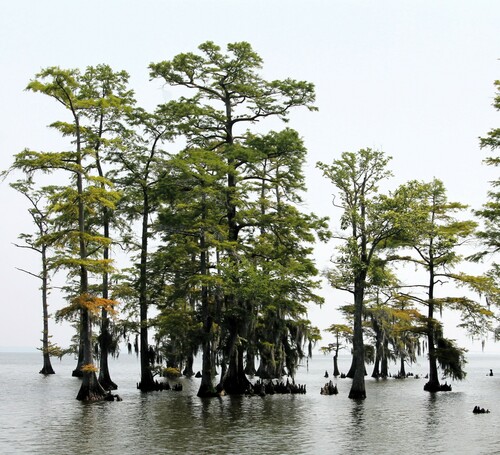
Tennessee, US
Puedes ver Cipreses Calvos, Plain-Bellied Watersnake y Water Tupelo.
Ver guía →

North Carolina, US
Puedes ver Cipreses Calvos, Southern Cricket Frog y Green Treefrog.
Ver guía →

Ontario, CA
Puedes ver Golondrina Común y Northern Yellow Warbler.
Ver guía →