





Rana catesbeiana
Rana catesbeiana
La rana toro americana es una rana grande y verde a la que le encanta saltar y emitir fuertes sonidos de croar. A menudo se les encuentra cerca de estanques y lagos, donde disfrutan nadando y cazando insectos.
Hábitat: Humedales
La Rana catesbeiana es un anfibio grande y robusto, típicamente de color verde oliva a marrón con manchas más oscuras. Tiene un distintivo tímpano externo grande detrás de cada ojo, especialmente prominente en los machos, y carece de pliegues dorsales, lo que la distingue de muchas otras ranas. Su vientre suele ser blanco o crema.
Categoría
AnfibiosRareza
Common
Peligro
1/5 · Muy bajo
Snaps
¡Sé la primera persona en hacer un snap!
¡La lengua de una rana toro es súper pegajosa y puede salir disparada increíblemente rápido!
¡Los renacuajos de rana toro pueden crecer tanto como una rana adulta antes de transformarse!
¡Algunas ranas toro hibernan profundamente bajo el agua, respirando a través de su piel!
¡Sus enormes ojos se meten hacia adentro cuando tragan, ayudando a empujar la comida hacia abajo!
La Rana catesbeiana puede saltar lejos para escapar del peligro o emboscar presas, utilizando potentes patas traseras para impulsarse.
La Rana catesbeiana tiene una boca enorme que le permite tragar casi cualquier animal que pueda atrapar entero.
La Rana catesbeiana puede emitir un canto profundo y ruidoso de 'jug-o-rum' que viaja largas distancias para atraer parejas.
La Rana catesbeiana tiene grandes tímpanos que le ayudan a escuchar sonidos tanto por encima como por debajo del agua.
Un depredador grande y oportunista que come casi cualquier animal que pueda caber en su gran boca.
Diferencias por edad: Los renacuajos comen algas y detritos, mientras que los adultos son carnívoros estrictos.
Ardea herodias
Las garzas cazan ranas toro adultas y juveniles.
Micropterus salmoides
Las lubinas depredan renacuajos y ranitas de rana toro.
Thamnophis sirtalis
Las ranas toro pueden comer culebras de liga más pequeñas.
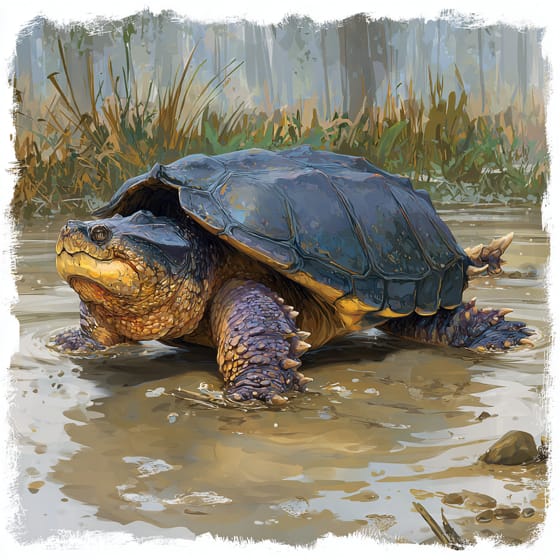
Chelydra serpentina
Las tortugas mordedoras son depredadores de ranas toro adultas.
Se caracteriza por tener los dedos conectados por una membrana, lo que generalmente ayuda a nadar.
Los animales solitarios viven solos durante la mayor parte de su vida y solo interactúan con otros para aparearse o cuidar de sus crías.
Colorido describe a organismos u objetos que exhiben una amplia variedad de colores brillantes y distintivos.
Este rasgo identifica a los organismos cuya dieta consiste principalmente en insectos y otros pequeños invertebrados.

Los organismos piscívoros son animales que subsisten principalmente de una dieta a base de peces.

Este rasgo de hábitat identifica especies que se encuentran en humedales, que son áreas de tierra saturadas de agua, ya sea permanente o estacionalmente, e incluyen marismas, pantanos y ciénagas.

Este rasgo caracteriza a los organismos con una esperanza de vida excepcionalmente larga en comparación con otros de su especie.

Los hábitats de agua dulce incluyen entornos acuáticos no salinos como ríos, lagos, estanques y humedales, vitales para numerosas especies.

Este rasgo identifica a los organismos cuya dieta consiste total o principalmente en tejido animal.

Los animales diurnos están activos principalmente durante el día y suelen descansar o dormir por la noche.

Este rasgo identifica a los organismos que exhiben una rapidez excepcional en sus movimientos para cazar, escapar o desplazarse.
Peligro
1/5 · Muy bajo
No toques las ranas a menos que tengas permiso, ya que algunas pueden ser resbaladizas y no gustarles que las cojan.
La forma más fácil de identificar a Rana catesbeiana es usar la aplicación de identificación de naturaleza Snappit.
9-20 cm
0.1-0.75 kg
7-10 años
15 km/h
Un depredador grande y oportunista que come casi cualquier animal que pueda caber en su gran boca.
Humedales
Emboscada
Acércate para separar los grupos y explorar dónde se ha fotografiado este objeto.
Los snaps recientes aparecerán aquí a medida que se añadan nuevas observaciones.
Llévate el descubrimiento
Haz una foto con Snappit, identifica la especie y guarda el hallazgo en tu colección.








.JPG&width=800)



.jpg&width=800)
