






Red-Banded Hairstreak
calycopis cecrops
The Red-Banded Hairstreak is a beautiful butterfly with striking red stripes on its wings. It loves to flutter around flowers, sipping sweet nectar during sunny days!
Hábitat: Gardens, meadows, and open woodlands
The Red-Banded Hairstreak is a small butterfly with dark, often brownish-gray upperwings and a striking dark gray underside. Its hindwings feature a vibrant reddish-orange band and delicate, hair-like tails that help distinguish it from other butterflies.
Categoría
InsectosRareza
Common
Peligro
0/5 · Sin peligro conocido
Snaps
¡Sé la primera persona en hacer un snap!
Adults sip nectar using a long, straw-like tongue called a proboscis!
Its caterpillars wear tiny "head-caps" that they shed and sometimes eat!
Sometimes these tiny butterflies will perch upside down to hide from birds.
The red band on its wings warns some predators that it might taste bad.
Red-Banded Hairstreak has dull undersides with intricate patterns that help them blend seamlessly into their surroundings when resting.
Red-Banded Hairstreak can fly with quick, erratic movements that make it incredibly hard for predators to catch them.
Adults drink flower nectar, while caterpillars munch on specific plant leaves.
Diferencias por edad: Larvae eat plant leaves, while adults drink nectar from flowers.
Rhus copallina
Caterpillars feed on its leaves for growth and development.
Cyanocitta cristata
A common bird predator that preys on butterflies.

Asclepias syriaca
Adults visit flowers to drink nectar, aiding in pollination.
Los animales sociales viven en grupos organizados, cooperando para obtener beneficios de supervivencia como la búsqueda de alimento, la defensa y la cría de descendencia.
Los animales arborícolas viven principalmente en los árboles, utilizándolos como refugio, alimento y protección contra los depredadores.
Colorido describe a organismos u objetos que exhiben una amplia variedad de colores brillantes y distintivos.
Los animales diurnos están activos principalmente durante el día y suelen descansar o dormir por la noche.

Describe organismos que transfieren polen, permitiendo la fertilización y reproducción de las plantas.
Peligro
0/5 · Sin peligro conocido
Todavía no hay notas especiales de seguridad.
25-38 mm
10-15 mm
7-14 días
10-15 km/h
Adults drink flower nectar, while caterpillars munch on specific plant leaves.
Gardens, meadows, and open woodlands
Foraging
6
Acércate para separar los grupos y explorar dónde se ha fotografiado este objeto.
Los snaps recientes aparecerán aquí a medida que se añadan nuevas observaciones.
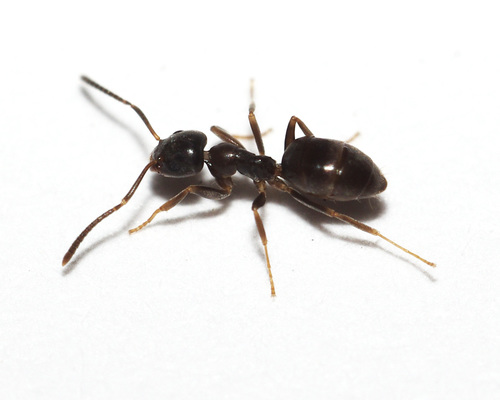
Virginia, US
Puedes ver Hormiga Casera Olorosa y Willow Leaf Beetle.
Ver guía →

Connecticut, US
Puedes ver Monarch, Common Milkweed y Common Blue Violet.
Ver guía →
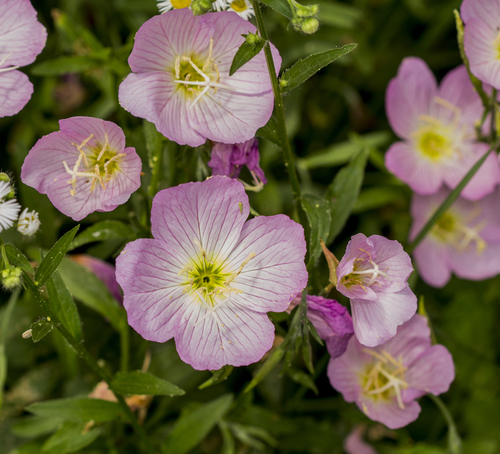
Virginia, US
Puedes ver Pinkladies, Hickories y Japanese Aucuba.
Ver guía →










%2C_Fort_du_Loc%27h%2C_Guidel%2C_Brittany%2C_France_(19900725286)_(cropped).jpg&width=800)




