






red baneberry
Actaea rubra
Red baneberry is a plant with bright red berries that look like little jewels! It grows in shady places and is often found in forests. The berries are pretty but should not be eaten.
Hábitat: Forests
The red baneberry is an erect plant with sharply toothed, compound leaves. It features bottlebrush-like clusters of small, fuzzy white flowers in spring. Its most striking feature is the clusters of glossy, bright red berries, each with a distinctive black dot, making them resemble tiny doll's eyes.
Categoría
PlantasRareza
Common
Peligro
4/5 · Alto
Snaps
¡Sé la primera persona en hacer un snap!
Before the berries appear, this plant has fluffy white flowers that look like tiny bottle brushes!
Its bright red berries look like tiny doll's eyes, even having a black 'pupil' dot!
Underground, it has roots that spread out to help it pop up in new spots year after year!
While toxic to humans, many birds can safely gobble up its berries for a tasty snack!
Red baneberry has bright red berries that attract birds, helping it spread its seeds far and wide to new locations.
Red baneberry's leaves and berries contain toxic compounds that protect it from most animals trying to eat them.
Red baneberry has strong underground rhizomes that allow it to spread and form new plants, even after harsh winters.
Turdus migratorius
Robins consume its berries for food.
Bombycilla cedrorum
Waxwings feast on its ripe fruits.
Bombus impatiens
Bees collect nectar from its flowers.
Las plantas caducifolias pierden periódicamente todas sus hojas, por lo general durante el otoño o las estaciones secas.
Las plantas con flores son cualquier planta que produce flores como parte de su ciclo reproductivo.
Un arbusto es una planta leñosa más pequeña que un árbol, típicamente con múltiples tallos que se ramifican desde o cerca del suelo.
Las plantas tolerantes a la sombra están adaptadas para crecer y prosperar en áreas con bajos niveles de luz, requiriendo menos luz solar directa.

Las plantas frutales producen frutos, que son los ovarios maduros de las plantas con flores que contienen semillas.

Colorido describe a organismos u objetos que exhiben una amplia variedad de colores brillantes y distintivos.

Los hábitats boscosos son entornos terrestres dominados por una densa cubierta arbórea, que sustentan una gran diversidad de vida animal y vegetal.

Los organismos tóxicos contienen sustancias que son venenosas y pueden causar efectos adversos al estar expuestos a ellas.

Los organismos venenosos producen toxinas que pueden causar daño si se ingieren, inhalan o absorben por contacto.
Peligro
4/5 · Alto
Do not touch or eat the berries, as they can be harmful.
30-90 cm
30-60 cm
0.5-1 cm
Primavera
No
Alta
Perenne
Insectos
Acércate para separar los grupos y explorar dónde se ha fotografiado este objeto.
Los snaps recientes aparecerán aquí a medida que se añadan nuevas observaciones.

Louisiana, US
Puedes ver Sharp-Lobed Hepatica y Purple-Flowered Raspberry.
Ver guía →
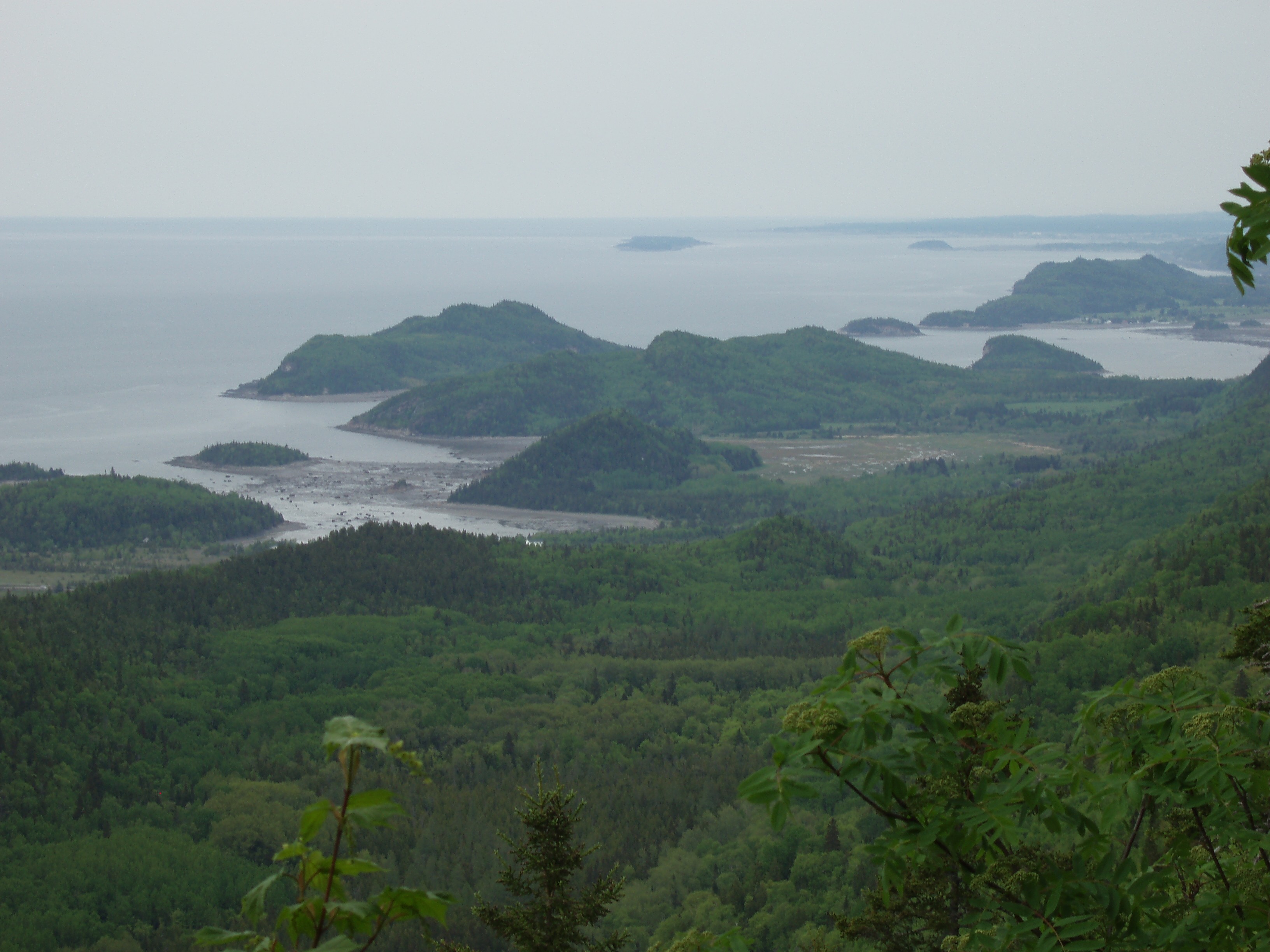
Québec, CA
Puedes ver Ciervo De Cola Blanca, Foca Común y Common Eider.
Ver guía →
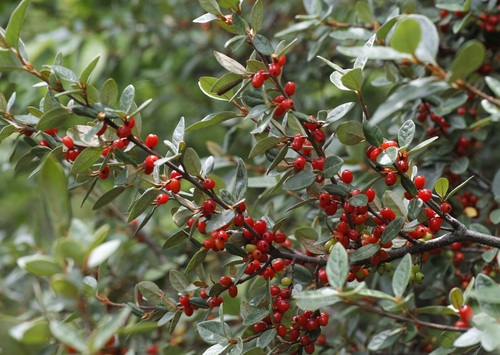
British Columbia, CA
Puedes ver Canadian Buffalo-Berry, Oregon Boxwood y Pacific Trillium.
Ver guía →
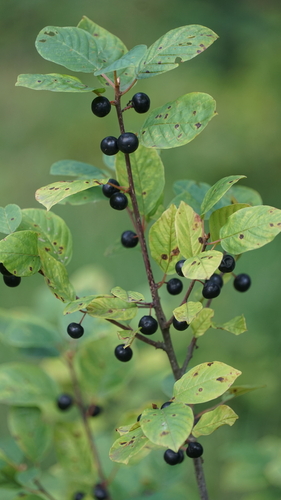
Michigan, US
Puedes ver Alder Buckthorn, Bulblet Fern y Western Poison Ivy.
Ver guía →
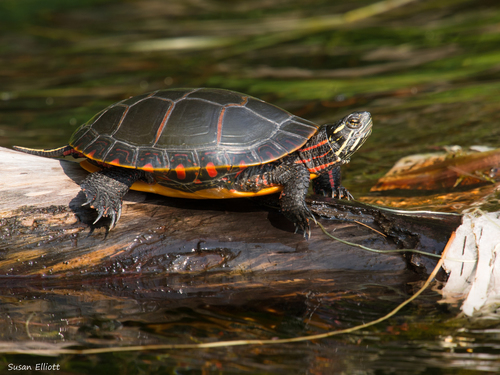
British Columbia, CA
Puedes ver Tortuga Pintada, Solomon's Plume y Saskatoon.
Ver guía →

Washington, US
Puedes ver Evergreen Huckleberry, Barrow's Goldeneye y Yellow Shore Crab.
Ver guía →

















