
.jpg&width=800)





red-berried elder
Sambucus racemosa
The red-berried elder is a bushy plant with bright red berries. It grows in many places and is loved by birds who eat its tasty fruits!
Hábitat: Forests
The red-berried elder has prominent upright clusters of small, bright red berries that ripen in summer. Its small, creamy-white flowers grow in dense, conical or pyramid-shaped clusters. The large, green leaves are made of several pointed leaflets.
Categoría
PlantasRareza
Common
Peligro
3/5 · Moderado
Snaps
¡Sé la primera persona en hacer un snap!
Elderberry wood is hollow, making it perfect for crafting traditional flutes!
Native American tribes traditionally used elderberry bark to make a dark black dye!
Some birds love these berries so much they can turn their droppings bright red!
This plant's quick growth helps it pop up rapidly after forest fires!
Red-berried elder has bright red, upright berry clusters that help it attract birds for efficient seed dispersal.
Red-berried elder can withstand cold winters because it is deciduous, dropping leaves to conserve energy.
Red-berried elder can grow very quickly, helping it fill in open spaces after forest disturbances.
Turdus migratorius
eats ripe berries
Ursus americanus
consumes the fruit
Apis mellifera
visits flowers for nectar
Peromyscus maniculatus
uses dense shrubs for cover
Las plantas caducifolias pierden periódicamente todas sus hojas, por lo general durante el otoño o las estaciones secas.
Un arbusto es una planta leñosa más pequeña que un árbol, típicamente con múltiples tallos que se ramifican desde o cerca del suelo.
Las plantas frutales producen frutos, que son los ovarios maduros de las plantas con flores que contienen semillas.
Las plantas medicinales poseen compuestos químicos que pueden utilizarse con fines terapéuticos para tratar enfermedades o mantener la salud.

Las plantas comestibles son aquellas partes de una planta que se consideran seguras para el consumo humano.

Describe plantas que son particularmente atractivas y beneficiosas para una amplia variedad de organismos polinizadores.

Los hábitats boscosos son entornos terrestres dominados por una densa cubierta arbórea, que sustentan una gran diversidad de vida animal y vegetal.
Peligro
3/5 · Moderado
Do not eat the berries without asking an adult, as some parts of the plant can be harmful.
200-600 cm
150-400 cm
0.3-0.5 cm
Late spring to early summer
No
Moderada
Perenne
Insectos
Acércate para separar los grupos y explorar dónde se ha fotografiado este objeto.
Los snaps recientes aparecerán aquí a medida que se añadan nuevas observaciones.
.jpg)
Pennsylvania, US
Puedes ver Mariposa Almirante y Allegheny Mountain Dusky Salamander.
Ver guía →
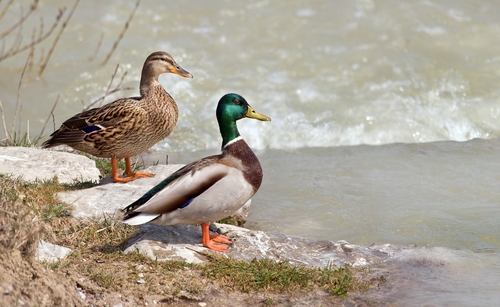
Michigan, US
Puedes ver Pato, Jack-In-The-Pulpit y Mayapple.
Ver guía →
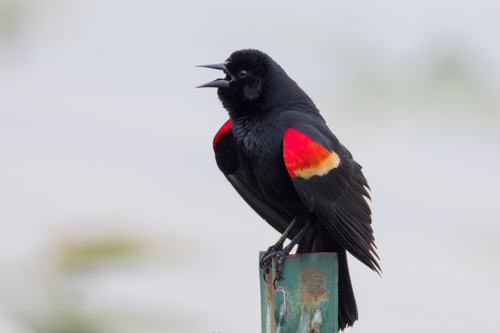
British Columbia, CA
Puedes ver Tordo Sargento, Golondrina Bicolor y Garza Azulada.
Ver guía →

British Columbia, CA
Puedes ver águila Calva, Ghost Pipe y Salmonberry.
Ver guía →

British Columbia, CA
Puedes ver Western Skunk Cabbage, Devil's Club y Pacific Ninebark.
Ver guía →
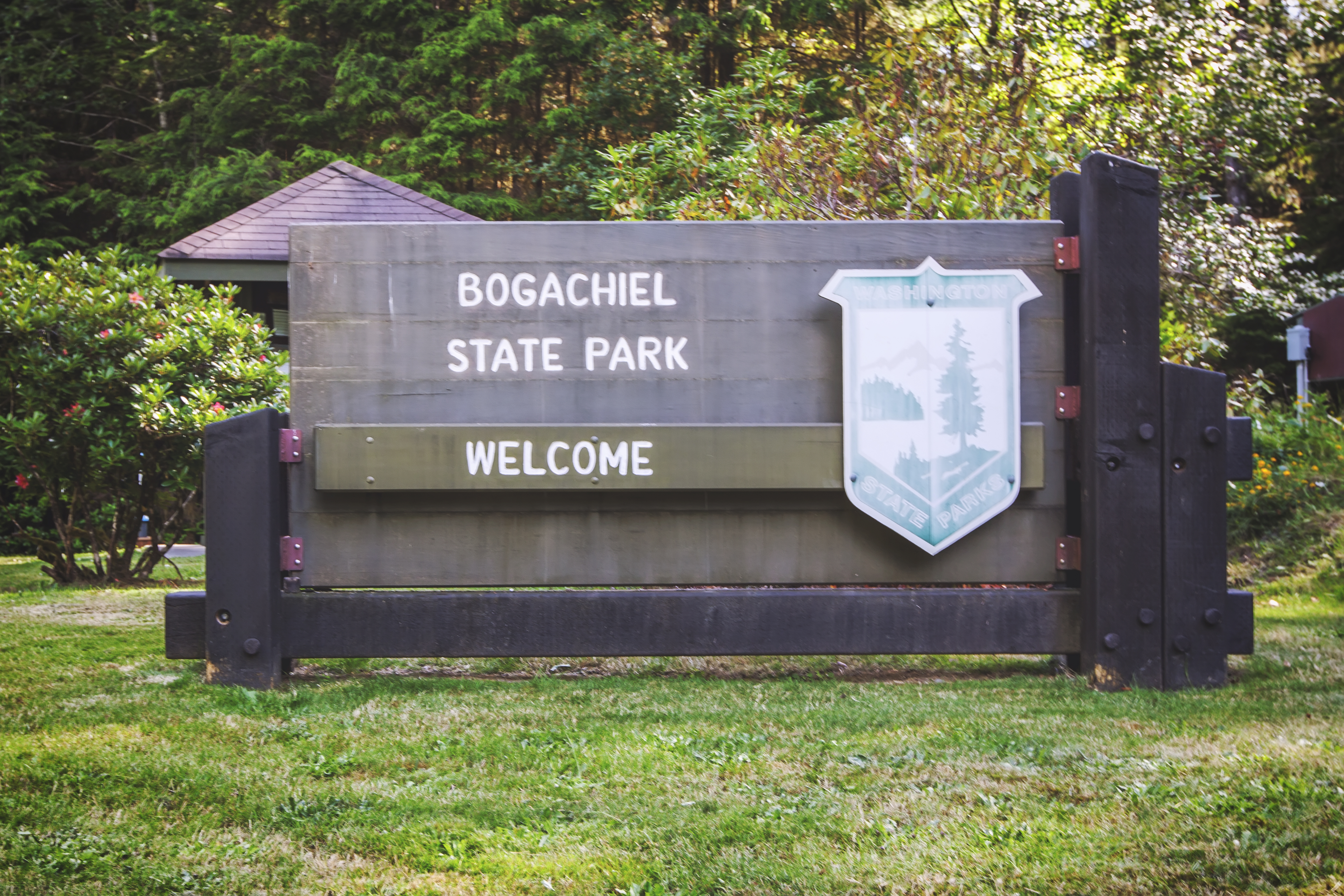
Washington, US
Puedes ver Babosa Banana, Black Slug y Salmonberry.
Ver guía →







_Malva_parviflora_-_Habitus.jpg&width=800)







