Red Mulberry
morus rubra
The Red Mulberry tree has large, heart-shaped leaves and produces sweet berries that many animals love to eat! It's a great tree to find in forests and parks, especially when the berries are ripe and ready for picking.
Hábitat: It thrives in rich, moist soils in forests, floodplains, and along riverbanks.
The Red Mulberry is a medium-sized tree with large, dark green leaves that are often unlobed, lobed, or mitten-shaped. Its bark is reddish-brown, scaly, and ridged. The tree produces elongated, dark red to purplish-black berry-like fruits that resemble blackberries.
Categoría
PlantasRareza
Common
Peligro
0/5 · Sin peligro conocido
Snaps
¡Sé la primera persona en hacer un snap!
Berries ripen from green to white, then red, finally turning dark purple and sweet!
Its strong, durable wood was once used for fence posts, furniture, and other sturdy creations!
Red Mulberries can live over 125 years, often growing taller than a four-story building!
The milky sap from broken twigs was used by indigenous people to treat skin ailments!
Red Mulberry has highly variable leaf shapes, from simple ovate to deeply lobed, helping it adapt to different light conditions.
Red Mulberry can grow quickly, helping it establish itself rapidly in disturbed forest gaps and clearings.
Red Mulberry produces abundant, sweet fruits that provide crucial food for many birds and mammals, aiding its seed dispersal.
Red Mulberry develops a deep root system that helps it withstand droughts and anchor firmly in floodplain habitats.
Turdus migratorius
eats berries, aids seed dispersal
Didelphis virginiana
eats berries, aids seed dispersal
Sciurus carolinensis
eats berries, aids seed dispersal
Glomus intraradices
enhances nutrient uptake for the tree
Los animales sociales viven en grupos organizados, cooperando para obtener beneficios de supervivencia como la búsqueda de alimento, la defensa y la cría de descendencia.
Colorido describe a organismos u objetos que exhiben una amplia variedad de colores brillantes y distintivos.
Este rasgo caracteriza a los organismos cuya dieta consiste total o principalmente en material vegetal.
Los hábitats boscosos son entornos terrestres dominados por una densa cubierta arbórea, que sustentan una gran diversidad de vida animal y vegetal.

Los animales diurnos están activos principalmente durante el día y suelen descansar o dormir por la noche.
Peligro
0/5 · Sin peligro conocido
Todavía no hay notas especiales de seguridad.
1000-2000 cm
800-1500 cm
0.5-1.5 cm
Primavera
Sí
Leve
Perenne
Viento
Acércate para separar los grupos y explorar dónde se ha fotografiado este objeto.
Los snaps recientes aparecerán aquí a medida que se añadan nuevas observaciones.

New York, US
Puedes ver Common Dandelion, Red Deadnettle y Broad-Leaved Dock.
Ver guía →
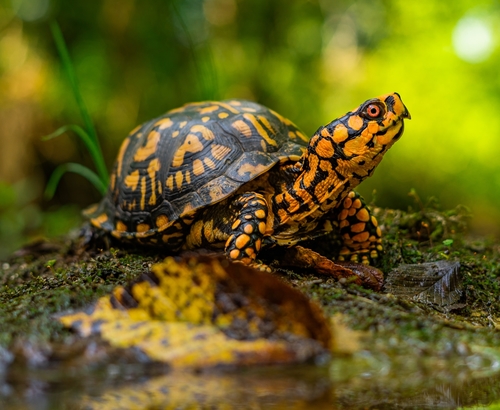
Virginia, US
Puedes ver Tortuga De Caja Oriental, Sicómoro y Grape Family.
Ver guía →
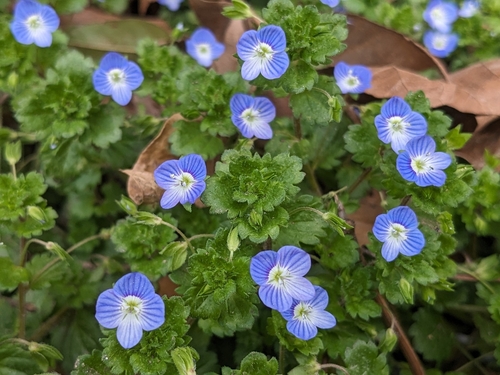
Virginia, US
Puedes ver Bird's-Eye Speedwell, Mulberries y Hairy-Headed Acrobat Ant.
Ver guía →
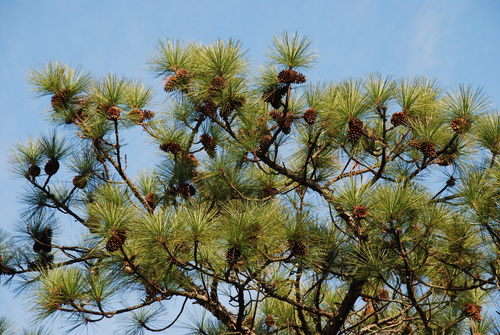
Virginia, US
Puedes ver Pines, Common Milkweed y Sweetbay Magnolia.
Ver guía →
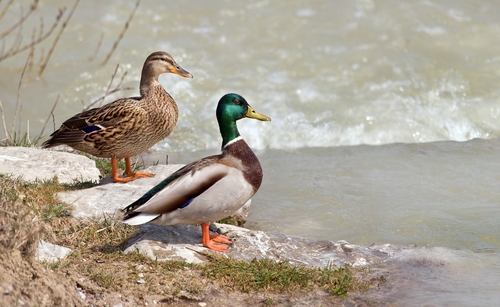
Massachusetts, US
Puedes ver Pato, Ring-Necked Duck y American Pokeweed.
Ver guía →
New York, US
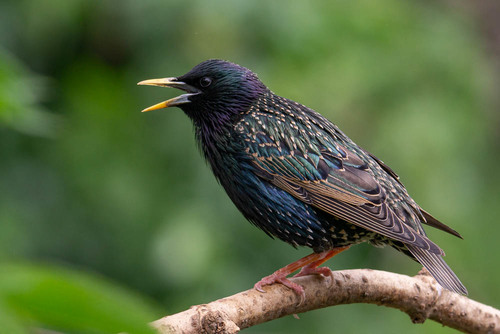
Puedes ver Estornino Europeo, Henbit Deadnettle y Red Deadnettle.
Ver guía →