





Rhaphiolepis
rhaphiolepis
¡La Rhaphiolepis es una hermosa planta con flores que puede alegrar cualquier jardín! Sus hermosas flores atraen a mariposas y abejas, convirtiéndolo en un lugar divertido para que los niños exploren la naturaleza.
Hábitat: La Rhaphiolepis suele crecer en jardines, parques y paisajes naturales.
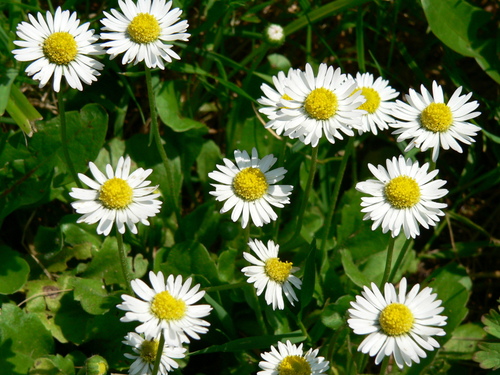
La Rhaphiolepis tiene hojas brillantes, de color verde oscuro y coriáceas, a menudo con bordes dentados. Produce racimos de flores pequeñas, fragantes y en forma de estrella, típicamente blancas o rosadas, seguidas de pequeñas bayas de color azul oscuro a negro. Su denso follaje perenne proporciona color durante todo el año.
Categoría
PlantasRareza
Common
Peligro
0/5 · Sin peligro conocido
Snaps
¡Sé la primera persona en hacer un snap!
¡Sus deliciosas bayas son un bocadillo favorito para muchas aves diferentes!
¡Las nuevas hojas de Rhaphiolepis a menudo emergen con un hermoso tinte rojizo-bronceado!
¡Las flores de la planta desprenden un dulce perfume que atrae a las abejas zumbadoras!
¡Esta asombrosa planta puede vivir varias décadas!
La Rhaphiolepis tiene hojas duras y coriáceas que minimizan la pérdida de agua, ayudándola a sobrevivir períodos secos con menos agua.
La Rhaphiolepis puede prosperar en zonas costeras porque sus raíces y follaje toleran suelos salinos y la brisa marina.
La Rhaphiolepis mantiene sus hojas todo el año, permitiéndole realizar la fotosíntesis incluso durante las estaciones más frías.
Apis mellifera
visita sus fragantes flores en busca de néctar y polen
Turdus migratorius
se deleita con las pequeñas bayas oscuras
Passer domesticus
a menudo anida dentro de su denso y protector follaje
Los animales sociales viven en grupos organizados, cooperando para obtener beneficios de supervivencia como la búsqueda de alimento, la defensa y la cría de descendencia.
Colorido describe a organismos u objetos que exhiben una amplia variedad de colores brillantes y distintivos.
Este rasgo caracteriza a los organismos cuya dieta consiste total o principalmente en material vegetal.
Los hábitats boscosos son entornos terrestres dominados por una densa cubierta arbórea, que sustentan una gran diversidad de vida animal y vegetal.

Describe organismos que transfieren polen, permitiendo la fertilización y reproducción de las plantas.
Peligro
0/5 · Sin peligro conocido
Todavía no hay notas especiales de seguridad.
La forma más fácil de identificar a Rhaphiolepis es usar la aplicación de identificación de naturaleza Snappit.
100-200 cm
100-200 cm
1-2 cm
Late Winter to Spring
Sí
Ninguna
Perenne
Acércate para separar los grupos y explorar dónde se ha fotografiado este objeto.
Los snaps recientes aparecerán aquí a medida que se añadan nuevas observaciones.
Llévate el descubrimiento
Haz una foto con Snappit, identifica la especie y guarda el hallazgo en tu colección.








.jpg&width=800)



_001.jpg&width=800)




