





Rhopobota
Rhopobota
Rhopobota es un pequeño insecto colorido al que le encanta esconderse entre las hojas. Tiene una forma única y se puede encontrar en jardines y bosques, ¡lo que lo convierte en un divertido amiguito para descubrir!
Hábitat: Bosques
La Rhopobota es una pequeña polilla, que típicamente muestra patrones moteados de marrón, gris o marrón rojizo en sus alas anteriores. Sus alas a menudo tienen tenues bandas o motas, lo que le ayuda a camuflarse perfectamente con la corteza o las hojas secas.
Categoría
InsectosRareza
Common
Peligro
1/5 · Muy bajo
Snaps
¡Sé la primera persona en hacer un snap!
¡Una polilla Rhopobota tiene diminutas escamas en sus alas que se desprenden como polvo si las tocas!
¡Antes de convertirse en polilla, la Rhopobota pasa tiempo como oruga escondida dentro de una hoja enrollada!
¡A pesar de su pequeño tamaño, las polillas Rhopobota usan su excelente sentido del olfato para encontrar plantas!
¡Algunas larvas de Rhopobota descienden de las plantas en hilos de seda como pequeños saltadores de puenting!
Las larvas de Rhopobota pueden enrollar y unir hojas con seda para crear un refugio protector porque las esconde de los depredadores.
Los adultos de Rhopobota tienen patrones de alas moteados que les ayudan a mimetizarse perfectamente con la corteza de los árboles o el follaje seco para evitar ser vistos.
Rhopobota puede liberar olores especiales llamados feromonas para encontrar parejas a largas distancias porque asegura una reproducción exitosa.
Pequeños herbívoros cuando son jóvenes, pero los adultos en su mayoría no comen o sorben néctar.
Diferencias por edad: Las larvas consumen hojas de plantas, mientras que los adultos principalmente sorben néctar o no se alimentan.
%2C_Parc_de_Woluw%C3%A9%2C_Brussels_(13042792905).jpg&width=800)
Parus major
Las aves depredan larvas y polillas adultas.
Myotis lucifugus
Los murciélagos cazan polillas voladoras por la noche.
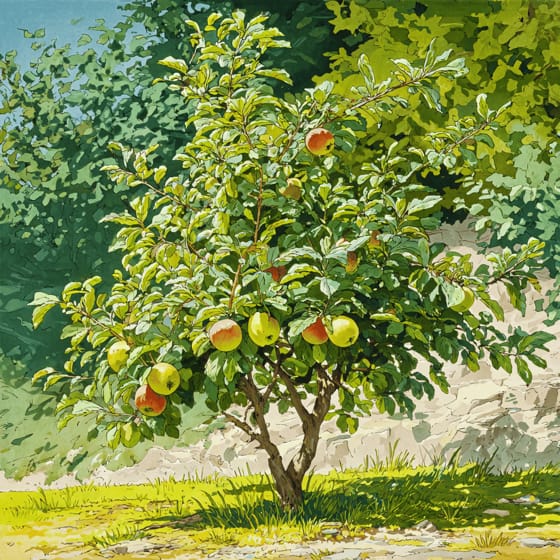
Malus domestica
Las larvas se alimentan de hojas de manzano.
Vaccinium corymbosum
Las larvas se alimentan de hojas de arándano.
Los animales solitarios viven solos durante la mayor parte de su vida y solo interactúan con otros para aparearse o cuidar de sus crías.
El camuflaje describe a los organismos que poseen colores o patrones que les permiten mezclarse con su entorno.
Colorido describe a organismos u objetos que exhiben una amplia variedad de colores brillantes y distintivos.
Este rasgo caracteriza a los organismos cuya dieta consiste total o principalmente en material vegetal.

Describe plantas que son particularmente atractivas y beneficiosas para una amplia variedad de organismos polinizadores.

Los hábitats boscosos son entornos terrestres dominados por una densa cubierta arbórea, que sustentan una gran diversidad de vida animal y vegetal.

Los animales diurnos están activos principalmente durante el día y suelen descansar o dormir por la noche.

Relativo a especies que son significativamente más pequeñas que lo típico o promedio de su tipo.

Describe organismos que transfieren polen, permitiendo la fertilización y reproducción de las plantas.
Todavía no hay alias listados.
Peligro
1/5 · Muy bajo
Observa siempre pero no toques los insectos, ya que pueden ser delicados.
La forma más fácil de identificar a Rhopobota es usar la aplicación de identificación de naturaleza Snappit.
10-18 mm
5-10 mm
7-14 días
Pequeños herbívoros cuando son jóvenes, pero los adultos en su mayoría no comen o sorben néctar.
Bosques
Forrajeo
6
Acércate para separar los grupos y explorar dónde se ha fotografiado este objeto.
Los snaps recientes aparecerán aquí a medida que se añadan nuevas observaciones.
Llévate el descubrimiento
Haz una foto con Snappit, identifica la especie y guarda el hallazgo en tu colección.







.jpg&width=800)


