


rock polypody
Polypodium virginianum
Rock polypody is a small, green fern that loves to grow on rocks and in shady places. Its delicate leaves look like little feathers and can be found in many forests and hills.
Hábitat: Forests
The rock polypody has shiny, leathery, evergreen fronds typically 10-30 cm long, divided into many rounded leaflets. Its bright green leaves stand out against the grey rocks and tree trunks it often clings to.
Categoría
PlantasRareza
Common
Peligro
1/5 · Muy bajo
Snaps
¡Sé la primera persona en hacer un snap!
Its common name, "polypody," means "many feet" because its roots spread widely.
People have used parts of this fern for hundreds of years to make traditional medicines.
Rock polypody fronds stay green all winter long, even under a blanket of snow!
This fern reproduces by tiny spores that look like brown dots on the underside of its leaves!
Rock polypody can grow directly on rocks and tree bark, using strong rhizomes to cling firmly even in harsh conditions.
It has special fronds that can absorb water directly from the air, helping it survive dry spells on exposed surfaces.
The plant's rhizomes taste sweet, acting as a natural antifreeze that helps it endure freezing winter temperatures.
Odocoileus virginianus
Deer might browse its fronds, but it's not a main food source.
Formica fusca
Ants can shelter under its dense fronds, especially on rocks.
Hypnum cupressiforme
This moss often grows closely alongside the fern on rocky surfaces.
Las plantas tolerantes a la sombra están adaptadas para crecer y prosperar en áreas con bajos niveles de luz, requiriendo menos luz solar directa.
Las plantas de hoja perenne conservan su follaje durante todo el año, sin perder nunca todas sus hojas a la vez.
Los organismos que producen esporas se reproducen liberando unidades reproductivas pequeñas, a menudo unicelulares, llamadas esporas.
Los hábitats boscosos son entornos terrestres dominados por una densa cubierta arbórea, que sustentan una gran diversidad de vida animal y vegetal.

Describe a los organismos que descomponen la materia orgánica muerta, reciclando los nutrientes de vuelta al ecosistema.

Este rasgo caracteriza a los organismos con una esperanza de vida excepcionalmente larga en comparación con otros de su especie.
Todavía no hay alias listados.
Peligro
1/5 · Muy bajo
Always be gentle with plants and don’t pull them out of the ground.
10-30 cm
15-40 cm
Sí
Ninguna
Perenne
Forests
Acércate para separar los grupos y explorar dónde se ha fotografiado este objeto.
Los snaps recientes aparecerán aquí a medida que se añadan nuevas observaciones.

Virginia, US
Puedes ver Kiwi Bubbles, Common Pawpaw y Eastern Skunk Cabbage.
Ver guía →

Wisconsin, US
Puedes ver Partridgeberry, Bluebead Lily y Cinnamon Fern.
Ver guía →

Maryland, US
Puedes ver Large Whorled Pogonia, Pink Lady's Slipper y Castaño Americano.
Ver guía →
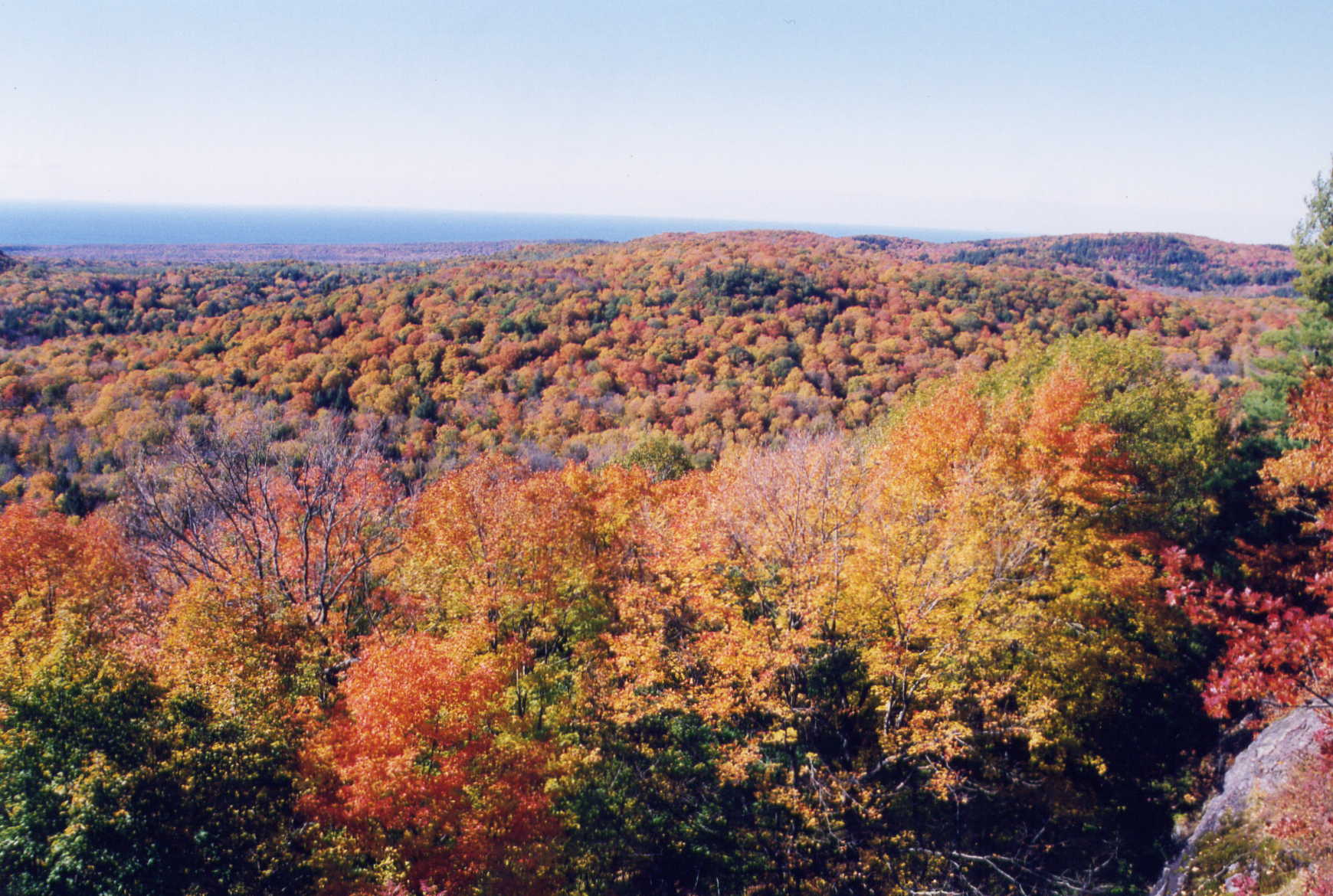
Michigan, US
Puedes ver Tree Lungwort, Shining Firmoss y Sapo Americano.
Ver guía →

South Dakota, US
Puedes ver Brittle Pricklypear, Eastern Redcedar y Common Cowparsnip.
Ver guía →