Rocky Mountain maple
Acer glabrum
The Rocky Mountain maple is a small tree with beautiful leaves that change colors in the fall. It grows in the mountains and provides shade and food for many animals.
Hábitat: Mountain regions
The Rocky Mountain maple is a small tree or multi-stemmed shrub with smooth, reddish-brown to gray bark. Its deeply lobed, bright green leaves resemble currant leaves and turn vibrant yellow, orange, or red in autumn. Small, yellowish-green flowers bloom before its distinctive paired 'helicopter' seeds appear.
Categoría
PlantasRareza
Common
Peligro
1/5 · Muy bajo
Snaps
¡Sé la primera persona en hacer un snap!
High in the mountains, this tough maple often grows like a shrub, not a tall tree!
Its 'helicopter seeds' spin as they fall, letting them fly far from the parent tree!
Some Indigenous peoples used its strong wood to craft tools and bows.
Wild animals like deer and elk munch on its tasty twigs and leaves!
Rocky Mountain maple has winged seeds that spin like tiny helicopters to travel far in the wind.
This maple can thrive in high mountain elevations where many other tree species struggle to grow.
Its smooth, thick bark helps protect the tree from harsh sun and temperature changes.
Odocoileus hemionus
browses on young leaves and twigs
Cervus canadensis
relies on its foliage during winter

Sciurus aberti
cracks open its samara seeds for food
Las plantas caducifolias pierden periódicamente todas sus hojas, por lo general durante el otoño o las estaciones secas.
Las plantas tolerantes a la sombra están adaptadas para crecer y prosperar en áreas con bajos niveles de luz, requiriendo menos luz solar directa.
Las plantas frutales producen frutos, que son los ovarios maduros de las plantas con flores que contienen semillas.
Los árboles de hoja ancha son angiospermas caracterizadas por hojas planas y anchas que típicamente se caen anualmente en climas templados.

Los colores otoñales se refieren al cambio estacional en la pigmentación del follaje, principalmente en plantas de hoja caduca, mostrando tonos vibrantes.

Las plantas comestibles son aquellas partes de una planta que se consideran seguras para el consumo humano.

Este rasgo de hábitat identifica a las especies que se encuentran en regiones montañosas, caracterizadas por su gran altitud, pendientes pronunciadas y zonas climáticas variables.
Todavía no hay alias listados.
Peligro
1/5 · Muy bajo
Be careful not to climb too high in trees, and always ask an adult for help.
300-900 cm
200-600 cm
0.5-1 cm
Primavera
No
Ninguna
Perenne
Viento
Acércate para separar los grupos y explorar dónde se ha fotografiado este objeto.
Los snaps recientes aparecerán aquí a medida que se añadan nuevas observaciones.

British Columbia, CA
Puedes ver Oregon Grape, Common Snowberry y Black Locust.
Ver guía →

British Columbia, CA
Puedes ver Shinyleaf Meadowsweet, Northern Checkerspot y Fireweed.
Ver guía →

British Columbia, CA
Puedes ver Abeto De Douglas, Silverleaf Phacelia y Rocky Mountain Maple.
Ver guía →
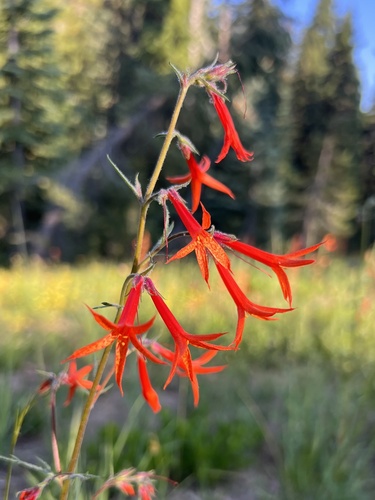
British Columbia, CA
Puedes ver Scarlet Gilia, Great Blanketflower y Solomon's Plume.
Ver guía →
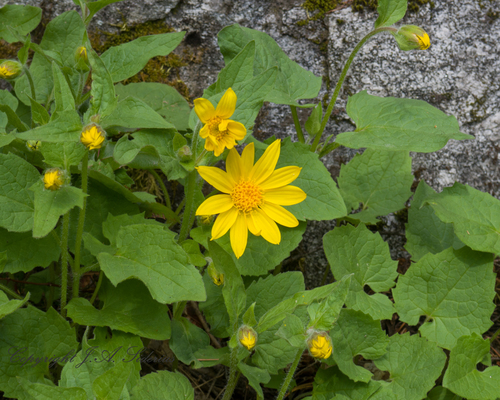
British Columbia, CA
Puedes ver Heartleaf Arnica, Abeto De Douglas y Oregon Grape.
Ver guía →

British Columbia, CA
Puedes ver Thimbleberry, Canadian Buffalo-Berry y Oregon Grape.
Ver guía →




.jpg&width=800)